Dorset
Art, History & Archaeology Sites & Museums
Temporary Exhibition
Red House Museum & Gardens, Christchurch
Becoming Roman - Silchester a town of change
20 July - 1 September 2024
50 years on from the start of excavations by the University of Reading to uncover the secrets of the important archaeological site at Silchester, visitors to Becoming Roman – Silchester, a Town of Change, will be transported back 2000 years to discover what life was like for the Atrebates, and how it changed with the Roman Conquest of Britain.
Archaeology & History Sites in Dorset
Clouds Hill
T.E Lawrence, often better known as Lawrence of Arabia, bought Clouds Hill after his adventures in the Middle East, at a time when he was looking for an escape from his unwanted fame. A tiny cottage of just four rooms, here he lived a life of material austerity, focusing on his writing, conversation and music. Set in wild heathland and next to the road on which he died, the house is now owned by the National Trust and open to visitors over the warmer months. An unusual property that gives a glimpse into the mind of this complex man.


Corfe Castle
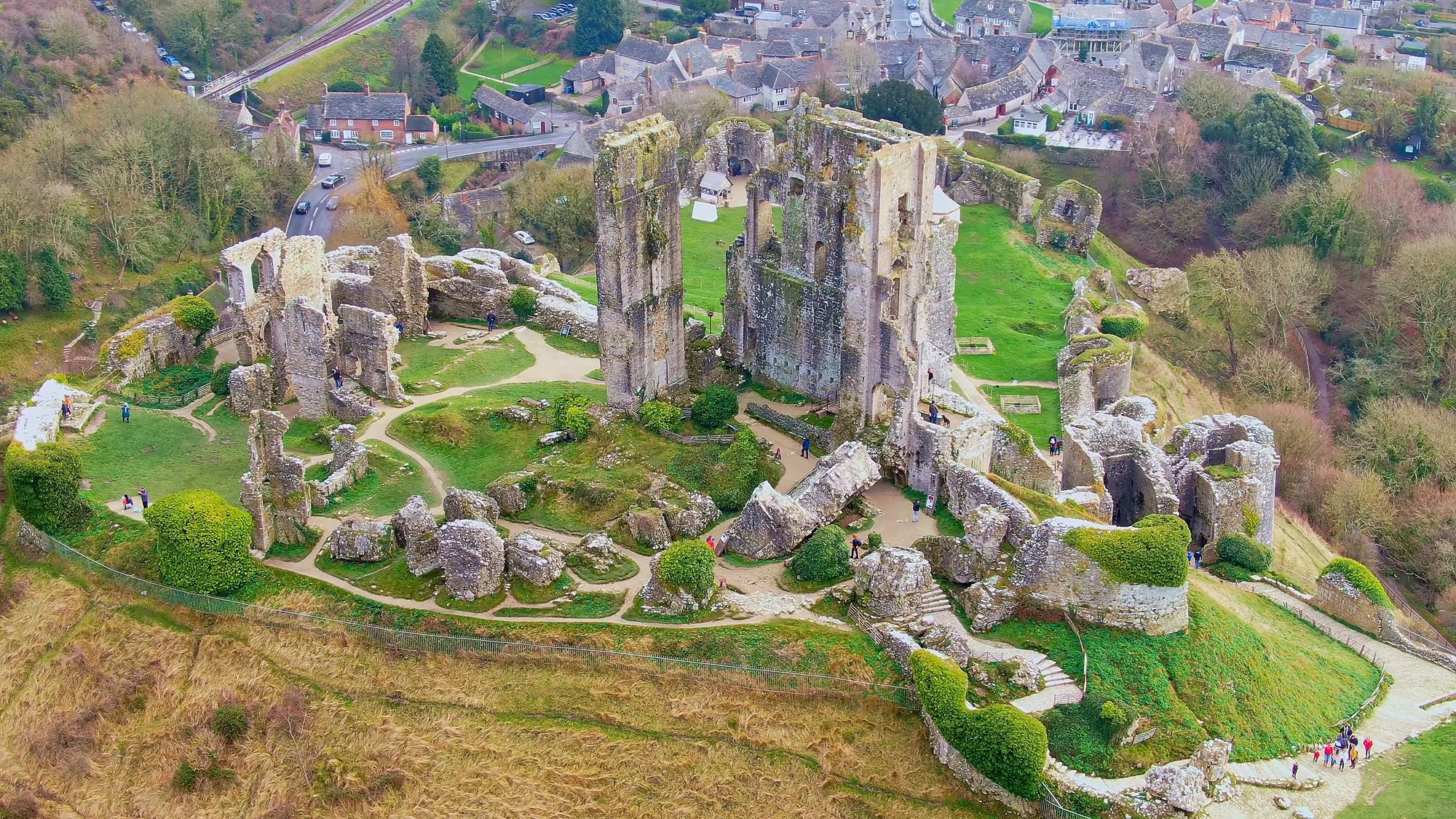
Corfe Castle lies in the scenic village of Corfe. It’s 1000 years of turbulent history has seen kings, murders, and the English Civil War pass by. Now a site encompassing striking ruins and breath-taking views, the castle began as a Saxon stronghold before succumbing to the Norman invasion. It has since been a royal palace and family home. There is plenty to explore here including fallen stone walls, secret areas and the gruesome ‘murder holes’. Perfect for kids, families, and enthusiasts alike.

Hardy's Cottage
In the heart of rural Dorset is this small traditional cob and thatch cottage, built in 1800 by Thomas Hardy’s great-grandfather. Hardy was born and raised here, writing many of his early poems and novels at a small desk overlooking the garden. Now owned by the National Trust, the cottage is furnished in Victorian style and gives a revealing glimpse into Hardy’s love for nature and the outdoors, a world that helped inspire the rural Wessex of his novels. Visitors can also explore the nearby woodland trails and relax at the Under the Greenwood Tree Café.


Maiden Castle
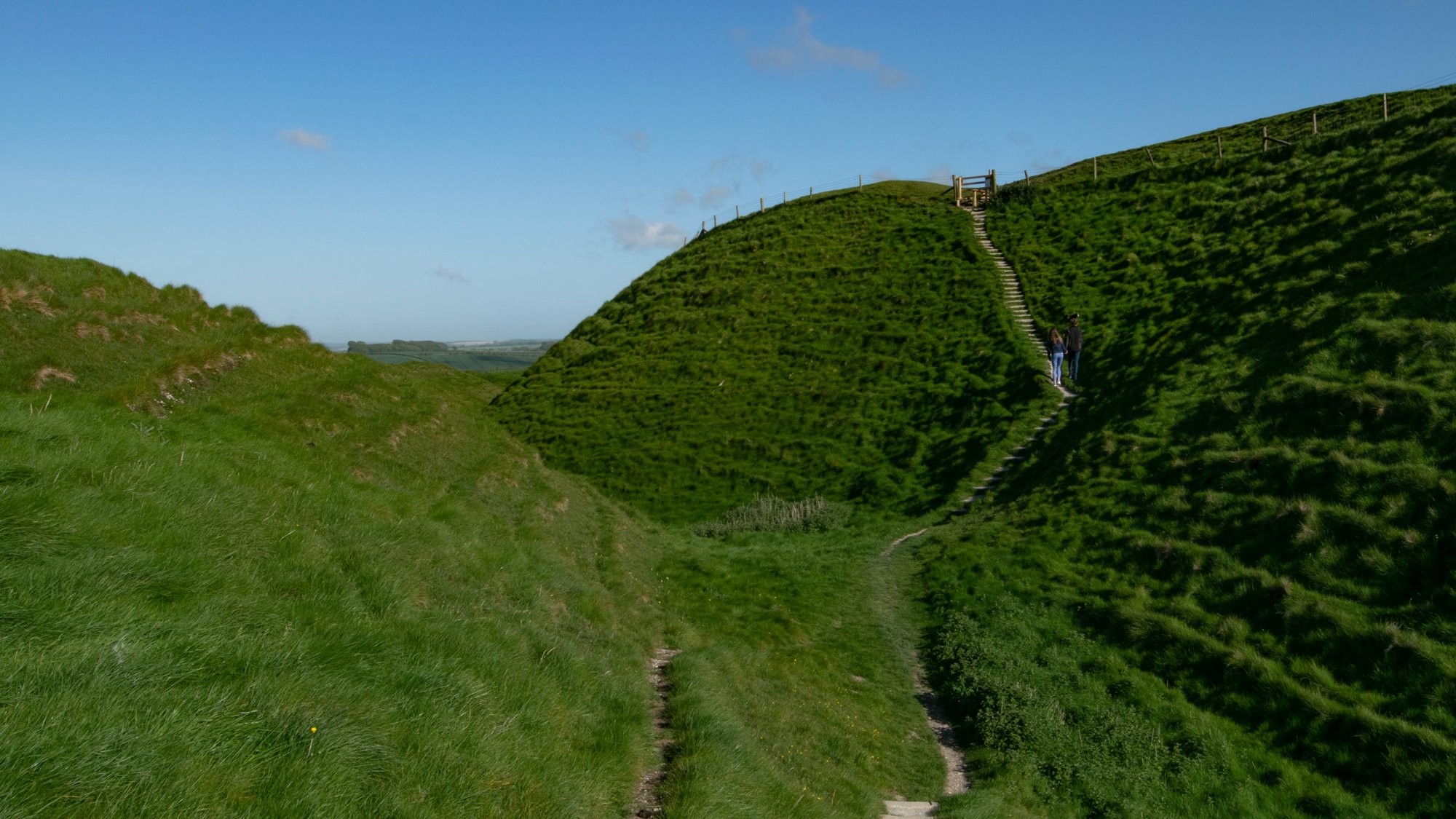
Known for its striking and imposing, multiple concentric ramparts, Maiden Castle is a site with evidence of some 6,000 years of occupation. In the early Neolithic the hilltop was cleared and an oval enclosure was created with two ditches. From around 800 BC it was a large Iron Age hill fort where several hundred people lived. Soon after the arrival of the Romans in 43 AD the hill fort was abandoned. Sometime during the 4th century AD a Roman temple was built on the hill. Today the hilltop provides spectacular views of the surrounding countryside.

Maumbury Rings
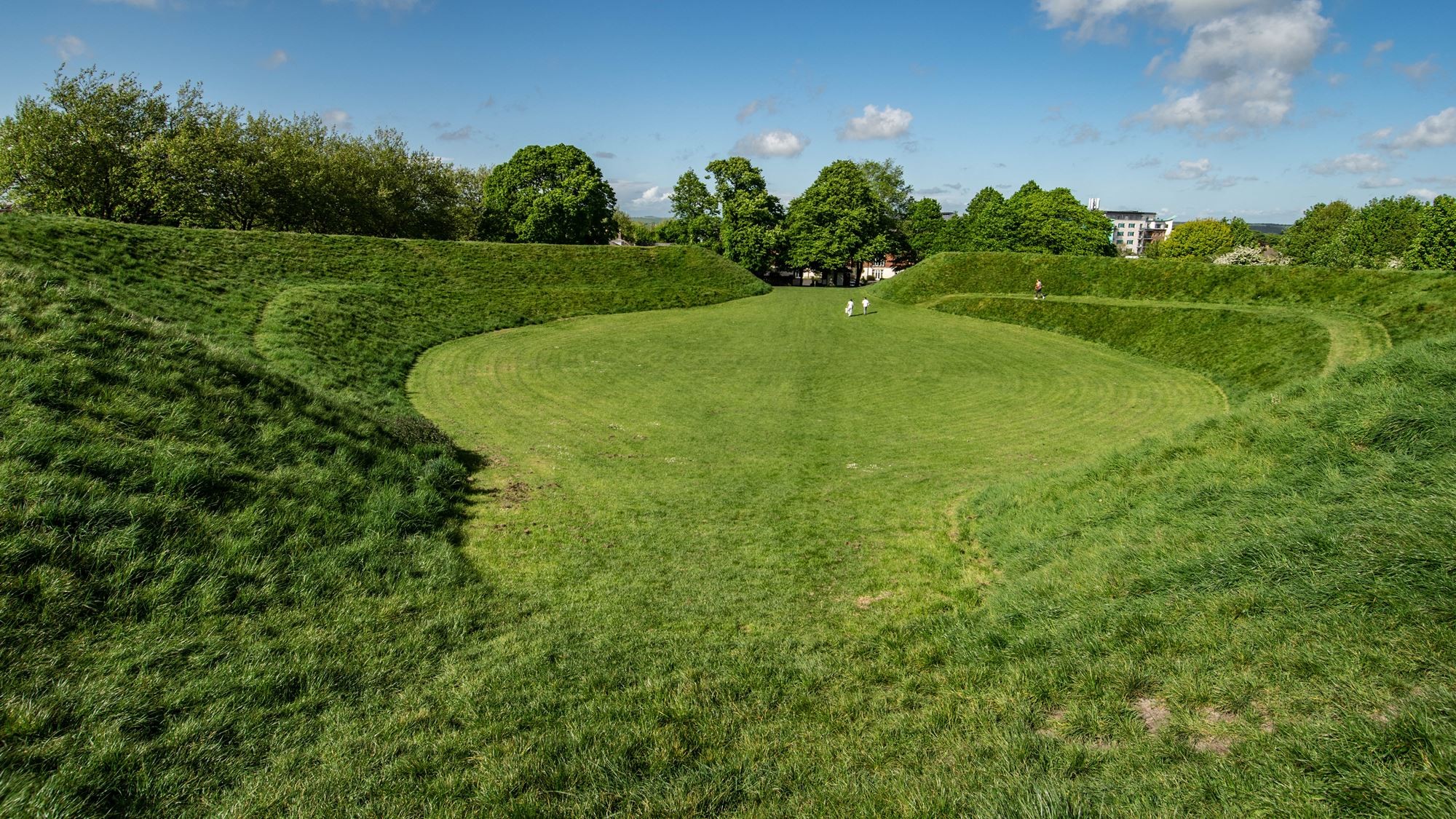
Maumbury Rings is an archaeological site that began as a Neolithic henge. The henge ditch was then modified by the Romans to create an amphitheatre. The oval flat area was the arena and the grass covered banks the foundations of the seating, estimated to be about 13,000. During the Civil War of the 17th century the site was used as a defensive fort. The site is a short walk to the Dorset County Museum, where numerous artefacts recovered from extensive excavations can be seen.


Max Gate - Thomas Hardy
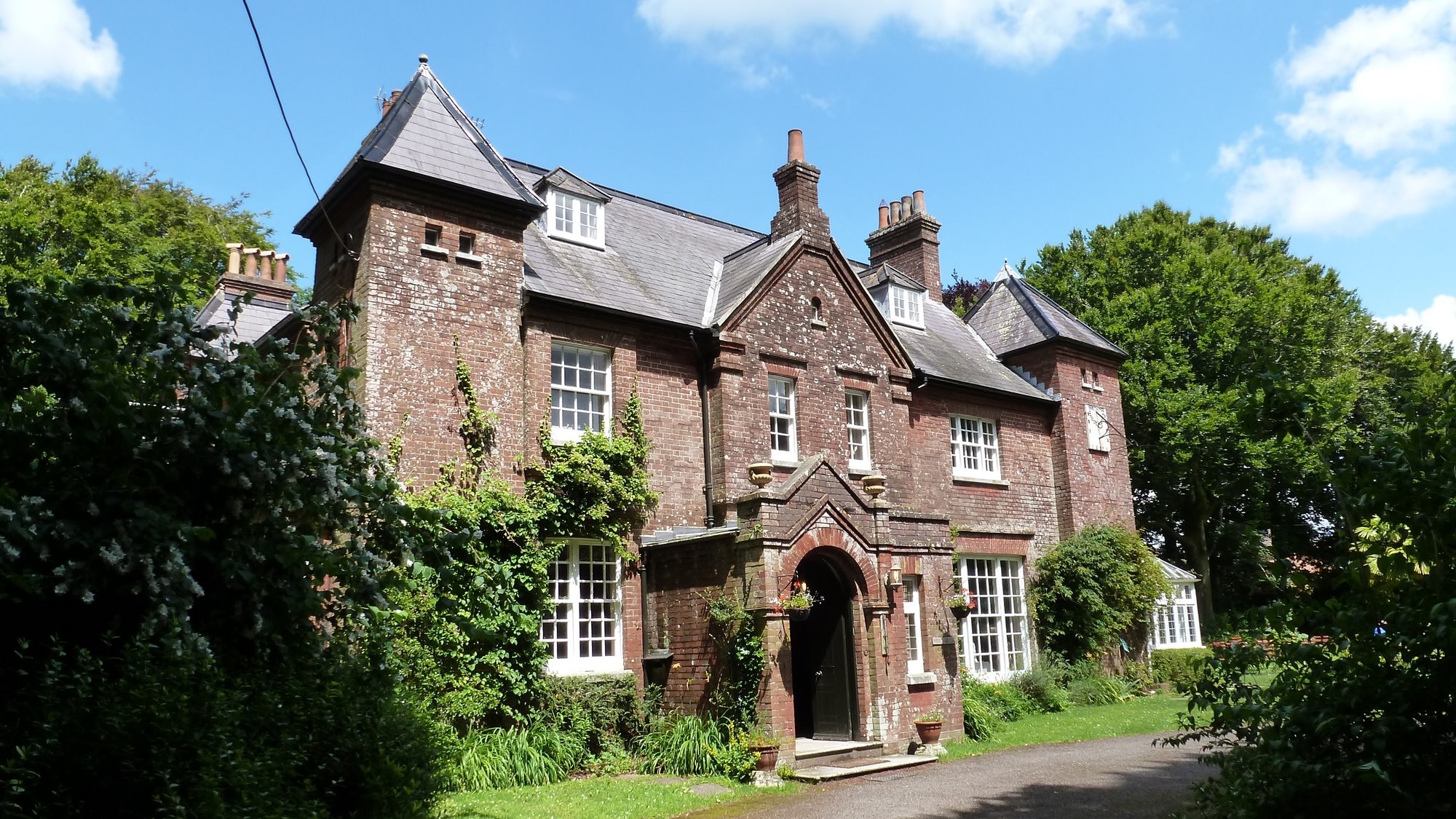
Located only a few miles away from the cottage where he was born, Max Gate was the home that the writer Thomas Hardy created for himself after establishing his career as a successful author. Hardy designed the grand Victorian villa and lived there with his first and then his second wife until his death in 1928. The house is now owned by the National Trust, contains some of his personal belongings, and boasts interiors that have been recreated as faithfully as possible. An ideal attraction for anyone seeking greater insight into Hardy’s life and work.

Romano British Temple - Maiden Castle
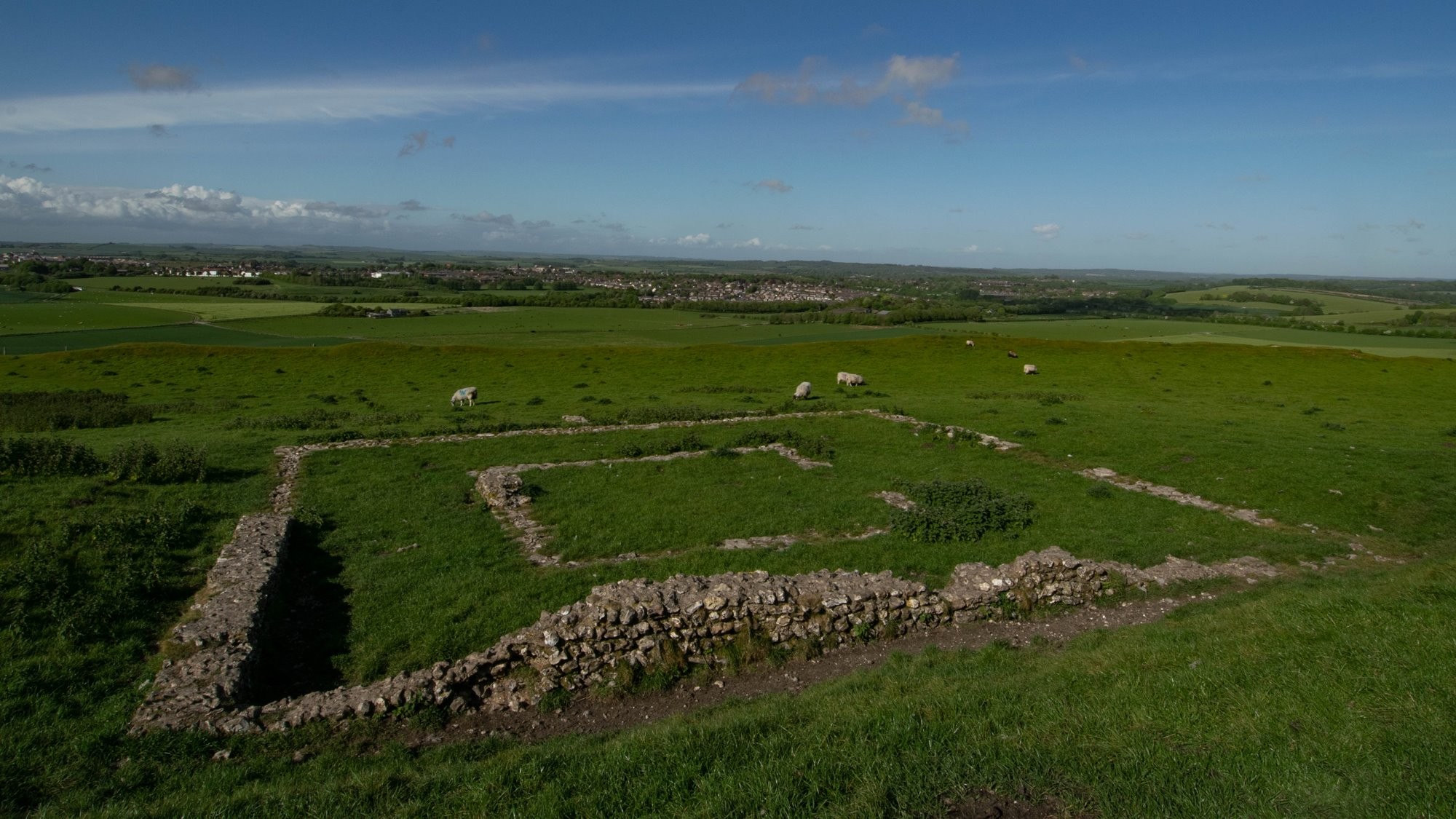
Sometime in the late 4th century AD a temple was constructed on top of the hill at Maiden Castle. The Romans arrived in the area in 43 BC, but the Iron Age hill fort was abandoned soon after that. Probably as the settlement moved to the nearby town of Durnovaria (present day Dorchester). The temple was made up of a central square room surrounded by a passage. The foundations of the small temple can still be clearly seen today. A bronze plaque depicting the goddess Minerva was recovered, suggesting the temple may have been dedicated to her.

Tyneham Abandoned Village
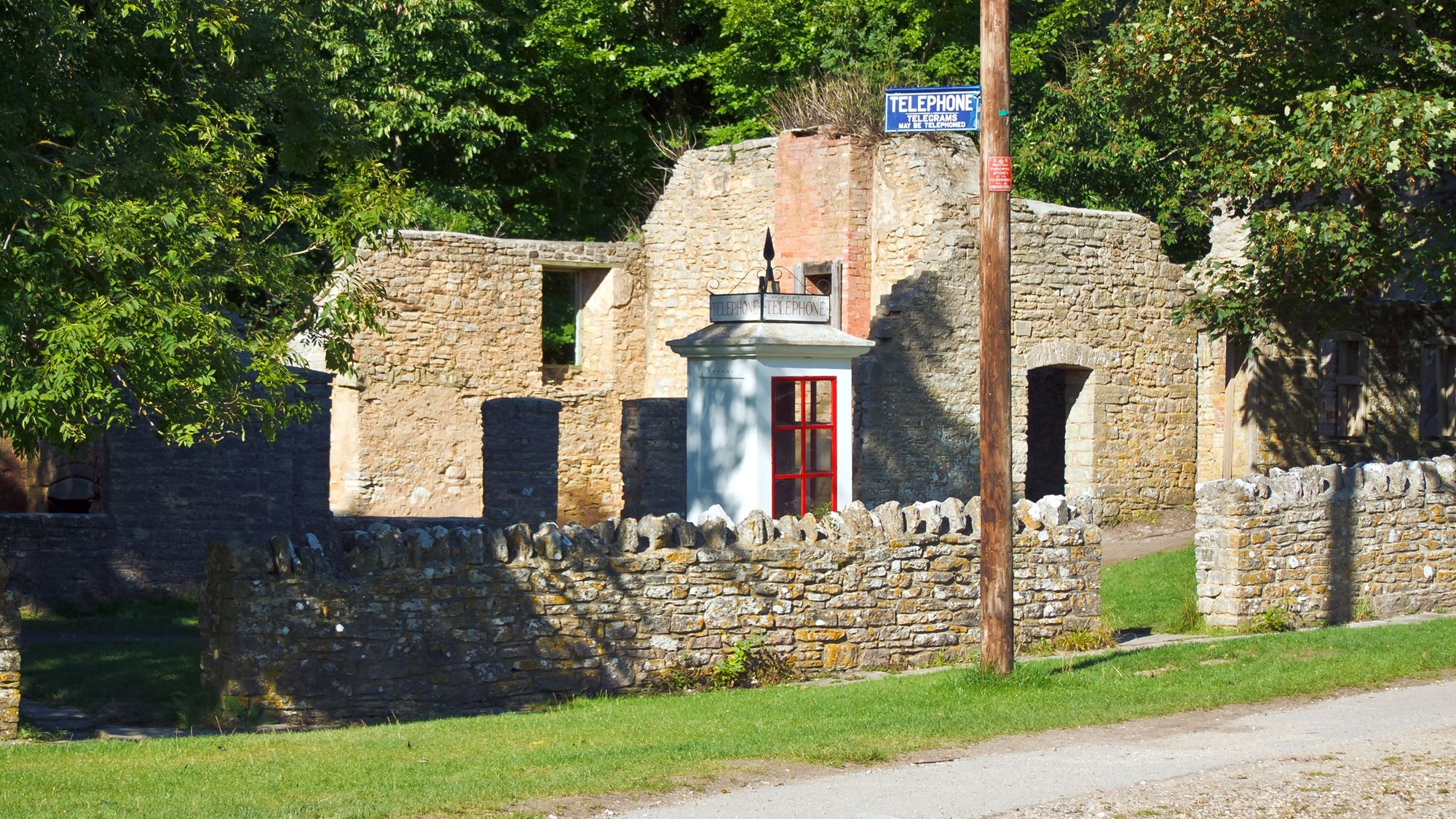
Just before Christmas of 1943 the residents of Tyneham received notification that they were all to be evacuated. Their village had been requisitioned by the War Office to train troops in preparation for D-Day. Some 225 people left their homes. The expectation was that the village would be returned to its residents as soon as the war was over. In 1948, however, the MOD put a compulsory purchase order on the land, and has owned it ever since. The village has long since fallen into disrepair and is now known as the ‘ghost village’. The old manor house has been completely demolished, but the church and school have been renovated and the remaining cottages are very ramshackle and decrepit.


Join English Heritage and/or National Trust
Some attractions listed on this page are managed by English Heritage or the National Trust. Besides supporting their work, joining these organisations offers you many benefits. Read about the benefits of joining English Heritage and/or the National Trust.
Get 15% off new English Heritage memberships (annual direct debit only) until 31 December 2025.
Discount Code: EHAFF25
Museums & Art Galleries in Dorset
Dorset County Museum
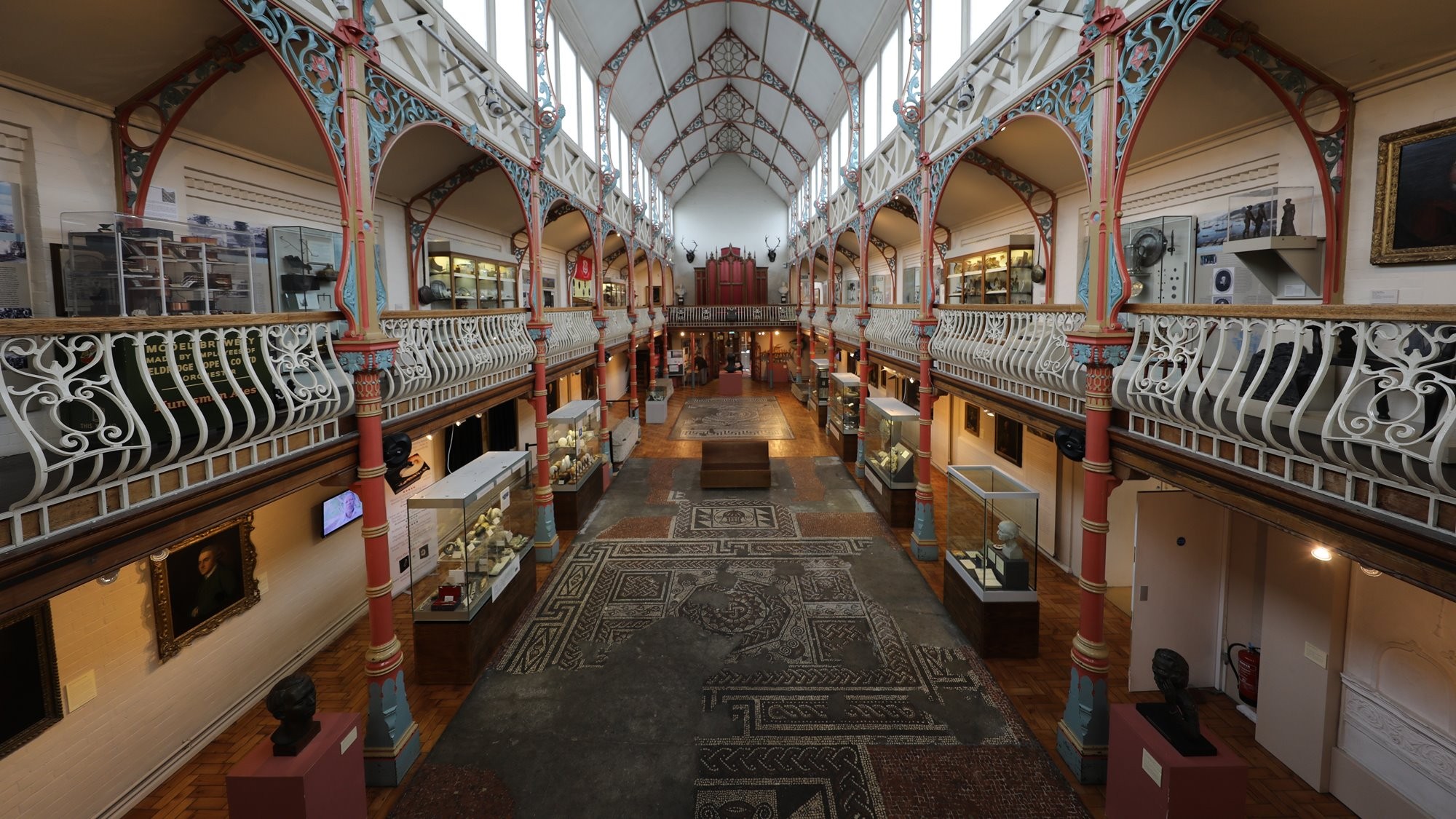
The Dorset County Museum is an independent museum that is owned by the Dorset Natural History and Archaeological Society. Over 2 million objects tell the story of 250 million years of Dorset’s history, from geology and palaeontology, to archaeology and history. Notable collections include prehistoric and Roman artefacts excavated at Maiden Castle and the world’s largest collection of artefacts relating to the 19th century Dorset-born writer Thomas Hardy. Many other writers and artists are represented in the collection.

Red House Museum & Gardens
Built in 1764 to serve as the parish workhouse for Christchurch and Bournemouth, the Georgian building was acquired by local antiquarian Herbert Druitt in the 20th century. Druitt’s collections form the basis of the public museum that opened in 1951, focussing on the local history of the area. Archaeological highlights include Iron Age artefacts from Hengistbury Head and funerary objects recovered from a Saxon princely burial. The museum also has a impressive collection of Victorian and Edwardian artefacts.