Greater London
Art, History & Archaeology Sites & Museums
Archaeology & History Sites in Greater London
Apsley House
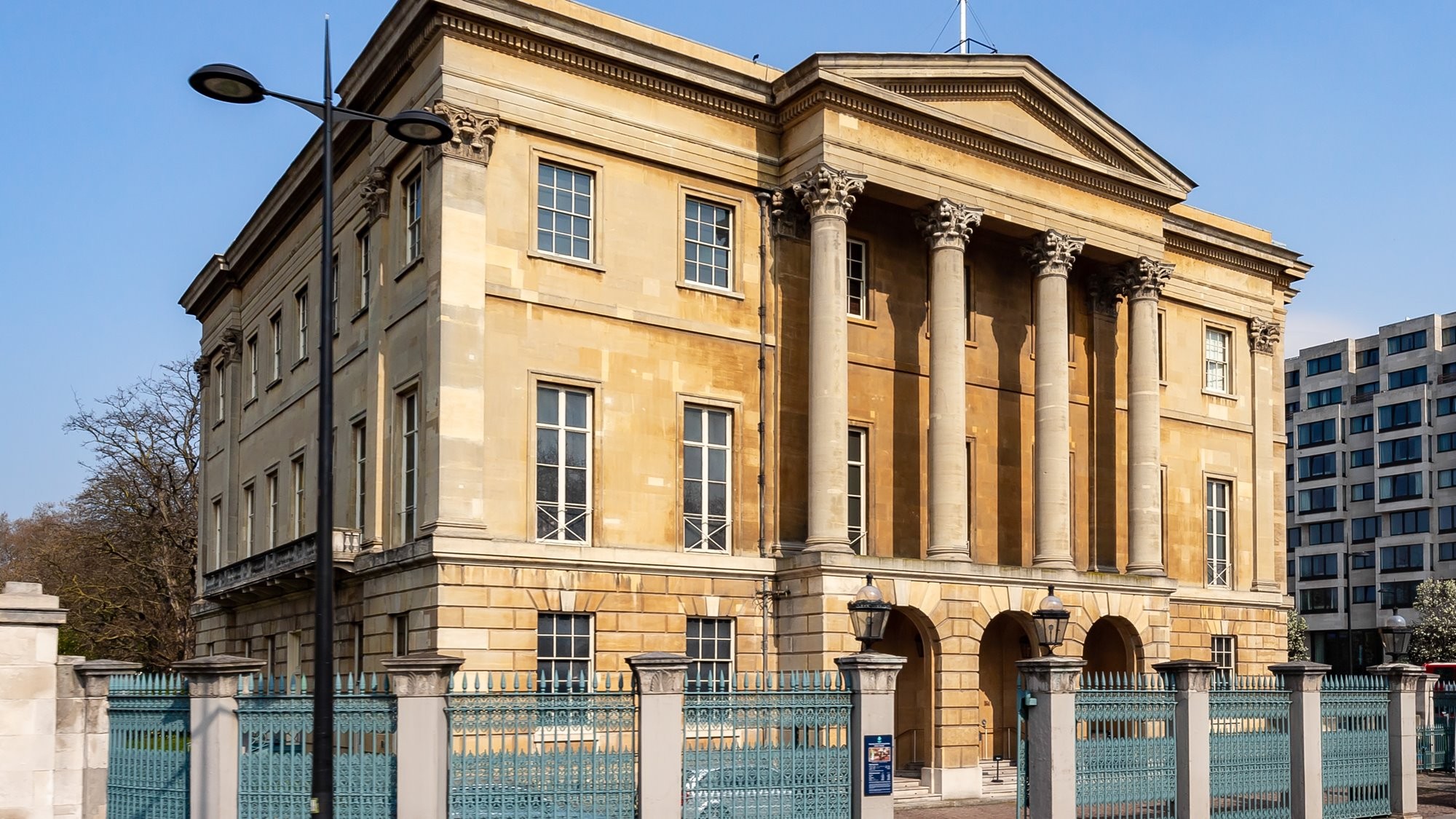
Apsley House is the London townhouse of the Dukes of Wellington. Built in the 1770s by Robert Adam, and extensively remodelled for the 1st Duke of Wellington when he bought it from his brother to pursue a career in politics. Known as ‘Number One, London’ because it was the first house visitors passed after the Knightsbridge toll gates. Although still a private residence for the Dukes of Wellington, parts of the house are open to the public. Including the Wellington Collection, one of the finest collections of art in London.

Buckingham Palace
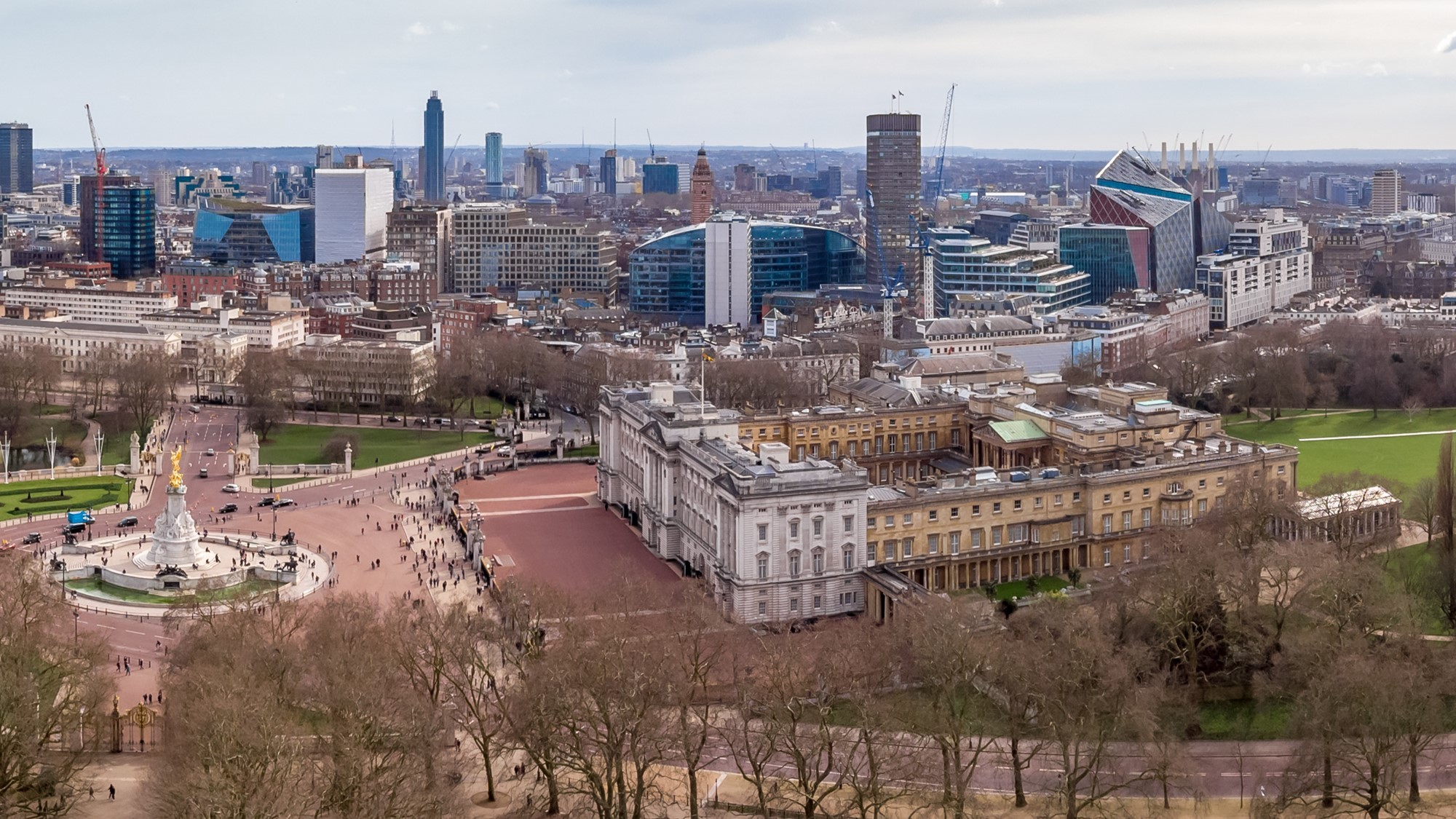
When Victoria ascended the throne in 1837 she became the first monarch to use Buckingham Palace as her primary residence. Originally built for the Duke of Buckingham in 1703, it was King George IV who had the townhouse converted into a palace in the early 19th century. Today the palace is not only the official residence of the British monarch, it is also used for royal ceremonies and investitures as well as national and state occasions. Parts of the palace are open to the public at certain times of the year.

Carlyle's House
The historian and essayist Thomas Carlyle was one of the most influential intellectuals of Victorian Britain. He moved into this Queen Anne era four-storey terrace house in Chelsea with his wife Jane in 1834. He lived here until his death in 1881. Among those who visited him were other literary luminaries such as Charles Dickens, George Eliot and Alfred Lord Tennyson. Soon after his death, the house was turned into a writer’s house museum, one of the first in Britain. The house is decorated with photographs, paintings and furniture that belonged to the Carlyles.

Charles Dickens Museum
One of the best-known authors of the Victorian era, Charles Dickens still has a committed fan following across the world. He lived at this Georgian terraced house in London between 1837 and 1839, during which time he wrote Oliver Twist, The Pickwick Papers and Nicholas Nickelby. Since 1925 it has been open to the public and contains over 10,000 important manuscripts, rare editions, personal items and assorted artefacts. It holds regular exhibitions, events and tours, including a Housemaids’ Tour where you can see life below stairs.

Cleopatra's Needle, London
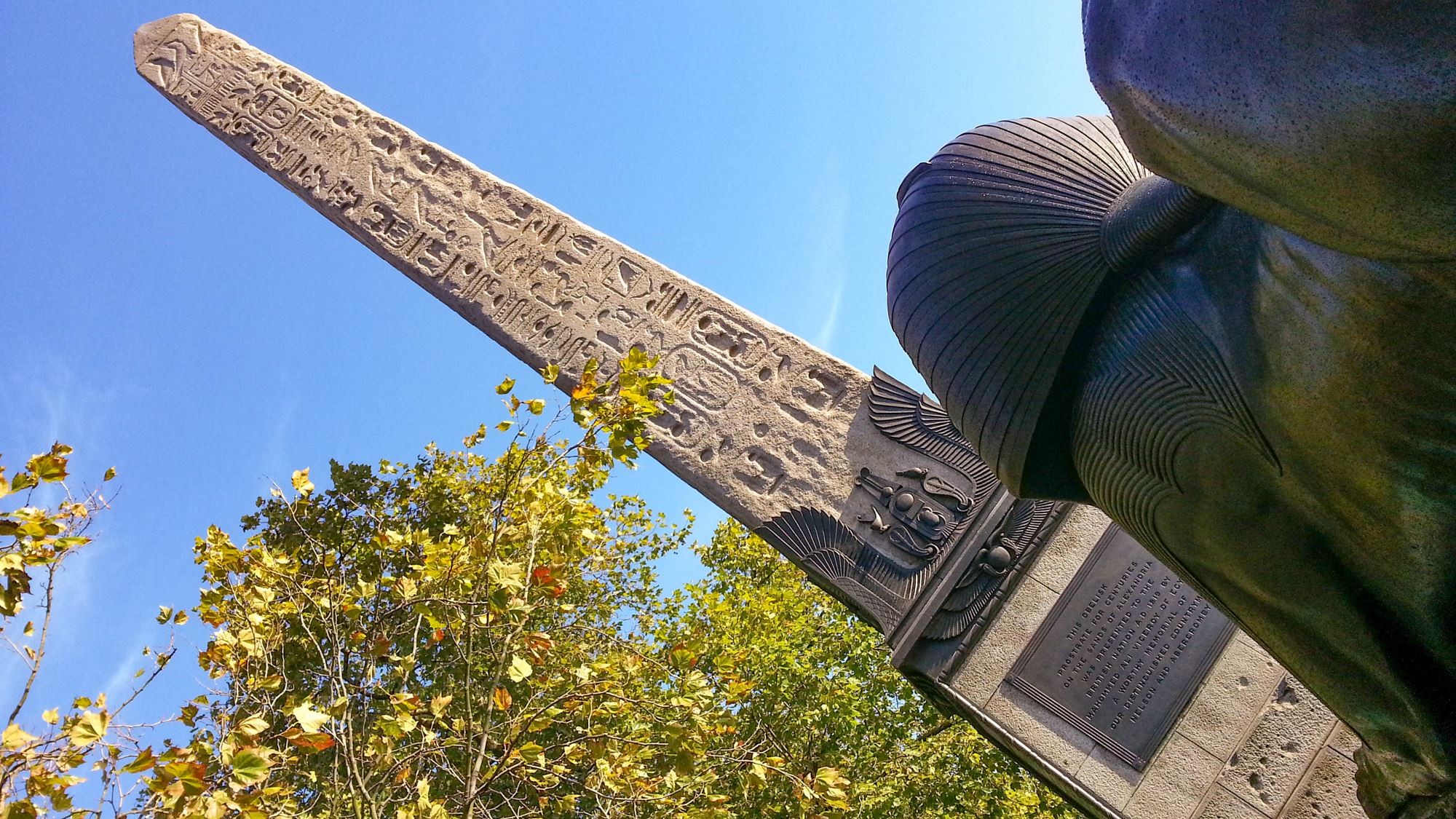
Situated on the northern embankment of the Thames River in London is one of a pair of ancient obelisks that were erected in 1475 at the Egyptian city of Heliopolis by Thutmose III. The other now stands in Central Park, New York. In 12 BC the pair were moved from Heliopolis (Cairo) to Alexandria by Cleopatra. Sometime after 1200 AD when both were noted as still standing, the obelisk that was taken to London toppled. Suggestions are this was in 1303 when an earthquake off Crete brought down the Alexandria Lighthouse. The obelisk was erected in London in September 1878.

Down House
Located on the rural edges of Greater London, Down House was the home of world-renowned scientist Charles Darwin, and it was here that he wrote The Origin of Species, a seminal work in the study of evolution. The house contains many of Darwin’s personal possessions, some from his time on HMS Beagle. His study has been faithfully recreated and the extensive gardens include the Sandwalk where he would stroll up and down to allow himself thinking time. Owned by English Heritage, the site is open all year round.

Eltham Palace
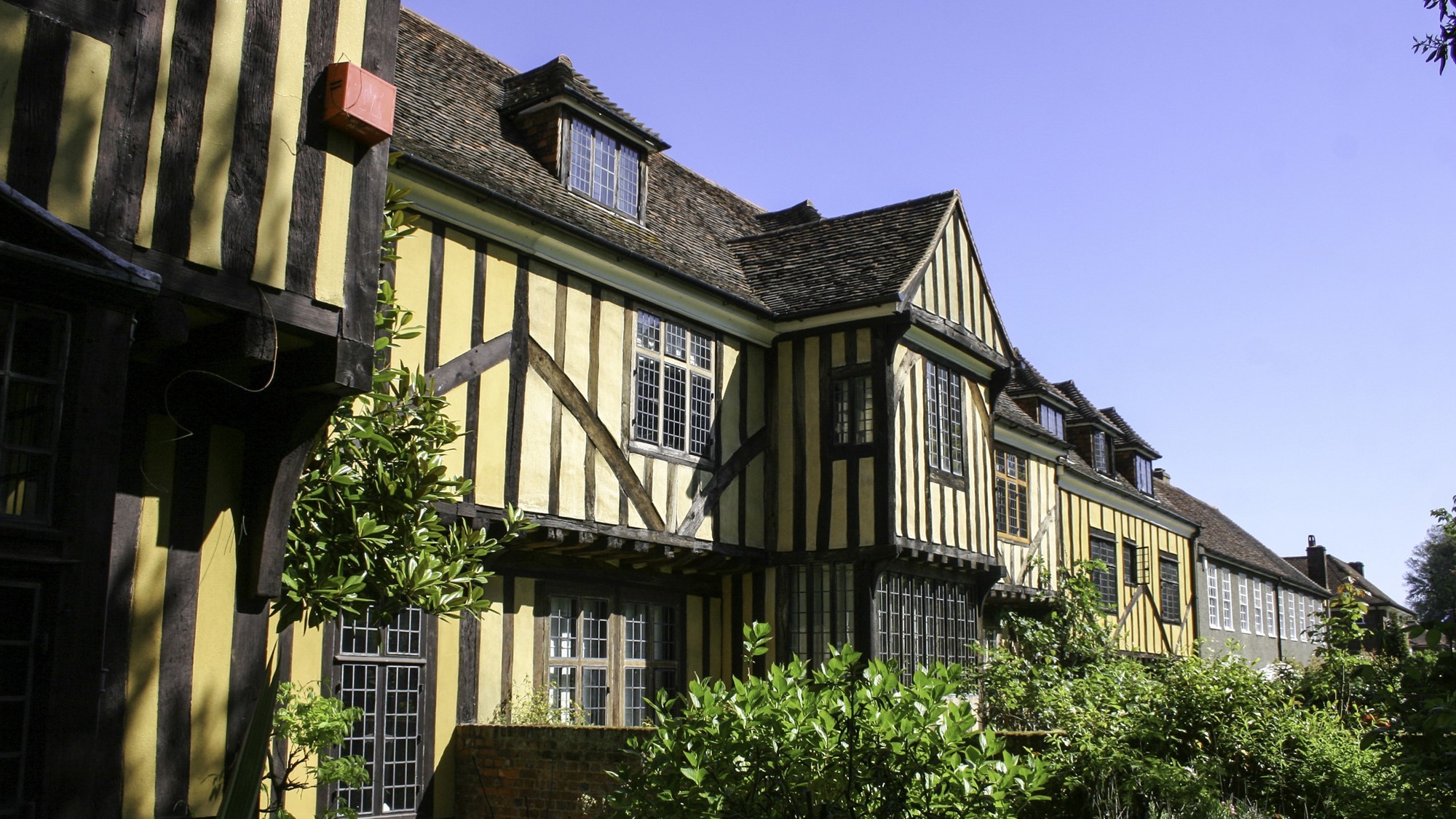
Located in southeast London, Eltham Palace started life as a medieval palace given to King Edward II in 1305; it remained in royal hands until the 16th century. The palace’s Great Hall was built in the 1470s, under the ownership of King Edward IV, although by the early modern period the building was in a dilapidated state. In the 1930s, Stephen Courtauld obtained the property and incorporated the Great Hall into a new mansion that reflected the art deco style popular at the time. Eltham Palace has London’s oldest working bridge.

Highgate Cemetery
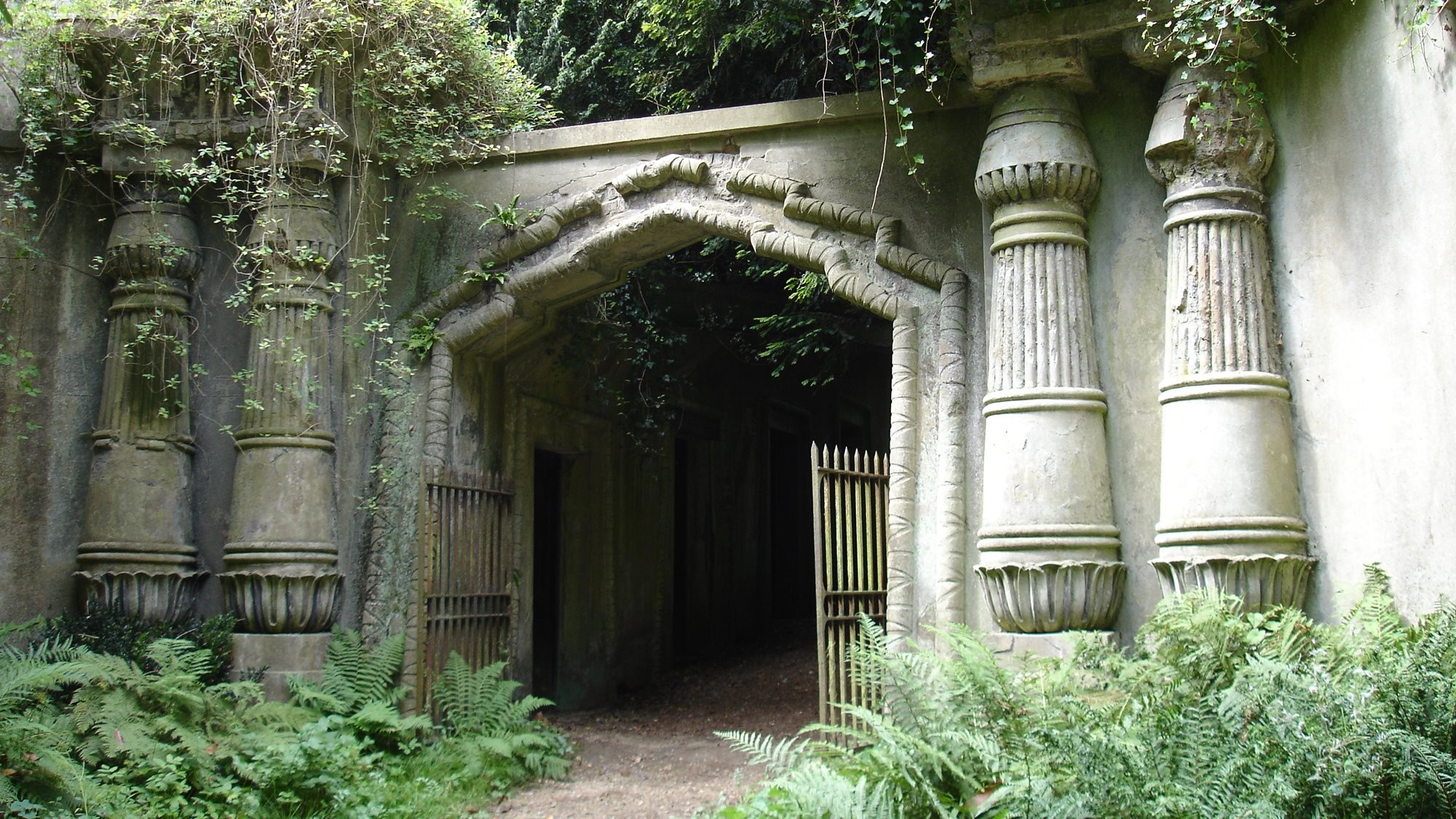
There are few burial places in London, or even the whole of Britain, that are as famous and evocative as Highgate Cemetery. Established in the early years of Queen Victoria’s reign, the site is known for its elaborate Neo-Gothic tombs, foreboding mausoleums, and sculpted stone angels. Egyptian revivalist architecture can be found in the Egyptian Avenue. The cemetery spreads across fifteen hectares on a hill to the north of the city. Among the 170,000 people laid to rest here are many famous figures who made their names in politics, sport, and the arts.

Keats House
The poet John Keats lived as a lodger in part of this Hampstead house between 1818 and 1820 before his worsening tuberculosis pushed him to relocate to the warmer climes of Rome. It was here that he wrote many of his best works, including Ode to a Nightingale and La Belle Dame Sans Merci. It was also in Hampstead that he met his fiancée and muse, Fanny Brawne, who lived next door. Ultimately, he died abroad before they could be married. The house is now run as a museum and literary centre, with regular events and activities.

Keston Roman Villa & Tombs
On the edge of Greater London in the small leafy village of Keston, archaeologists found the remains of a 3rd Century AD Roman villa and at least two tombs and many individual graves. Excavations started in the late 1960s and carried on until the 1990s. For conservation reasons the villa was covered up following excavation, but the tombs were left exposed. The ruins are on private property and are usually only accessible to the public on open days held in September each year.


Lesnes Abbey
The ruins of Lesnes Abbey are situated in the Lesnes Abbey Wood, a local community park and nature reserve. This includes the Abbey Wood geological Site of Special Scientific Interest, owing to the Tertiary fossil beds. The abbey was founded by Richard de Luci in 1178. It is thought as penance for his role in the murder of Thomas Becket, Archbishop of Canterbury. Cardinal Wolsey closed the abbey in 1525, predating the dissolution of the monasteries in 1536, because it was too small.

London Mithraeum Bloomberg SPACE
A chance discovery in 1954 during post-war archaeological excavations led to the discovery of the Roman mithraeum. The temple dedicated to Mithras was built in the 3rd century AD. During the construction of Bloomberg’s European headquarters archaeologists found numerous Roman artefacts. Including over 400 writing tablets, one being the first recorded reference to London. A selection of these are on display along with a spectacular and engaging presentation of the mithraeum.

London's Roman & Medieval City Wall
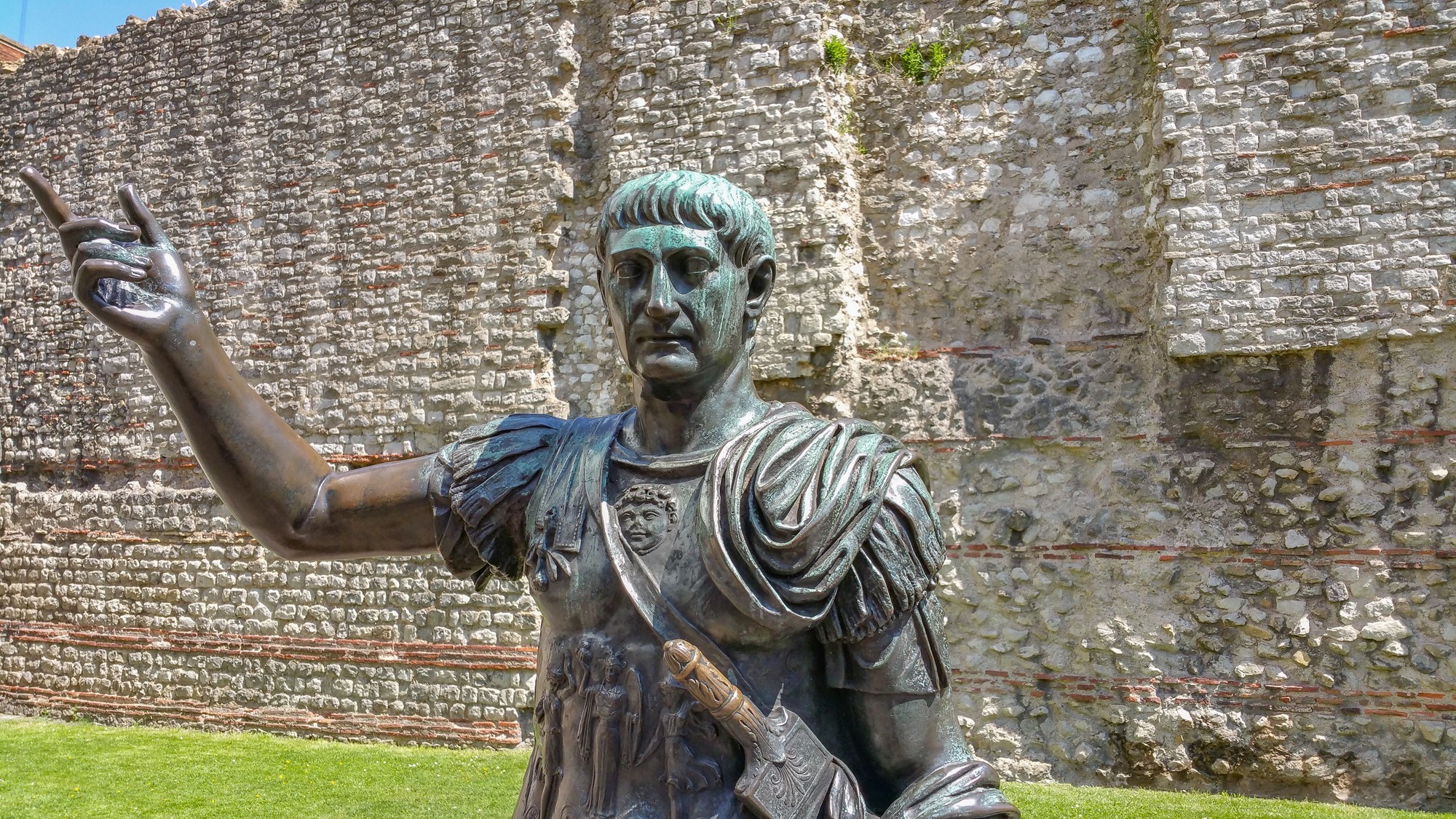
After nearly 2,000 years sizeable fragments of the wall that once defended the Roman port of Londinium still remain. The wall was built in about 200 AD, and along with Hadrian’s Wall and the network of Roman roads it was one of the largest architectural features to have been built by in Britain by the Romans. It was maintained and rebuilt by successive Medieval Londoners, and today the various fragments are incorporated into the contemporary architecture and layout of the City of London.

London's Roman Amphitheatre
The east gate the London’s Roman amphitheatre was discovered underneath the Guildhall Art Gallery in 1985 during the construction of a building to replace the gallery building that was destroyed during World War II. These meagre remains have since been conserved in situ for visitors in the basement of the art gallery, next to London’s historic Guildhall. An innovative presentation adds to the archaeological remains to give you an idea of how 7,000 spectators would have been seated on tiered wooden seats.

Palace of Westminster
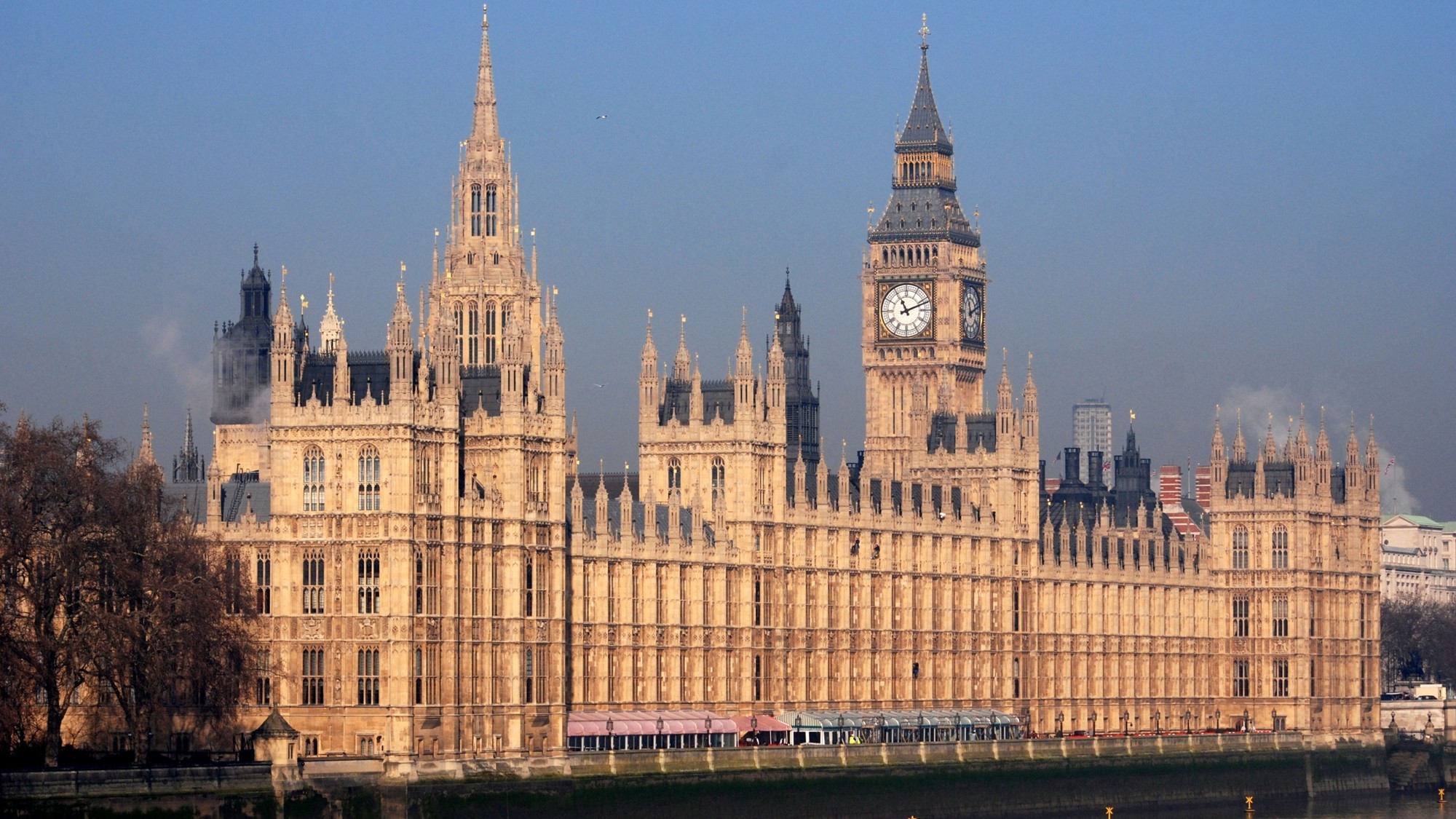
The seat of Britain’s government, the Palace of Westminster, or the Houses of Parliament, has medieval beginnings; originating as an 11th century royal palace. Housing parliament since the 13th century, much of the building was destroyed by fire in 1834. Architects Charles Barry and Augustus Pugin designed a Neo-Gothic replacement, which took forty years to construct. The building’s Elizabeth Tower houses Big Ben, the world-famous bell. A listed UNESCO World Heritage Site, visits are by guided tour.

Hand & Lock Studio Tour
Join Hand & Lock’s exclusive Studio Tour to explore Britain’s oldest embroidery house. This guided experience offers a rare look into our newly refurbished studio, highlighting our history and traditional embroidery techniques. View remarkable archive pieces, including designs for the British Royal Family and Military, as well as pieces worn by Penny Mordaunt and Queen Camilla at King Charles III’s Coronation. Witness craftsmanship in hand, digital, and Irish machine embroidery, and enjoy hands-on access to our sample archive. Discover our prestigious collaborations with brands such as Burberry, Dior, and Louis Vuitton, celebrating the artistry of bespoke embroidery.

Join English Heritage and/or National Trust
Some attractions listed on this page are managed by English Heritage or the National Trust. Besides supporting their work, joining these organisations offers you many benefits. Read about the benefits of joining English Heritage and/or the National Trust.
Get 15% off new English Heritage memberships (annual direct debit only) until 31 December 2025.
Discount Code: EHAFF25
Museums & Art Galleries in Greater London
Churchill War Rooms
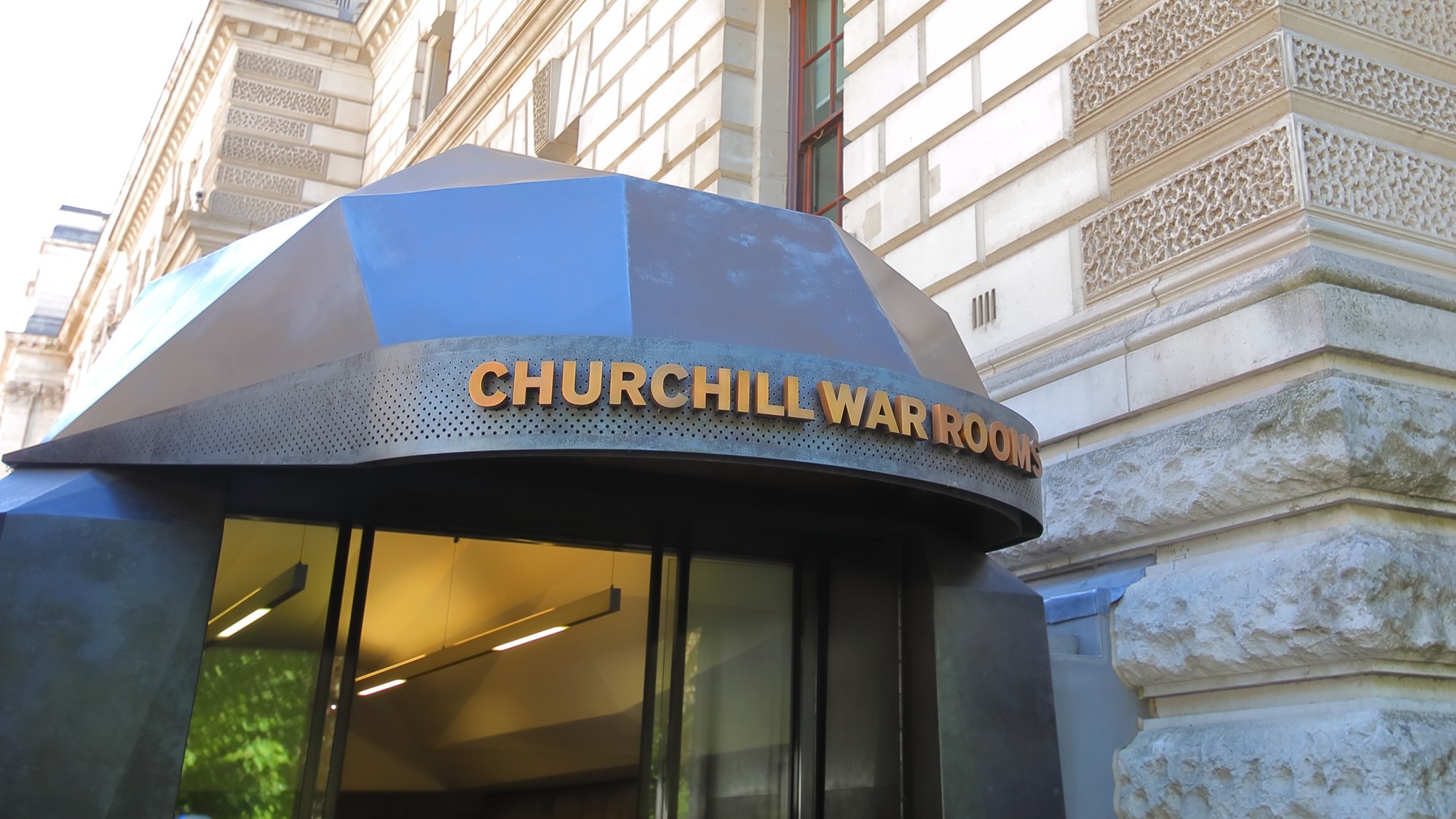
From the First World War the British government was concerned for its vulnerability in the event London suffered an aerial bombardment. In 1938 the basement of a building in Whitehall was renovated and equipped to provide an underground headquarters for the core of the British government. Hundred of men and women spent hours here directing the Second World War between 1940 and 1945. Combining archival photographs, film footage and oral histories five themes are covered in permanent displays in the Cabinet Room, the Map Room and Churchill’s bedroom.

Guildhall Art Gallery
Taking its name from the adjacent medieval Guildhall, the Guildhall Art Gallery began to display the City of London Corporation’s collection of art in 1885. With over 4,500 works in the collection, visitors can see art ranging in date from the mid 17th century to the present. Victorian art is well represented, including a number of important Pre-Raphaelite paintings. The collection also includes important ceremonial and historical paintings relating to the City of London. During the Blitz, a German bombing raid destroyed the gallery. This was rebuilt and opened in 1999, including the presentation of the remains of the Roman amphitheatre in the basement.

London Museum Docklands
Opened in 2003, the Museum of London Docklands occupies a Grade-I listed 19th century warehouse on the Isle of Dogs. The location is appropriate, for the museum explores the history of the commerce that dominated this area of London, whether that be in sugar, tea, or enslaved human beings. Focusing on the 17th century onward, exhibits document how Britain’s maritime prowess led to it becoming the world’s dominant superpower, as well as the impact that this had on the lives of people in London and the rest of the world.

Natural History Museum
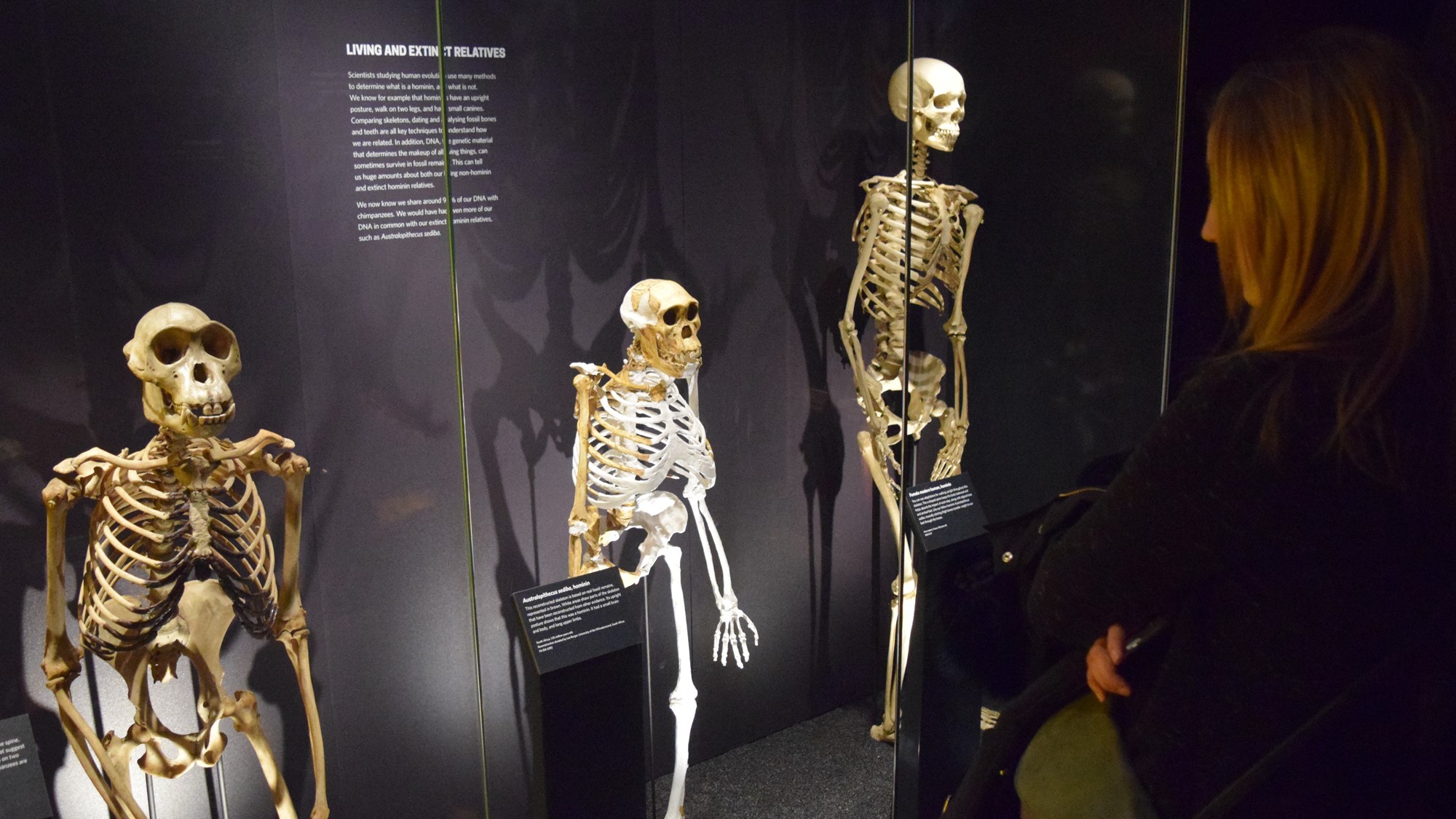
One of the largest and grandest museums in Greater London, the Natural History Museum provides not only an insight into the rich array of life on Earth and the species that dominated it before the arrival of humankind, but also the evolution of humanity itself. The museum hosts a significant collection of Palaeolithic artefacts from excavated sites like Boxgrove in West Sussex, although not all are on permanent display. The museum itself opened in 1881 and occupies a grandiose Neo-Gothic structure.

Petrie Museum of Egyptian Archaeology
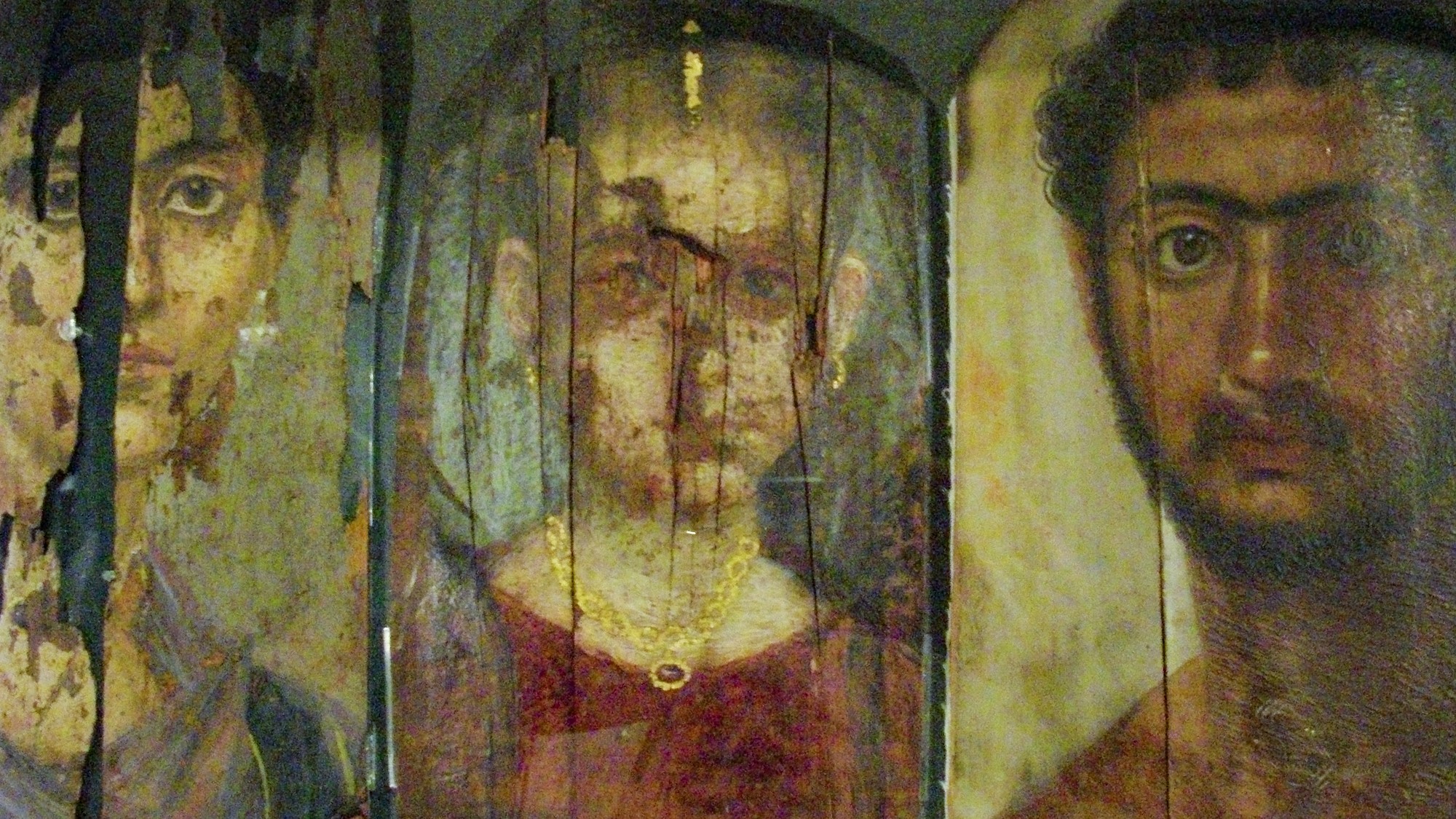
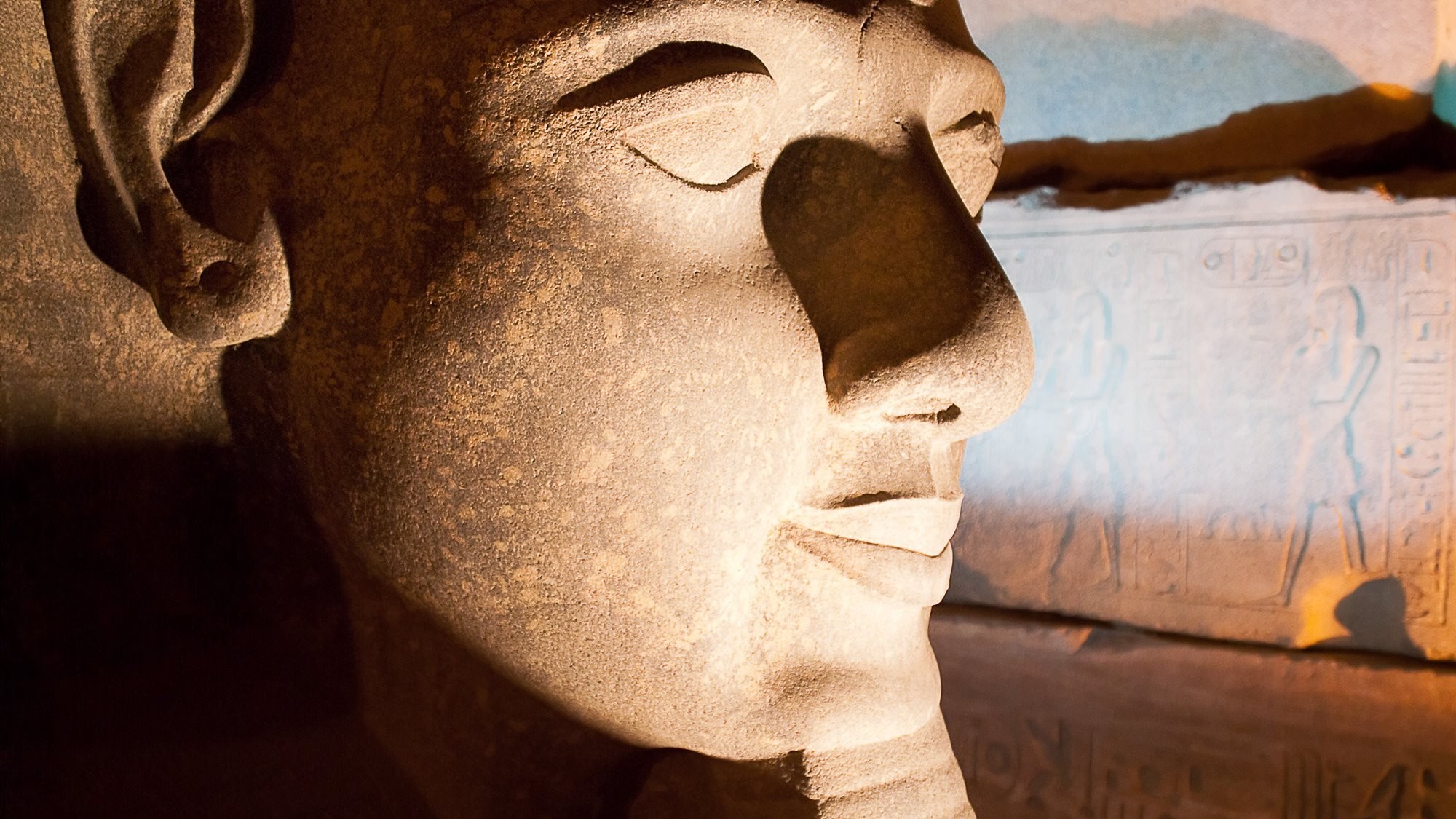
The museum has over 80,000 artefacts of Egyptian and Sudanese archaeology, telling the story of life in the Nile Valley from prehistory through Pharaonic Egypt, the Ptolemaic, Roman and Coptic periods to the Islamic period. The international importance of the museum’s collection lies in the vast range of objects, all from documented excavations of archaeological sites. But, this is not just a vast collection, it also has a number of significant pieces, including one of the oldest pieces of linen from Egypt.

RAF Bentley Priory
An 18th century stately home became a non-flying RAF base in 1926 and retained until 2008 when it the land was sold for housing. What was the Officer’s Mess has been turned into a museum that focuses on the Battle of Britain. RAF Bentley Priory was the headquarters of Fighter Command during WWII, in particular for the Battle of Britain in 1940. The base was also used as a location to plan the airborne D-Day landings. It was here in an underground bunker, the remains of which can be visited, that Churchill, Eisenhower and King George VI spent D-Day as the events in France unfolded.


Sir John Soane's Museum
Sir John Soane was a neo-classical architect active in the late 18th and early 19th centuries, best known for designing the Dulwich Picture Gallery in southeast London. Soane’s house in Lincoln’s Inn Fields, central London, was largely designed by himself, and displays his collections of art and antiquities. At his death he requested his house remain as he left it and it remains a museum to this day. Among the ancient artefacts is the sarcophagus of Seti I, bronzes from Pompeii and Peruvian ceramics.

The London Museum - Opening 2026
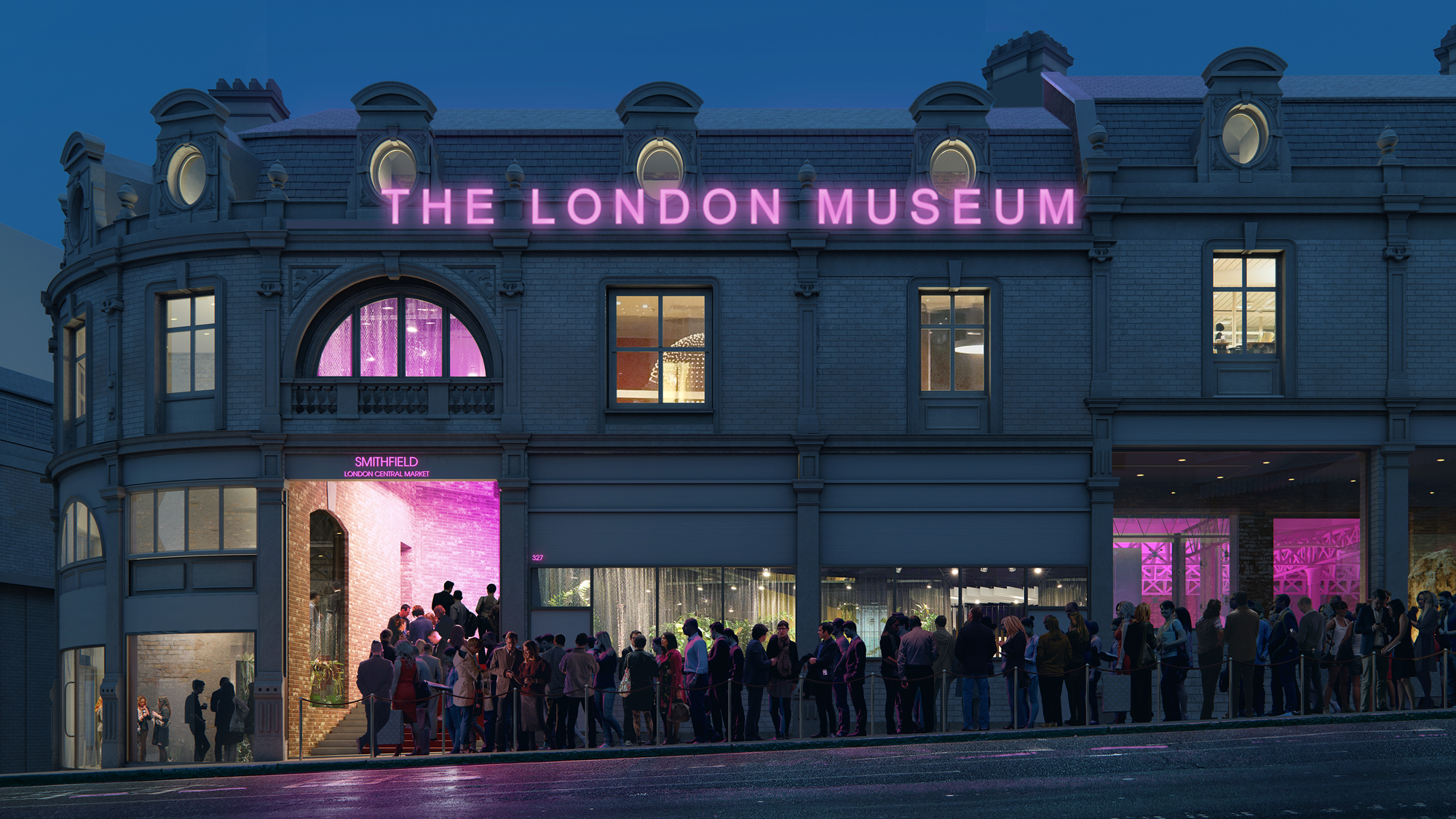
The Museum of London at the Wall closed its doors to the public in December 2022. It opened to the public in 1976. The museum will open again in 2026, in a new location and with a new name: the London Museum in West Smithfield, not far from the Wall site. The new location allows for a greater part of the museum’s 7 million+ objects to be displayed. The museum will continue to cover all aspects of London’s story, from 450,000 BC to the present.


Victoria & Albert Museum
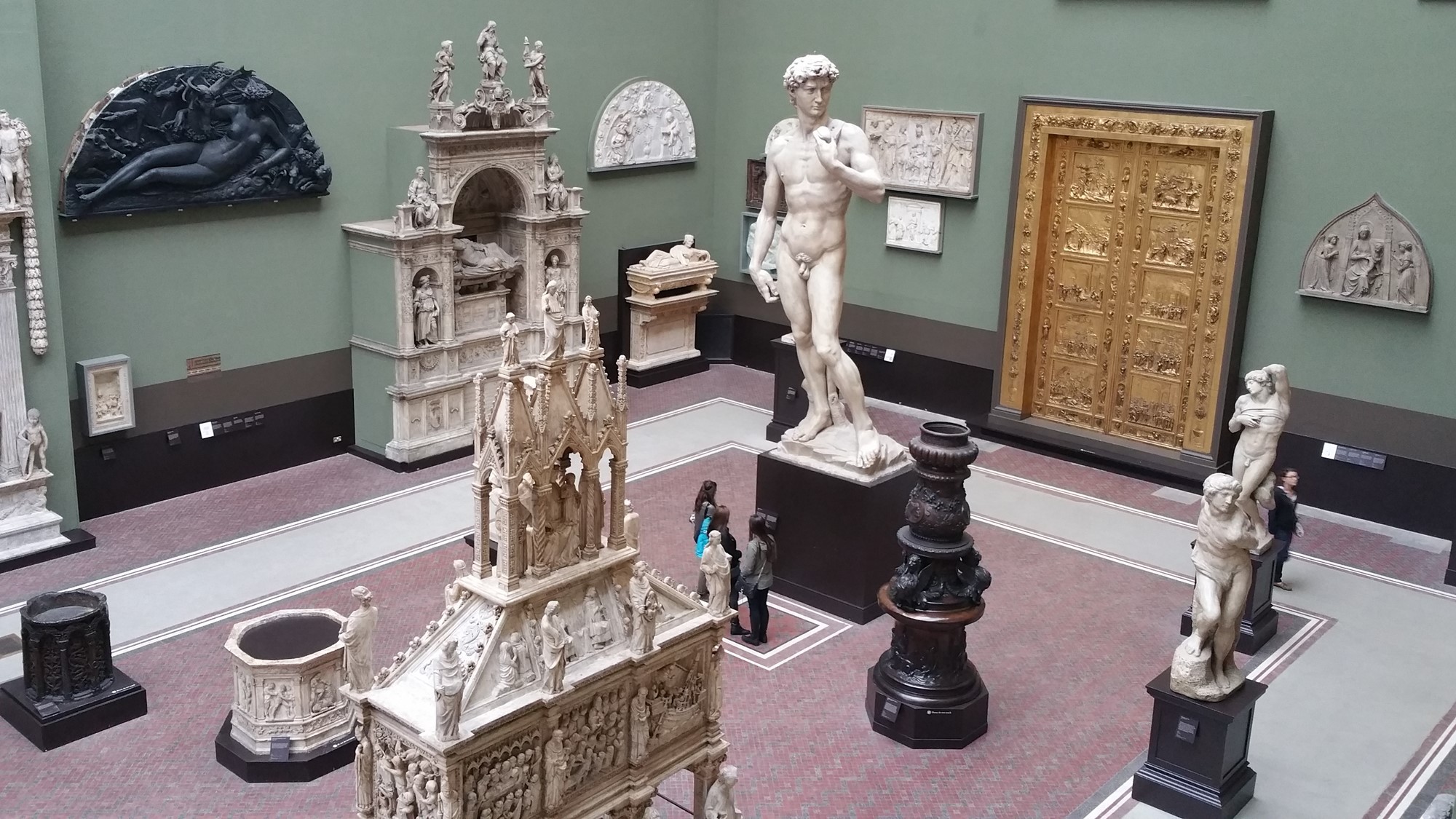
One of London’s largest museums, the Victoria & Albert opened in 1852. Devoted to the decorative arts and design, it has a rich and eclectic collection of objects from around the world, including archaeological and historic artefacts from medieval Europe along with galleries devoted to objects from India, East Asia, and the Islamic world. The Cast Courts feature replicas of many well known ancient and Renaissance artworks from Europe, including Trajan’s Column and Michelangelo’s David.