Travel Guides by Experienced Archaeologists & Historians

Somerset
Art, History & Archaeology Sites & Museums

From the heights of Exmoor and the Mendips to the watery lowlands of the Levels, Somerset has a rich prehistoric heritage, from the Early Neolithic long barrow at Stoney Littleton to the Bronze Age stone circles at Stanton Drew, and on to various Iron Age hillforts – including Cadbury Camp, often associated with King Arthur’s legendary Camelot. The Romans also settled here, with the city of Bath being home to one of England’s most famous Romano-British sites, the baths and springs of Sulis-Minerva. As well as having a medieval fortification at Nunney Castle, the county also bears evidence of medieval ecclesiastical activity, such as the ruins of Muchelney Abbey, Glastonbury Abbey, and the surviving tower atop Glastonbury Tor. The heritage of Glastonbury itself has given the town a reputation for enchantment and spiritual mystery. Somerset also has prominent early modern sites like Montacute House, Barrington Coty, and King John’s Hunting Lodge Museum.

Archaeology & History Sites in Somerset

Blaise Castle

Fans of the famous novelist Jane Austen may recognise Blaise Castle from its mention in her novel Northanger Abbey, published posthumously in 1817. Rather than being an original medieval fortification, Blaise Castle is a Gothic Revivalist folly built in 1766. The Scot architect Robert Mylne created it for the sugar merchant/Slave Trade investor Thomas Farr, a resident at the nearby Blaise Castle House. Restored in 1957, it is now a Grade II* listed building.


Coleridge Cottage

This little cottage, now owned by the National Trust, was where the poet Samuel Taylor Coleridge and his family lived for just three years from 1796; however it was in those three years that he produced some of his finest works, among them Kubla Khan and The Rime of the Ancient Mariner. Coleridge would walk in the countryside for inspiration, and his poetry marked the start of the Romantic literary movement in Britain. It was in this cottage that his addiction to laudanum developed, and he was never able to repeat his early successes.

Nunney Castle

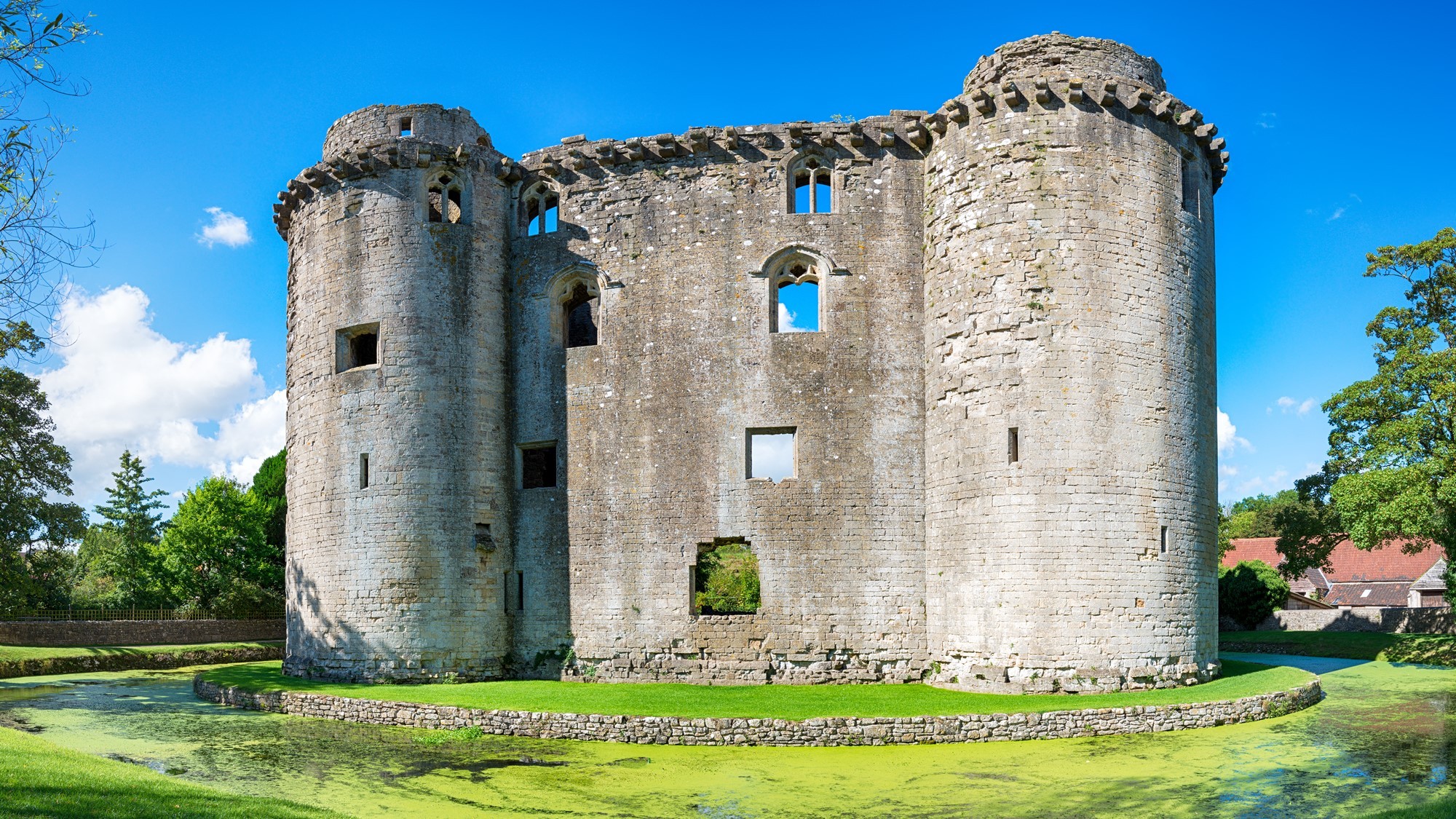
The impressive moated Nunney Castle was built sometime around 1370 CE. Located in the historic town of Frome, the defences were built by a knight from the area called Sir John de la Mare. Now a ruin, the castle’s structural layout consisted of a tower with a conical-roofed turret at each of its four corners. There would also have been a courtyard originally. Nunney Castle was modernised in the 16th century but suffered significant damage during the English civil war. Remarkably, much of the main structure still survives.

Join English Heritage and/or National Trust

Museums & Art Galleries in Somerset

Bristol Museum & Art Gallery

The Bristol Museum and Art Gallery is housed in a glorious Edwardian building and contains 19 galleries across 3 floors. The exhibitions comprise natural history, art, archaeology and geology from around the world. The ground floor contains the Archaeology and World Cultures collections, with a play and learn space for under 7’s. The first floor ‘wows’ with geology, dinosaur and wildlife galleries – the second floor hosts art galleries.

Jane Austen Centre

Probably the most popular British writer of her generation, Jane Austen remains internationally beloved. She spent several years in the city of Bath, and it was here that she set her novels Northanger Abbey and Persuasion. The Jane Austen Centre occupies a terraced house in the same street along which Austen lived in the 1800s. Its rooms are furnished to appear as they would have in Austen’s time, an impression enhanced through the use of costumed guides. The Centre also organises the annual Jane Austen Festival that takes place in Bath.