Pas-de-Calais
Art, History & Archaeology Sites & Museums
Pas-de-Calais is well known for stirring battlefields and striking memorials from the First World War. Lessor known, but as important and emotive, are a number of sites relating to the Second World War – such as the Atlantic Wall and V-weapons launch facilities. Also along the Opal Coats are charming, historic seaside towns along the Opal Coast, with medieval fortified towns and castles inland. With one of the finest museums in Europe and the UNESCO listed coal mines in the once industrial town of Lens, there is much more for culture and history enthusiasts to explore here than World War heritage.Â
The Pas-de-Calais is one of five departments in the Hauts-de-France region of metropolitan France. The other four are: Aisne, Nord, Oise, and Somme.Â
Create Itineraries & Travel Lists for Pas-de-Calais
If you are planning a trip to the Pas-de-Calais Department of France, you can use our Itinerary Builder with the lists of sites and museums linked to below to create your own travel lists (such as places you have been to, places you would like to visit) and itineraries. These can be shared with your friends, privately and on social media. To make use of this feature, however, you will need to login or register as a new user. Registering to use these features is free of charge. Once registered and logged in, you can use the lists below to select sites and museums you would like to add to your itinerary and/or travel lists.Â
Please Note: the lists below only include sites and museums in the Hauts-de-France region of France, go to the France Travel Guide to find places to visit in the other regions. The information on this page is curated by various members of the Archaeology Travel team, based on both personal visits and research.
Archaeology & History Sites in Pas-de-Calais
Canadian National Vimy Memorial
The Canadian National Vimy Memorial is situated on the highest point of Vimy Ridge – the site of the Battle of Vimy Ridge, which took place from 9 to 12 April in 1917. The memorial is dedicated to the memory of the battle and the Canadian Expeditionary Force members killed during the First World War, as well as those Canadians killed in France during WWI with no known grave. Besides the striking memorial, nearly 40 m high, the memorial site has also preserved parts of the battlefields, including trenches and craters. Visitors can take guided tours of the preserved underground tunnels. A visitor centre outlines the relevance of the site, its history and its significance for Canadians today.

Coal Mine Base 11/19
Base 11/19 is a coal mine that closed in 1986 and now one of a 5 major industrial sites in the Pas-de-Calais mining basin that is inscribed on the UNESCO list of World Heritage sites. Saved from destruction, the mine, with its head gear intact, is now used for heritage and cultural events. Pit 11 was opened in 1891, 19 in 1954. From here visitors can walk to the nearby slag heaps from the mine, les terrils jumeaux de Loos-en-Gohelle.

Commonwealth War Graves Experience, Arras
In the town of Beaurains, on the edge of Arras, the Commonwealth War Graves Commission has their principal workshop, from where British and Commonwealth cemeteries and memorials around the world are maintained. In the Visitor Centre, open to all, free of charge, a series of permanent exhibits explore every facet of the work of the CWGC, from finding bodies who fell during the two World Wars, to the caring for individual gravestones in cemeteries around the world. As well as the exhibits, windows on the workshops allow visitors to see craftspeople performing their work.


Éperlecques Bunker
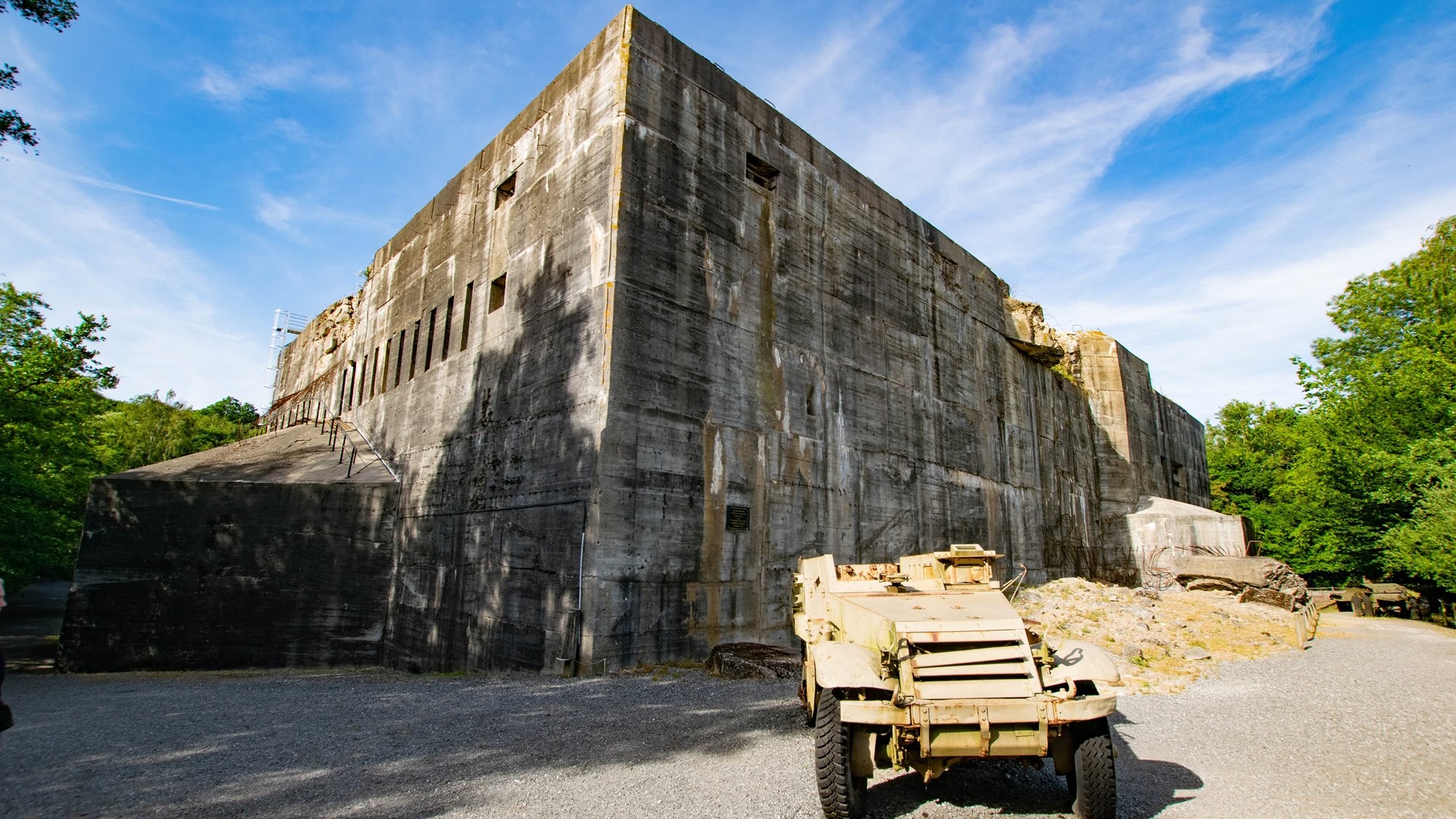
The Blockhaus d’Éperlecques was built by Nazi Germany between March 1943 and July 1944 intended to launch V-2 ballistic missiles from France to London. The bunker was built using prisoners of war and other forced labour. It was designed to launch 36 missiles per day. Aerial attacks from the Allies meant the construction was disrupted and it was never completed to be used for launching missiles. Éperlecques was captured from the Germans in September 1944, but it was not until much later was the true purpose of the bunker revealed. An interesting audio tour guides visitors on a present path through the facility.

Fraternisations Monument
Close to a spot where French Corporal wrote of the fraternisations between French and German soldiers during WWI is a monument that commemorates these acts of humanity that took place in the midst of inhumane conditions. As they took place, the soldiers knew they would be condemned, it is poignant that there is now a place where such acts are memorialised. Using first-hand accounts and contemporary art, information panels and virtual reality installations tell the many stories of the so-called fraternisations that took place during World War One, particularly on Christmas Eve of 191 and the 1915 winter floods.

Hardelot Castle
What began as a simple wooden fortification some 900 years ago has been repeatedly transformed over the years by a succession of guardians into a medieval fortress and royal stronghold. Today it is a cultural centre that promotes the history of relations between France and England. A neo Gothic mansion houses a collection of 19th century furniture and decorative arts. Within a typically English landscaped garden is the Elizabethan Theatre, inspired by the theatres of 16th century England.

Les Terrils 74 - Slag Heaps
The slag heaps on the edge of the town of Lens, results of mining activity at the nearby Base 11/19 coal mine, are the highest in Europe. There are three features here, two conical shaped slag heaps (74 and 74a) and a flat slag heap (74b), that along with 353 other coal mining features make up the Nord-Pas de Calais Mining Basin UNESCO World Heritage Site (2012). The mine ceased to function in 1986, and nature is now doing its best to reclaim the area. It is a popular local recreational area, and while climbing the heaps is possible, caution is advised.

Notre Dame de Lorette Necropolis
A prominent hill top with, like Vimy Ridge, commanding views over the surrounding flat countryside was an important natural landmark for a number of battles in 1914 and 1915. What was a temporary cemetery for the French soldiers who fell in the battles of Artois has become France’s largest national necropolis. In 1919 it was decided that the bodies of French servicemen killed in the Flanders-Artois region, who lay buried in 150 different cemeteries, would be reinterred here. Over 42,000 soldiers are buried here. At the centre of the cemetery stands a memorial tower and a basilica.

Ring of Remembrance
An extraordinary circular memorial to all the men and women who sacrificed their lives in the Nord and Pas-de-Calais Departments of France between 1914 and 1918. Over 580,000 names are inscribed on the monument. Their names are listed alphabetically, without favour to rank, position, gender, religion or nationality. The elliptical structure has a circumference of 345 m, 56 of which are suspended above ground. Each aspect of the memorial has a symbolic significance of coming together in peace and international brotherhood.

Museums & Art Galleries in Pas-de-Calais
CPIE Chaîne des Terrils
The Centre Permanent d’Initiatives pour l’Environnement (CPIE) Chaîne des Terrils was established in 1989 for the safeguarding of the slag heaps in the Pas-de-Calais Mining Basin and related mining features. Hosting a range of activities, the organisation has spearheaded the development of sustainable and responsible tourism associated with these historical industrial sites. In 2012, 109 of these sites were added to the UNESCO list of World Heritage Sites.

History Centre Memorial 14 - 18
Among the Battlefields of Souchez stands the striking museum of black concrete and glass. The black cubes are intended to be reminiscent of blockhouses. Don’t be put off by the austere architecture, the museum uses state-of-the-art techniques to tell the harrowing story of the First World War. Focussing on the Nord and Pas-de-Calais areas, the exhibits draw on a range of historical artefacts, high-quality photos and contemporary film footage. A number of digital, interactive maps allow an understanding of the sheer scale of the conflict in this part of France.

Louvre-Lens Museum
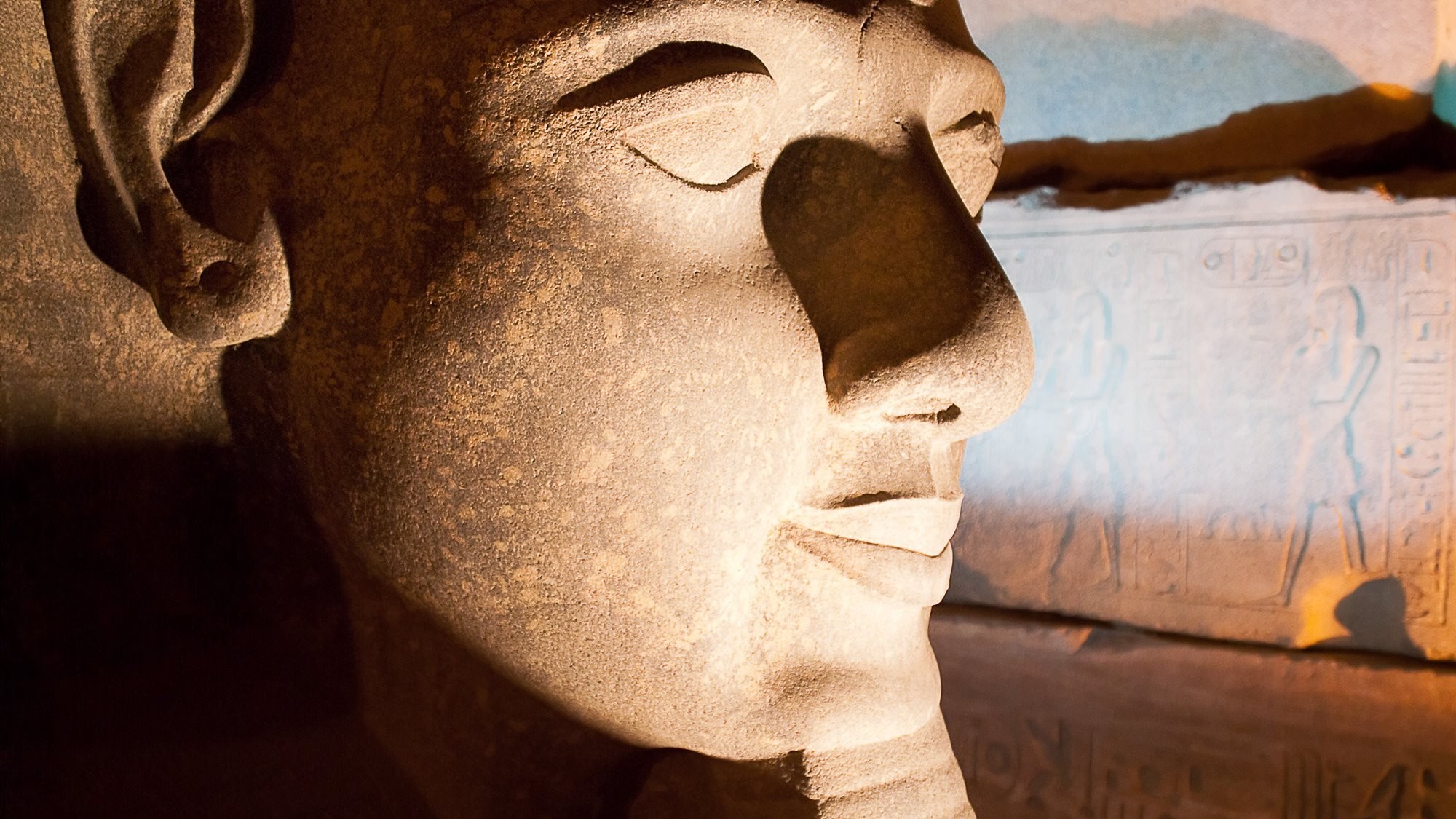
Constructed on a reclaimed coal mine, the designers wanted visitors not to be able to see where the landscape ends and the building begins. And they succeeded. The park is as much an attraction as the state-of-the-art museum – itself an extension of the Louvre Museum in Paris. The main, permanent exhibition is the ‘Galerie du temps’, in which 200 artefacts from the 4th millennium BC to the mid 19th century are displayed in chronological order. These objects represent various techniques and civilisations. The museum also hosts important temporary exhibitions.