Travel Guides by Experienced Archaeologists & Historians

Amphitheatres of the Roman World

Colosseum Logo Green
The Colosseum in Rome is one of the most iconic monumental, archaeological sites in the World; as well known as the pyramids in Egypt or the Great Wall of China. This is the largest and best preserved of all the surviving Roman amphitheatres, of which there are said to be around 230. The ruins of these ancient buildings can still be visited throughout what was the Roman Empire, from Wales in the west, to Syria in the east, Scotland in the north, and Libya in the south.

Not all surviving amphitheatres are as spectacularly well preserved as the Colosseum in Rome, also known as the Flavian Amphitheatre. Although some are so well preserved they are still used for events and concerts today, such as the amphitheatre in Nîmes, for others very little remains. Of the recently discovered London amphitheatre, for example, all that remains are the foundations of what served as the east gate to the arena. The manner in which these more modest remains have been prepared for display is sometimes quite exceptional – and for anyone exploring the history of this important city, this exhibition should not be overlooked.

Of course there is a whole range of partially and fully reconstructed amphitheatres. In the Provencal town of Fréjus in southern France, the restoration of the amphitheatre has enabled the remains of the Roman construction to be saved. While the amphitheatre in the Archaeological Park at Xanten in Germany is being rebuilt following the plans of its Roman predecessor. And for some, we just have a marker indicating where the amphitheatre once stood. Such as the amphitheatre in Ulpia Noviomagus Batavorum, modern day Nijmegen – the only known Roman amphitheatre in the Netherlands.

What Are Roman Amphitheatres?

The Rise and Fall of the Roman Amphitheatre

Recommended Amphitheatres to Visit

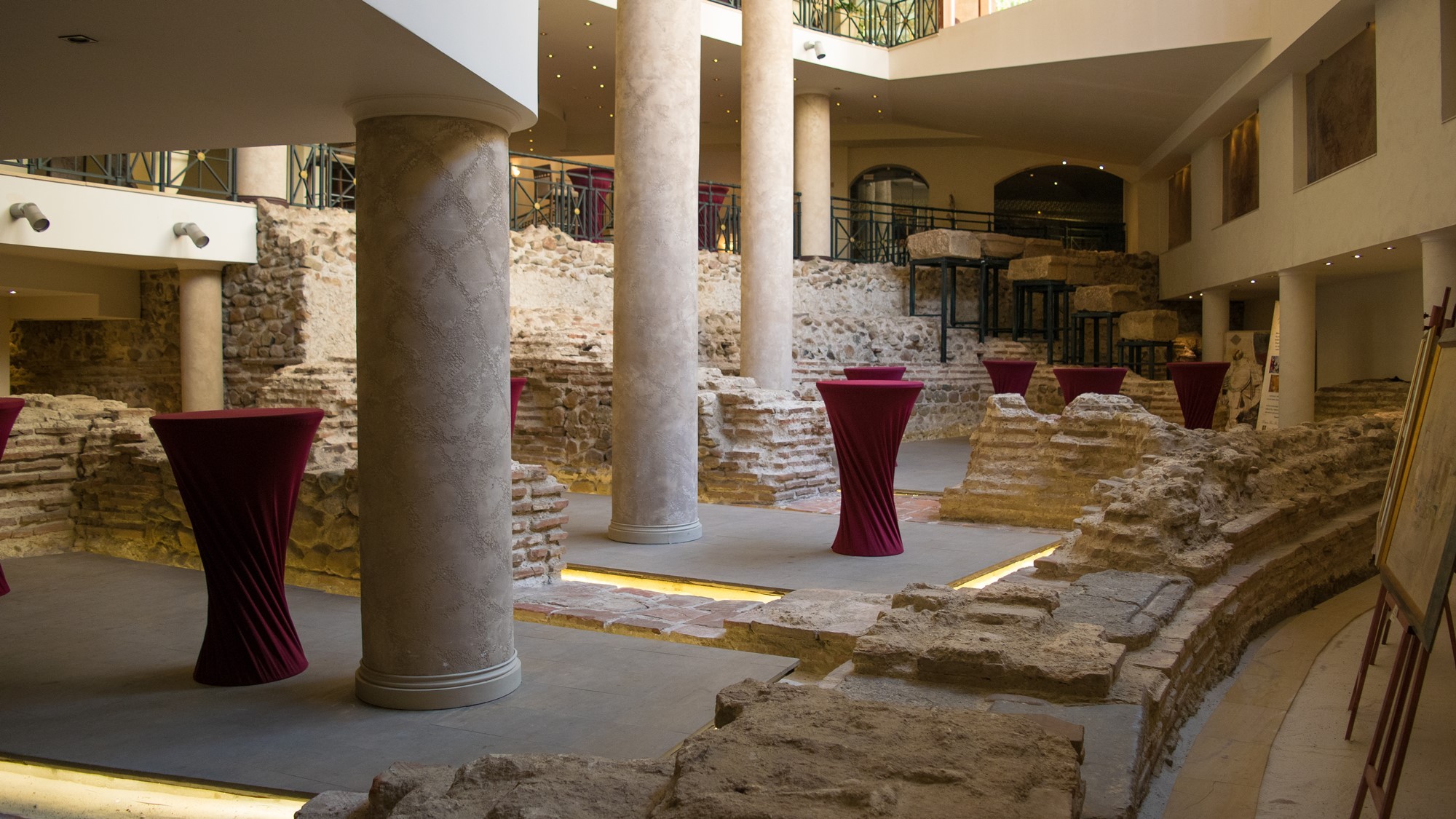
Amphitheatre of Serdica

In 2004 during excavations for the 5* Arena di Serdica Hotel builders came across a Roman wall. Following archaeological excavations, these remains turned out to be those of the amphitheatre built just outside the walls of the Roman city of Serdica. Coins discovered suggest that the structure was built in the 3rd or 4th century CE. And, beneath the amphitheatre are the remains of a 2nd century theatre. Remains of the amphitheatre have been restored for guests and visitors alike.

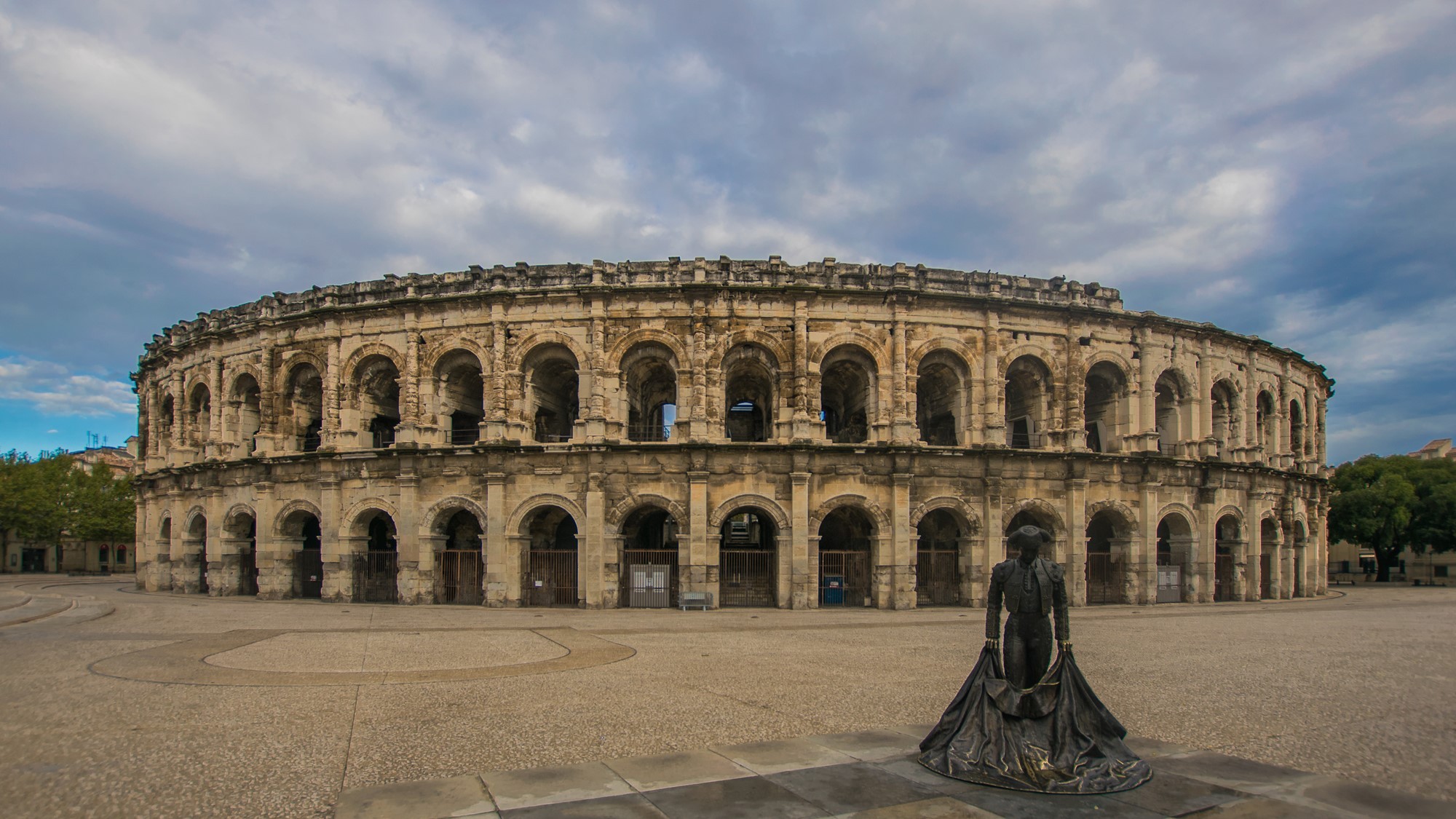
Arena of Nimes

The amphitheatre in Nîmes is widely regarded as one of the best preserved Roman amphitheatres. So well preserved is the structure that it is still used for a variety of events, although since 2009 it is in the process of being restored – a project that will last at least 25 years. It was built around 100 AD, shortly after the Colosseum in Rome, with an estimated seating capacity of 24,000. The amphitheatre was just inside the city wall, the position of which is marked in the paving surrounding the arena.

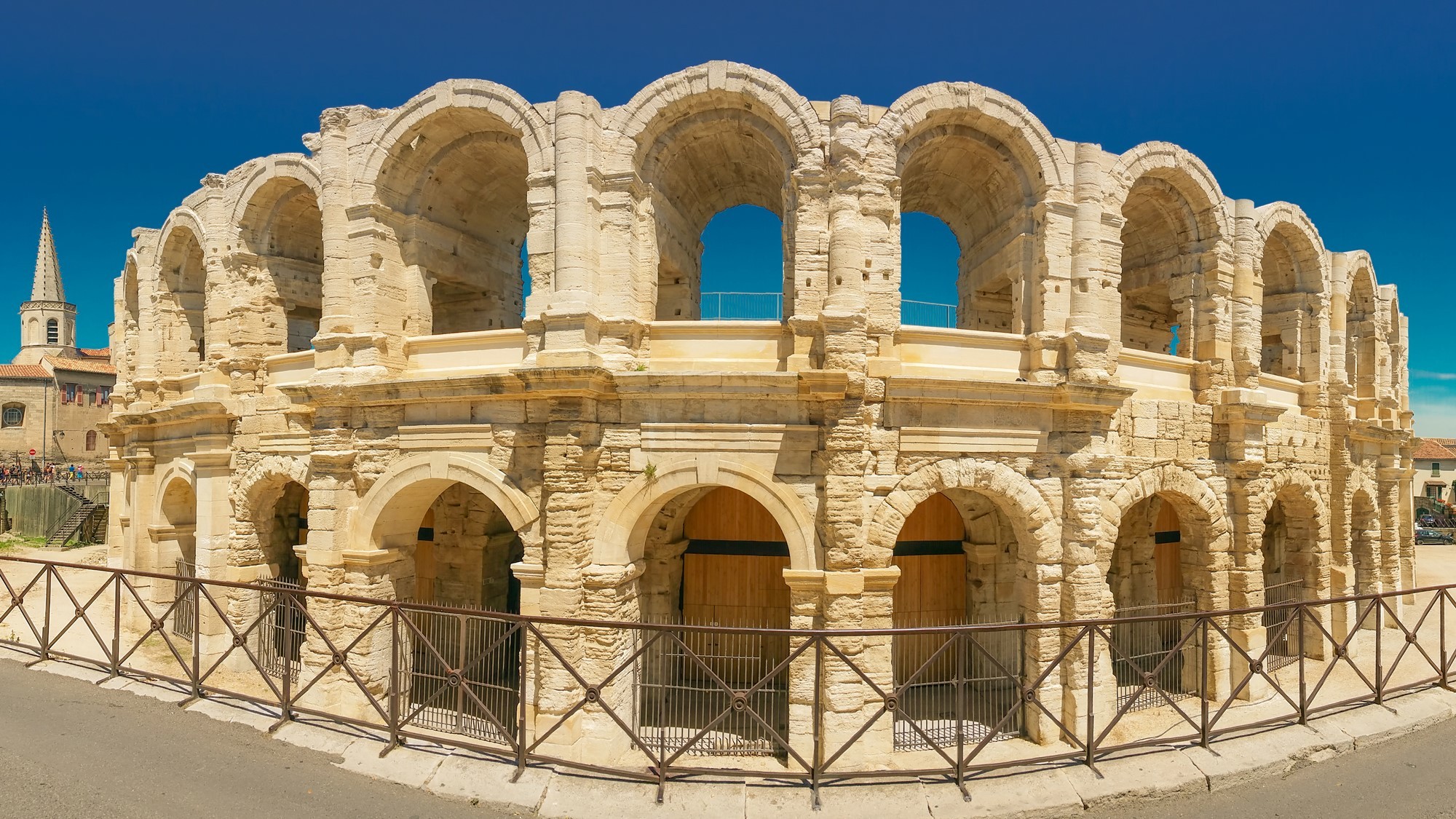
Arles Amphitheatre

One of the major attractions in Rome, the Arènes d’Arles was built by the Romans in the 1st century AD and is still used for entertainment today, as a venue for bullfighting during the Feria d’Arles in September and various musical events over summer. Although the structure is obviously Roman, it was modified during medieval times. The two towers are what remains of the amphitheatre as a fortress that up until the 18th century protected some 200 houses. These were removed in the 1820s.

Bordeaux Amphitheatre – Le Palais Gallien

A small part remains of what was once quite a large Roman amphitheatre, believed to have seated about 17,000 people. The amphitheatre was built in the 3rd century AD when Bordeaux, then known as Burdigala, was the capital of the Roman province of Aquitaine. It is thought that the amphitheatre was built to mark the visit to Aquitaine by the Emperor Lucius Septimius Bassianus. Visitors to Bordeaux will see the ruins called ‘Le Palais Gallien’, some say this is the palace Charlemagne had built for his wife Galiene.

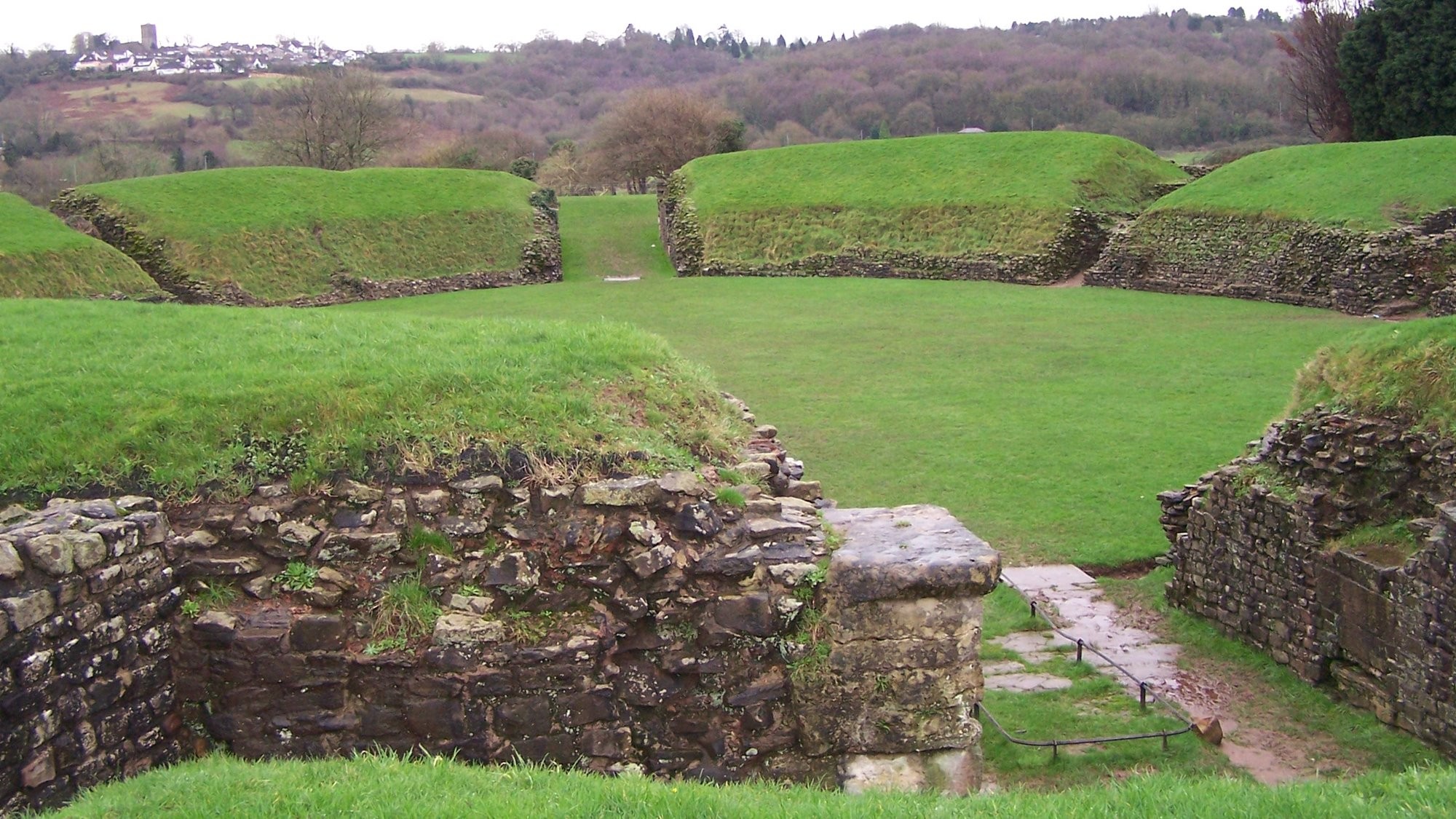
Caerleon Amphitheatre

The modern town of Caerleon is built on the remains of a Roman legionary fortress and settlement that was known by the Latin name of Isca Silurum. Located on the edge of today’s town is the amphitheatre, a well preserved example built around 90 AD. Containing 8 entrances, it would have seated about 6,000 spectators eager to watch blood sports and gladiatorial combat. The 12th-century writer Geoffrey of Monmouth alleged that the amphitheatre, because of its shape, was King Arthur’s Round Table. Archaeologists excavated the amphitheatre in 1926.

Chester Roman Amphitheatre

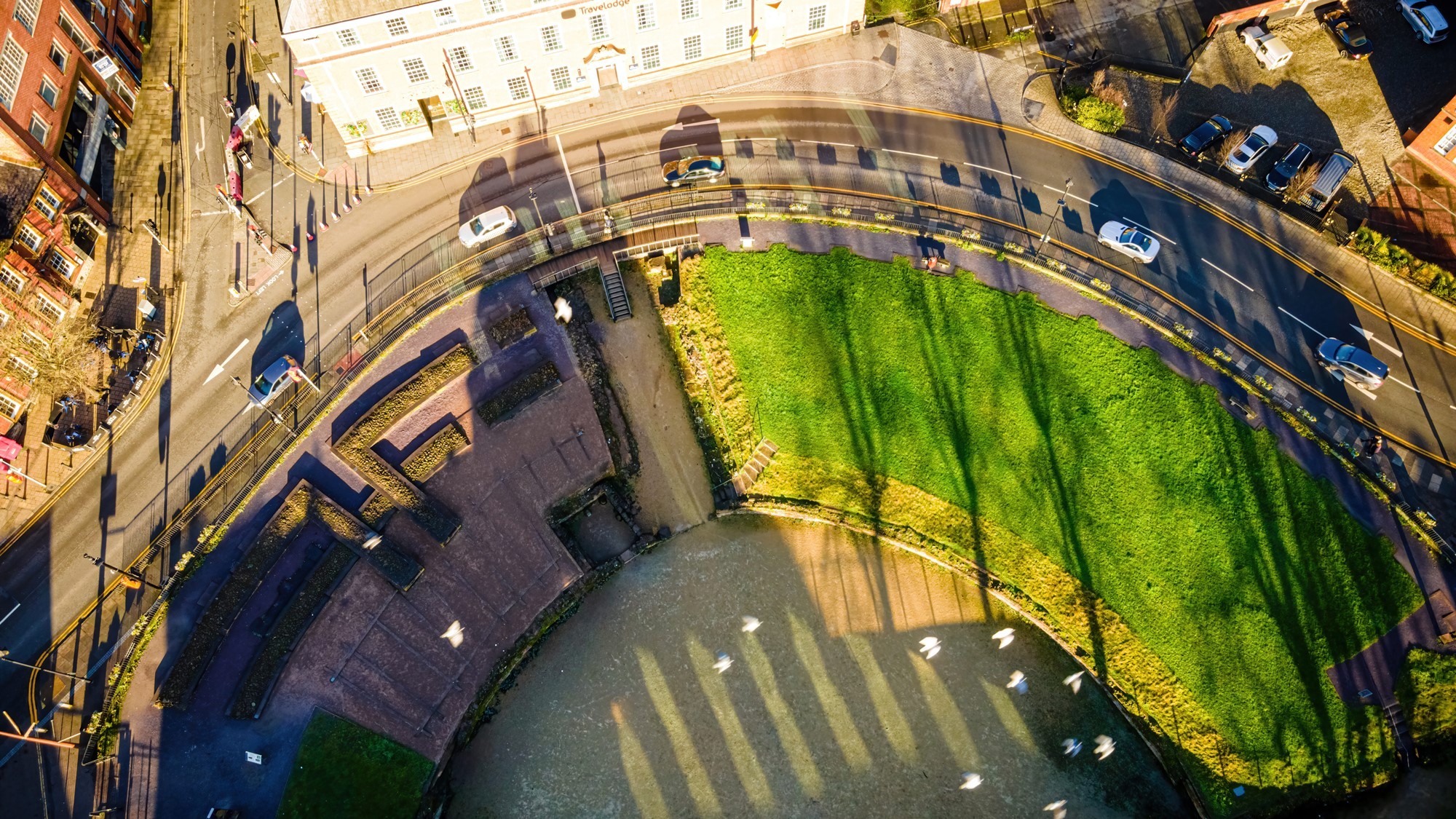
Dating from the 1st century AD, the Chester’s amphitheatre is the largest known stone amphitheatre in Roman Britain. It was located southeast of the legionary fortress, and used for both entertainment and military training. Recent excavations revealed that by 120 AD the amphitheatre was all but abandoned, but it was bought back into use in around 275 AD following some rebuilding. It remained in use until about 350 AD. Today only two fifths of the amphitheatre is exposed, the rest lies unexcavated.

Cirencester Amphitheatre

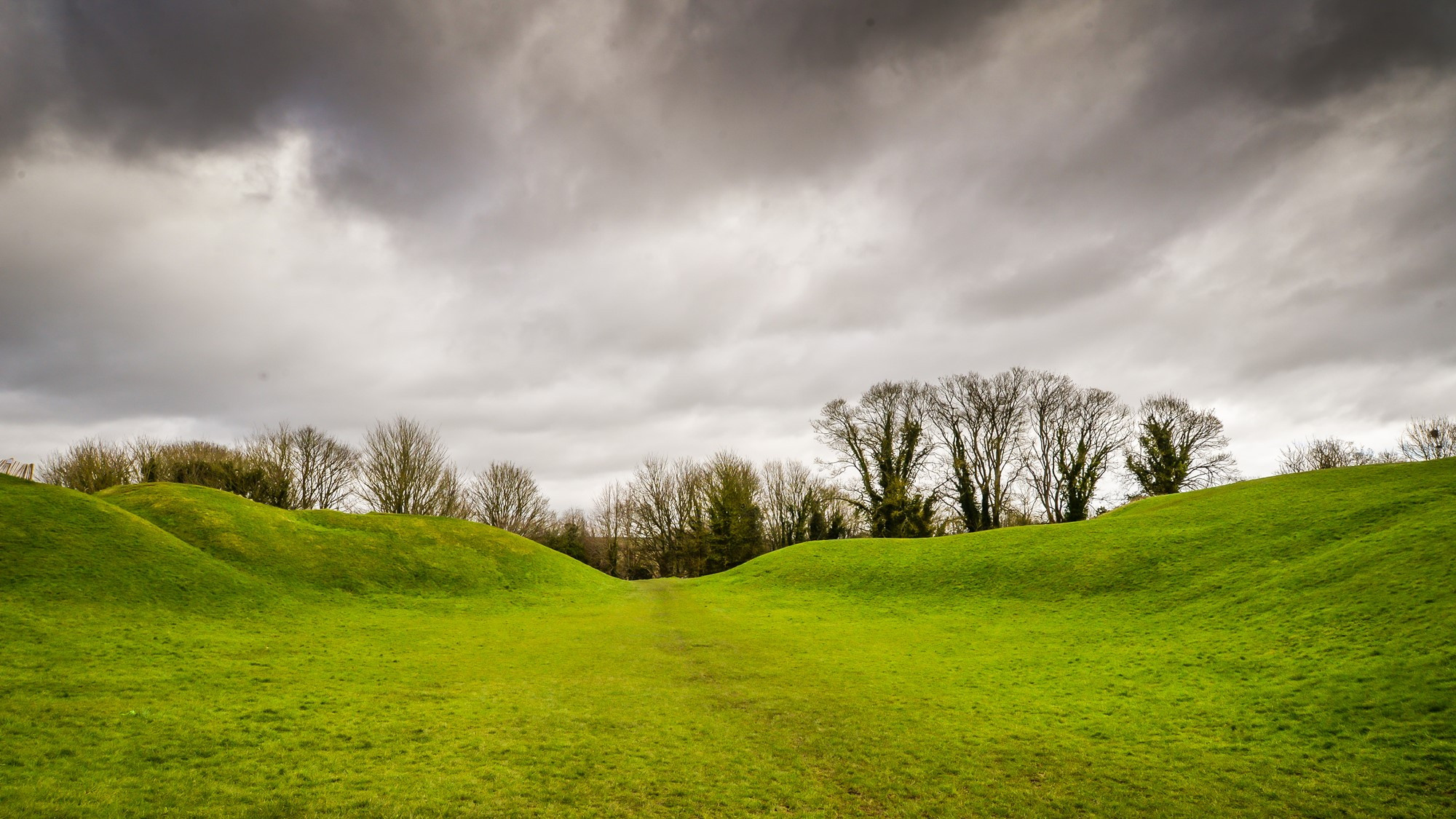
On the outskirts of Cirencester are the remains of what was one of the largest amphitheatres in Roman Britain. At its maximum capacity it could have held around 8,000 people, there to watch animals and gladiators fight and be killed. It was fortified in the 5th century AD, a period of great turbulence. In the Middle Ages, the amphitheatre was converted into a rabbit warren and may also have been used for bull-bating. The site has been excavated by archaeologists and is freely accessible for those who want to visit.

Durrës Roman Amphitheatre

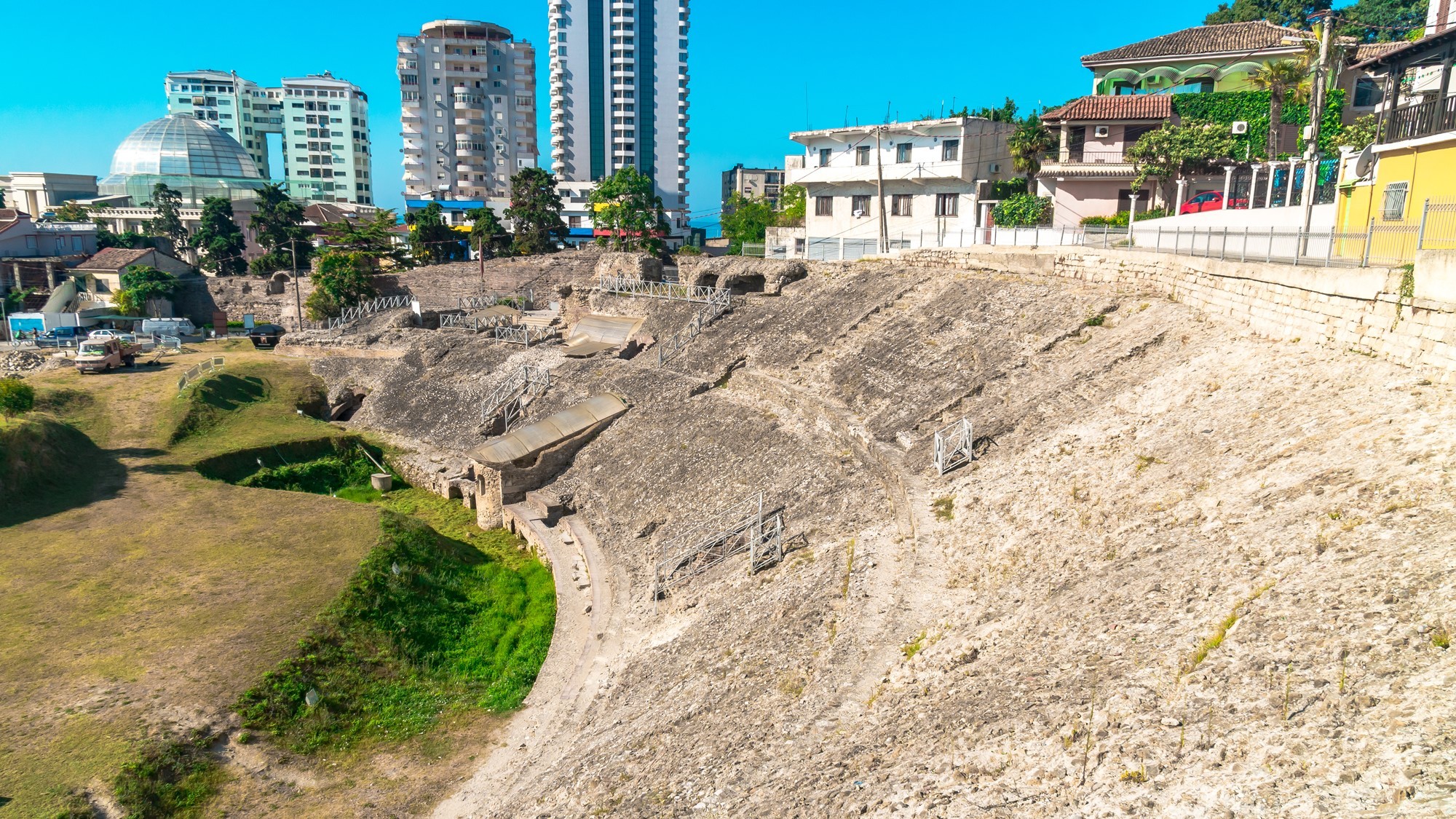
At 136 m by 113 m and seating an estimated 20,000 spectators, the Roman amphitheatre in Durrës is the largest on the Balkans peninsular. It was built in the second century BC during the reign of Emperor Trajan, and was still in use up until the 4th or 5th century AD. About a third of the structure was uncovered in the late 1960s, while the rest not until the 1980s. Preserved inside the ruins of the arena are the remains of a small chapel that is dedicated to the first bishop of Durrës Saint Astius.

Flavian Amphitheatre

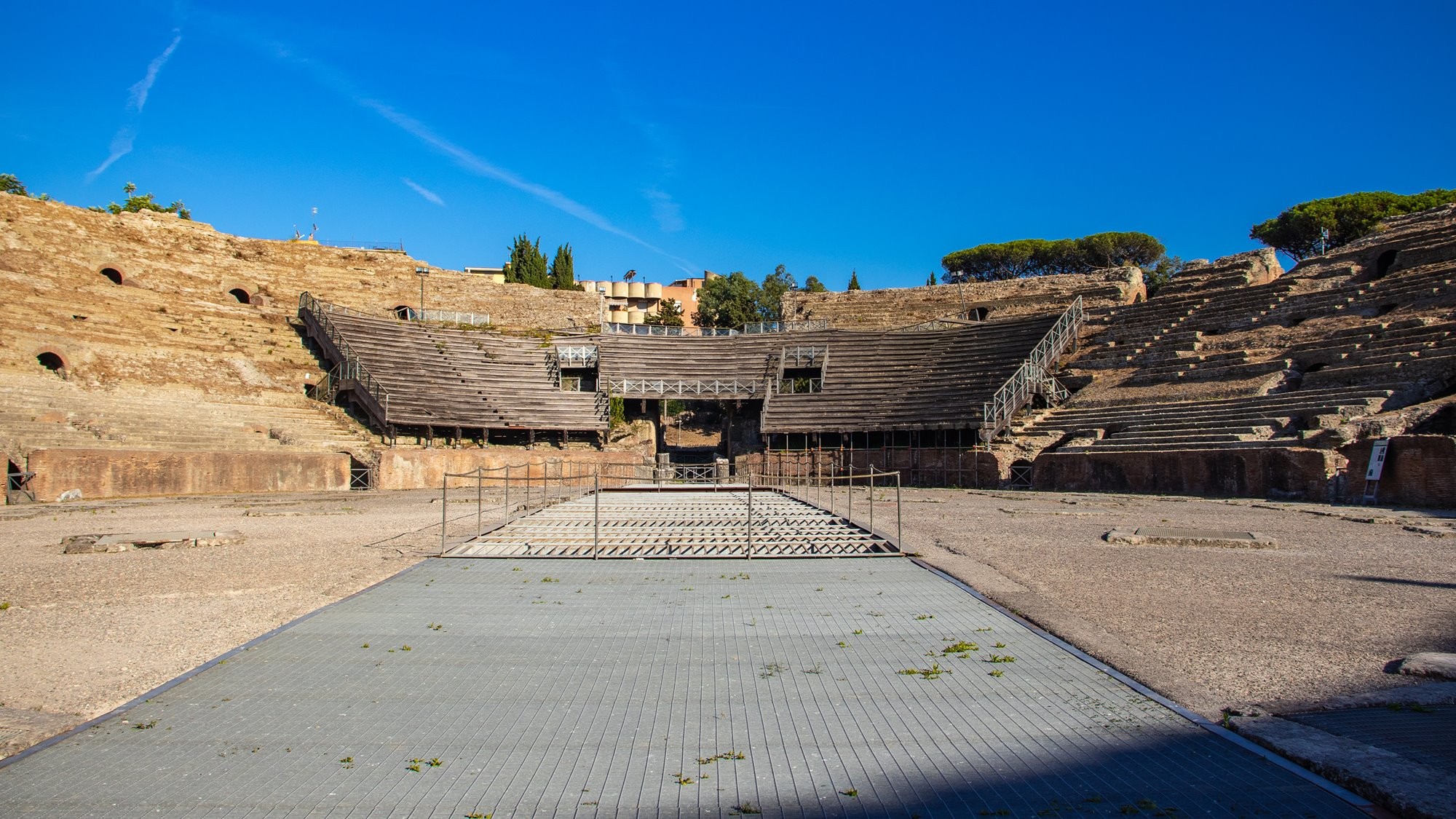
The Flavian Amphitheatre in Pozzuoli is said to be the third largest Roman amphitheatre in Italy. Constructed during the first century AD, the amphitheatre is remarkably well preserved, with an interior that is mostly intact. Parts of the gears that were used to lift animal cages up on to the level of the arena can still be seen here. It is thought that this particular amphitheatre was built by the same architects that built the Colosseum in Rome – which was also known as the Flavian Amphitheatre.

Gennes Roman Amphitheatre

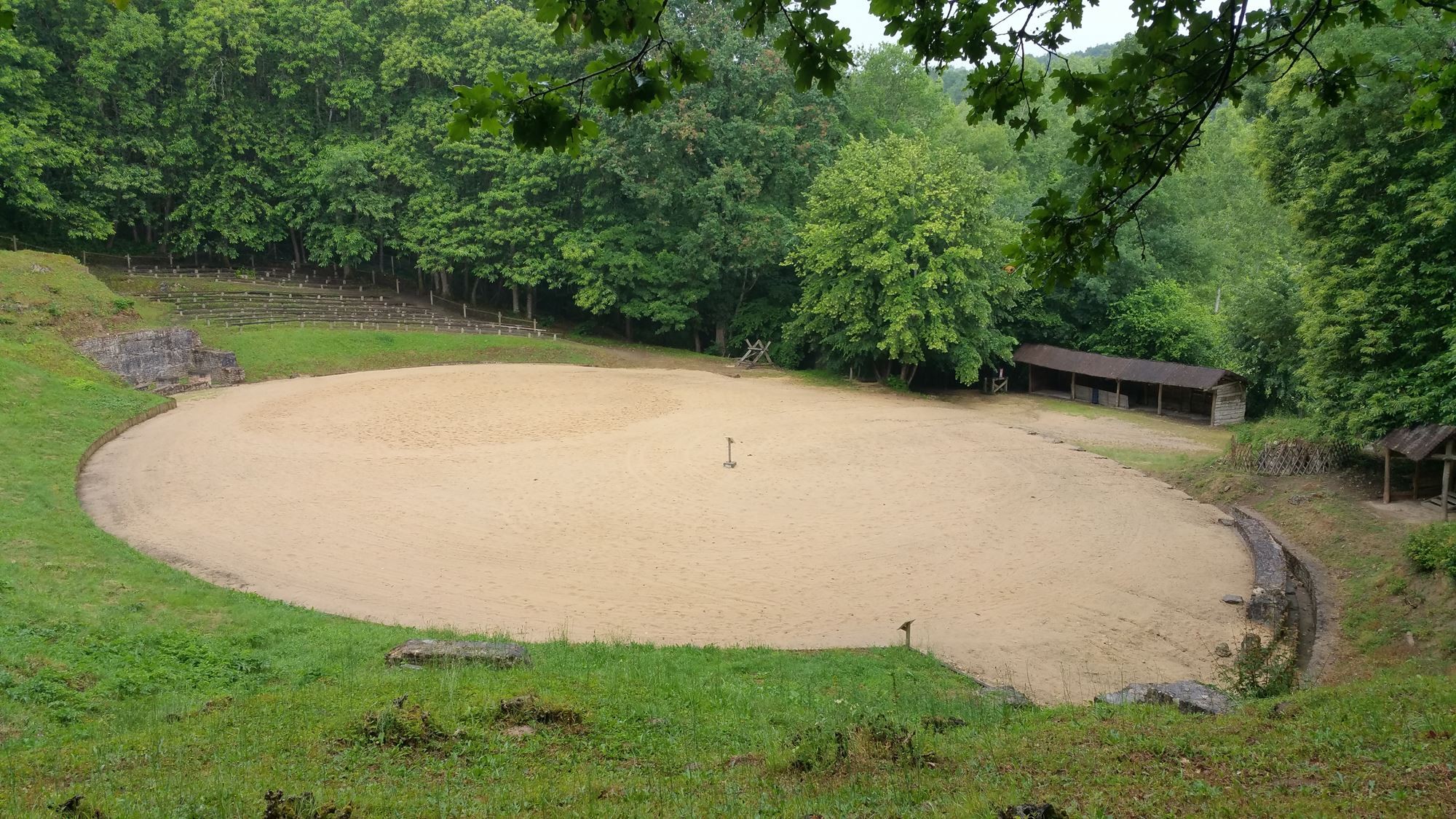
This Gallo-Roman amphitheatre is thought to have been one of the largest in north-west France. The typically elliptical arena measures 44 by 39 metres, with a semi-circular cavea thought to have been able to seat around 5,000 spectators. The basic outline and shape of the amphitheatre, as well as a number of architectural features, is well preserved and easy to see, but they have been enhanced by extensive excavations. These include three rooms at the edge of the arena that would have been used for performers.

London's Roman Amphitheatre

The east gate the London’s Roman amphitheatre was discovered underneath the Guildhall Art Gallery in 1985 during the construction of a building to replace the gallery building that was destroyed during World War II. These meagre remains have since been conserved in situ for visitors in the basement of the art gallery, next to London’s historic Guildhall. An innovative presentation adds to the archaeological remains to give you an idea of how 7,000 spectators would have been seated on tiered wooden seats.

Maumbury Rings

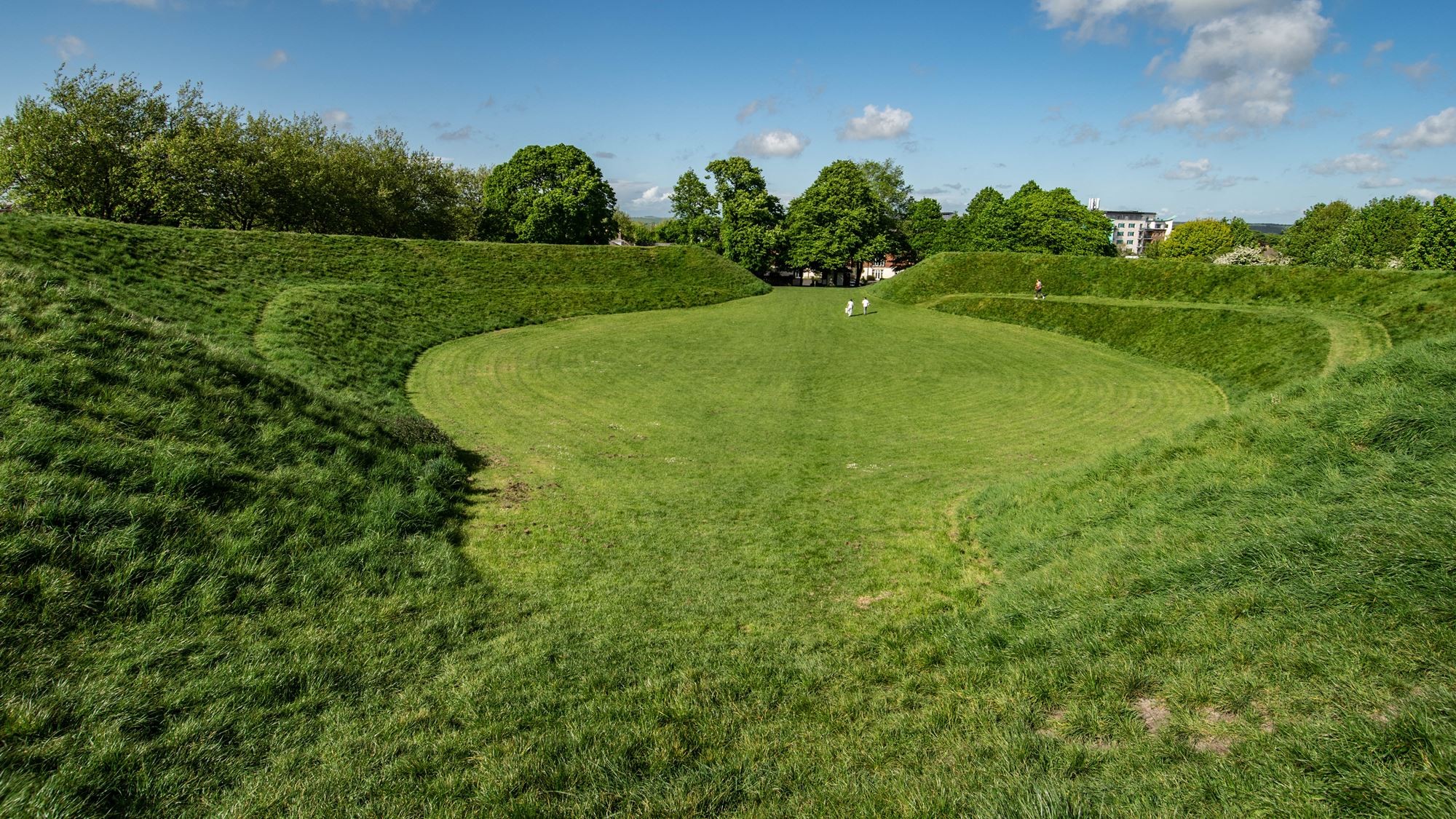
Maumbury Rings is an archaeological site that began as a Neolithic henge. The henge ditch was then modified by the Romans to create an amphitheatre. The oval flat area was the arena and the grass covered banks the foundations of the seating, estimated to be about 13,000. During the Civil War of the 17th century the site was used as a defensive fort. The site is a short walk to the Dorset County Museum, where numerous artefacts recovered from extensive excavations can be seen.

Paris Amphitheatre - Arènes de Lutèce

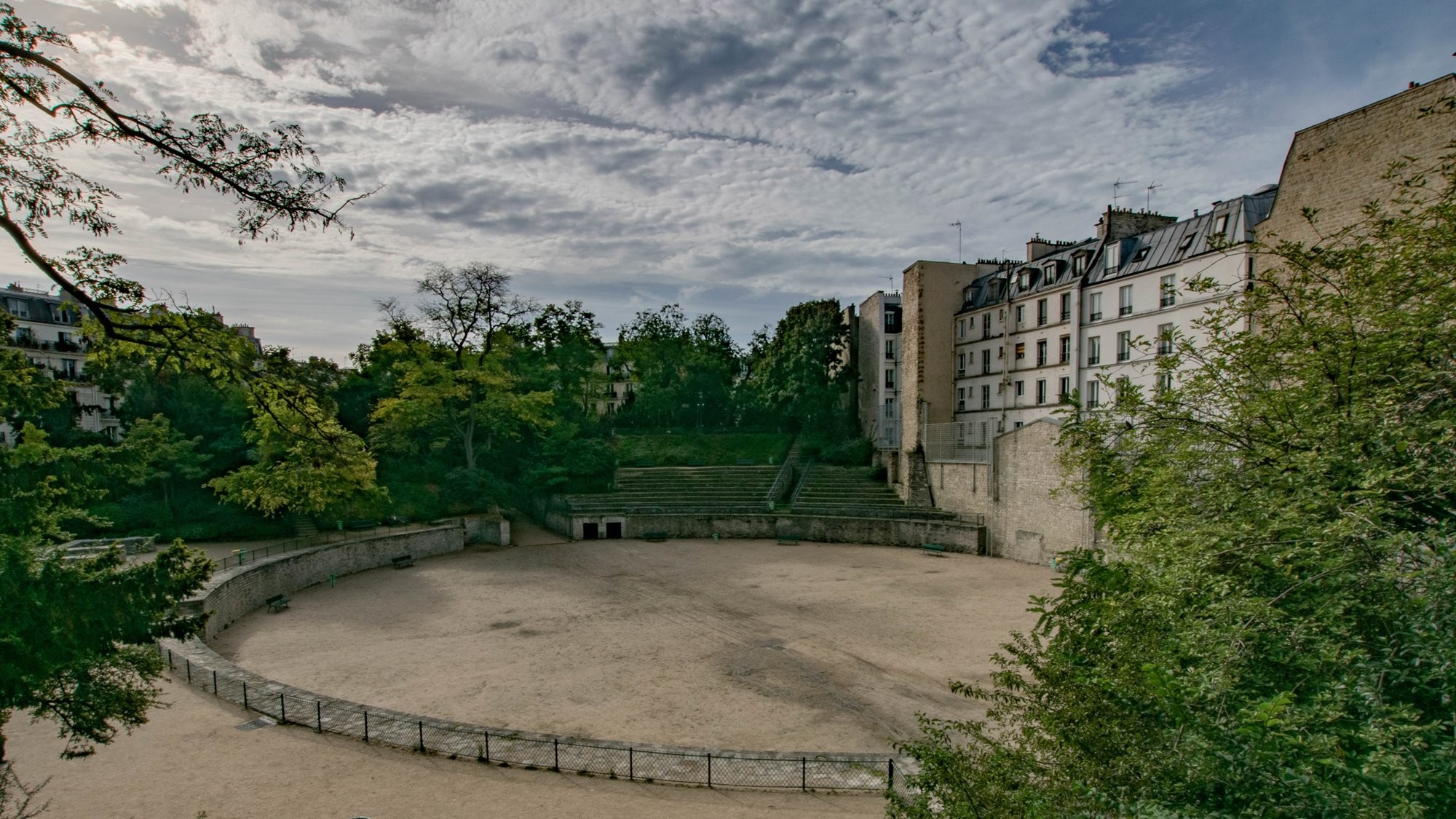
Although much of the amphitheatre is a recent reconstruction, it is nonetheless an important part of the Roman heritage of Paris. Constructed in the 1st century AD, and seating about 17,000 people, the amphitheatre was used for both theatrical performances as well as gladiatorial combats. The arena was destroyed by Barbarians in 280 AD, and it came to light again in 1860 during building works. A campaign to save and restore the amphitheatre was successfully lead by Victor Hugo; it was reopened as a public square in 1896.

Pompeii

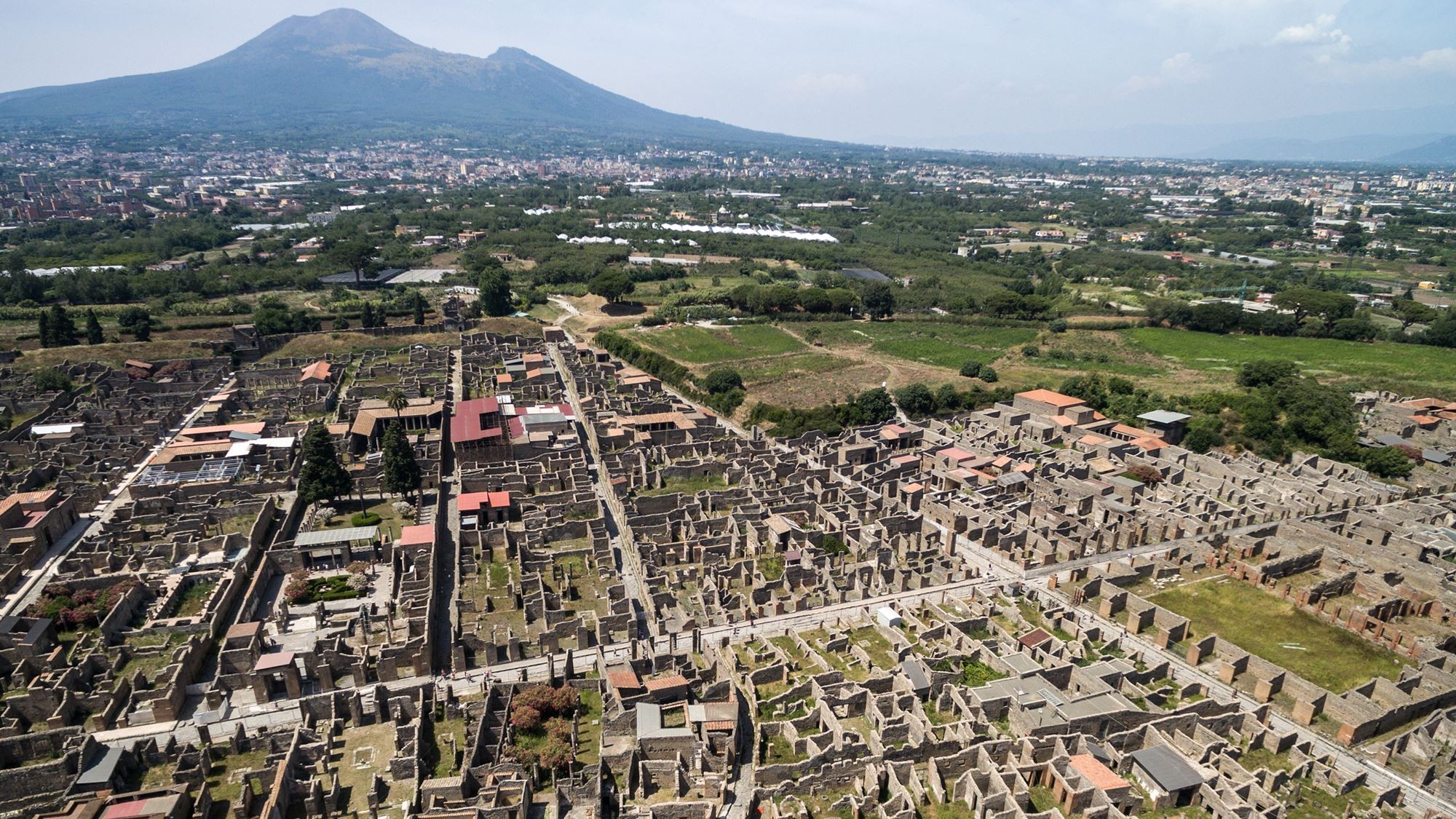
The archaeological site of Pompeii is one of the most well-known and much visited sites in the world. Pompeii was a Roman city that was buried under four to six metres of volcanic ash from the eruption of Mount Vesuvius in 79 AD. The site has been a tourist destination for about 250 years, and today over 2.5 million people visit each year making this one of the most popular attractions in Italy. For conservation reasons, only a fraction of the site is open to the public – but there is still much to see of the Roman city, including theatres, the amphitheatre, the forum, bath houses and residences with exquisite wall paintings.

Richborough Roman Fort and Amphitheatre

The Roman archaeological site at Richborough consists of the ruins of a once extensive Saxon Shore fort, built by the Romans as protection against Saxon raiders, and the earthworks of an amphitheatre. Excavations and geophysical survey show this unique site was used throughout the Roman occupation of Britain (from 43 to 410 AD) and that the amphitheatre had sloping rows of clay and mortar seats. A small on-site museum displays artefacts found here. Arrive by boat from nearby Sandwich to experience approaching the site as the Romans would.

Roman Amphitheatre of Larino

The amphitheatre, built in the 1st century AD, served the Roman city of Larinum, which was located on the border between the Samnite hinterland and the Adriatic coastal strip. Typically elliptical in shape, it is medium in size and could seat up to 11,000 people. The first two tiers of seats were carved out of sandstone bedrock, while the upper parts were constructed with brick. Due to the use of the building materials since the structure fell into disuse in the late empire, nothing is preserved of the upper elevations. Only that section cut into the sandstone remains. But visitors can still see the arena and podium, some vomitoria and the remains of the ambulatory.

Roman Amphitheatre, Cagliari

One of the best examples in Sardinia where an archaeological ruin merges with the modern city. It was built between the end of the 1st and the beginning of the 2nd century AD. Throughout its history it had many roles: it was the site of gladiatorial battles, a quarry, a family shelter and a concert arena. It is undoubtedly a symbolic place of the city of Cagliari, which can be admired from the streets that surround it. By paying a small ticket, it is possible to get closer to better observe it, but unfortunately, neither walking in the arena nor visiting its inner areas is allowed.

Roman Santa Maria Capua Vetere - Capua

The modern-day town of Santa Maria Capua Vetere is the location of the ancient city of Capua. Although the ancient features of the city relate to the Roman and medieval periods, the area was occupied as far back as the Bronze Age. Because of the town’s wealth and beauty, Cicero referred to Capua as Altera Roma – the second Rome. Remaining Roman features include the amphitheatre and Hadrian’s Arch. There are two local museums: Museo Archeologico Campano and Museo Archeologico dell’Antica Capua.

Roman Silchester – Calleva Atrebatum

The completely buried remains of the Roman town of Calleva Atrebatum, near present day Silchester, are still surrounded by what are considered to be some of the best preserved Roman town walls in England. Originally an Iron Age oppidum, the settlement was first occupied by Romans in about 45 AD and then abandoned by the 5th century. Outside the polygonal walls a relatively well preserved, albeit overgrown with trees and shrubbery, amphitheatre can be visited. There is a car park at St Mary’s church, from where it is easy to visit the amphitheatre and see the walls.

Saintes Roman Amphitheatre

Mediolanum Santonum was one of the first towns in Roman Gaul to have an amphitheatre – the Roman town was then the capital of the Aquitaine Province. The amphitheatre was built during the reign of Emperor Claudius between 40 and 50 AD. A typical elliptical structure, measuring 126 m by 102 m, the builders took advantage of the topography building it into the slopes of a small valley. Today the Arènes de Saintes is one the most popular attractions in the city.

Map of Roman Amphitheatres

The map shows all surviving  and known Roman amphitheatres. Click on the map or the following link to go through to the Interactive Map of the Roman World, where you can search for amphitheatres and other Roman sites. Clicking on the map links next to the name of each amphitheatre will take you to that amphitheatre on which ever map you choose, either a country map or the Roman map.

Besides finding the exact location, you can also zoom in on the map to get a bird’s eye view of the amphitheatres. The varying degrees of preservation are immediately apparent when looking from above. Some of the amphitheatres, satellite photograph permitting, are very well preserved and quite a few details can be seen – even from above. Others less so, but the general oval shape is easily discernible. In a few cases, Venafro in Italy or Agioi Deka in Greece, the amphitheatres were razed to the ground and other buildings constructed in its place – the shape and size of the amphitheatre can clearly be seen in the arrangement of the new buildings.

List of Amphitheatres Throughout the Roman World