Find Expert Guides • Plan a Personal Trip • Explore Our Pasts Consciously

World War II & the Holocaust in Paris & ÃŽle-de-France

Paris is not widely thought of as a destination where visitors can explore the stories of World War II. For a start, the city itself was not as visibly marked and dramatically scarred by the war as many other European cities were. More significantly, and for understandable reasons, the French capital tends to be overlooked for the D-Day Beaches. Perhaps most visitors know that Paris was occupied by the German Third Reich from 14 June 1940 to 25 August 1944. Few are aware, however, that beyond a few memorials and museums Paris has a number of poignant landmarks that tell the many, varied stories of a city under siege and an occupied nation’s complicity in the Holocaust.

Sites Related to the Occupation

On the morning of 14 June 1940, four days after the French government had fled their capital city, an advance guard of the German army entered Paris from the north east at Porte de La Villette. Ten days later, two days after the signing of the Armistice in Compiègne, Hitler toured the city – his first and only time in Paris. The city of light was officially and symbolically occupied.

Galerie nationale du Jeu de Paume

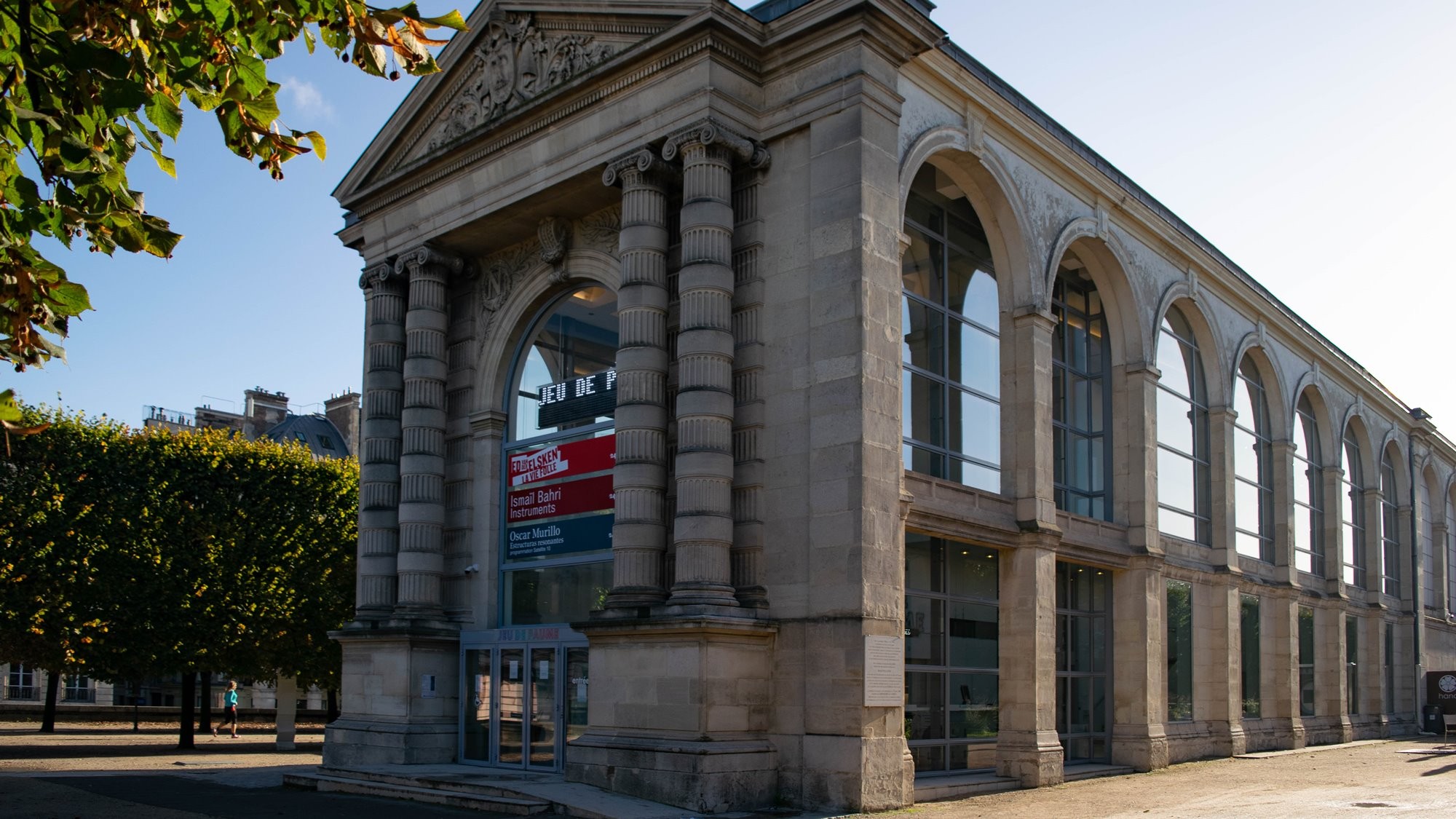
Shortly after Paris was occupied, the Reichsleiter Rosenberg Taskforce set up its headquarters in the Grand Orient de France, the largest Masonic Lodge in France. Initially they only collected books and archives belonging to Jews and Masons who had fled Paris. By October 1940, under Göring’s orders, the Taskforce was charged with collecting Nazi looted art. Art came from around France and Belgium to the Jeu de Paume in the Tuileries Gardens just off the Place de la Concorde. Rose Valland secretly documented this activity; her work features in the film Monuments Men.

German Army Headquarters – Saint Germain en Laye

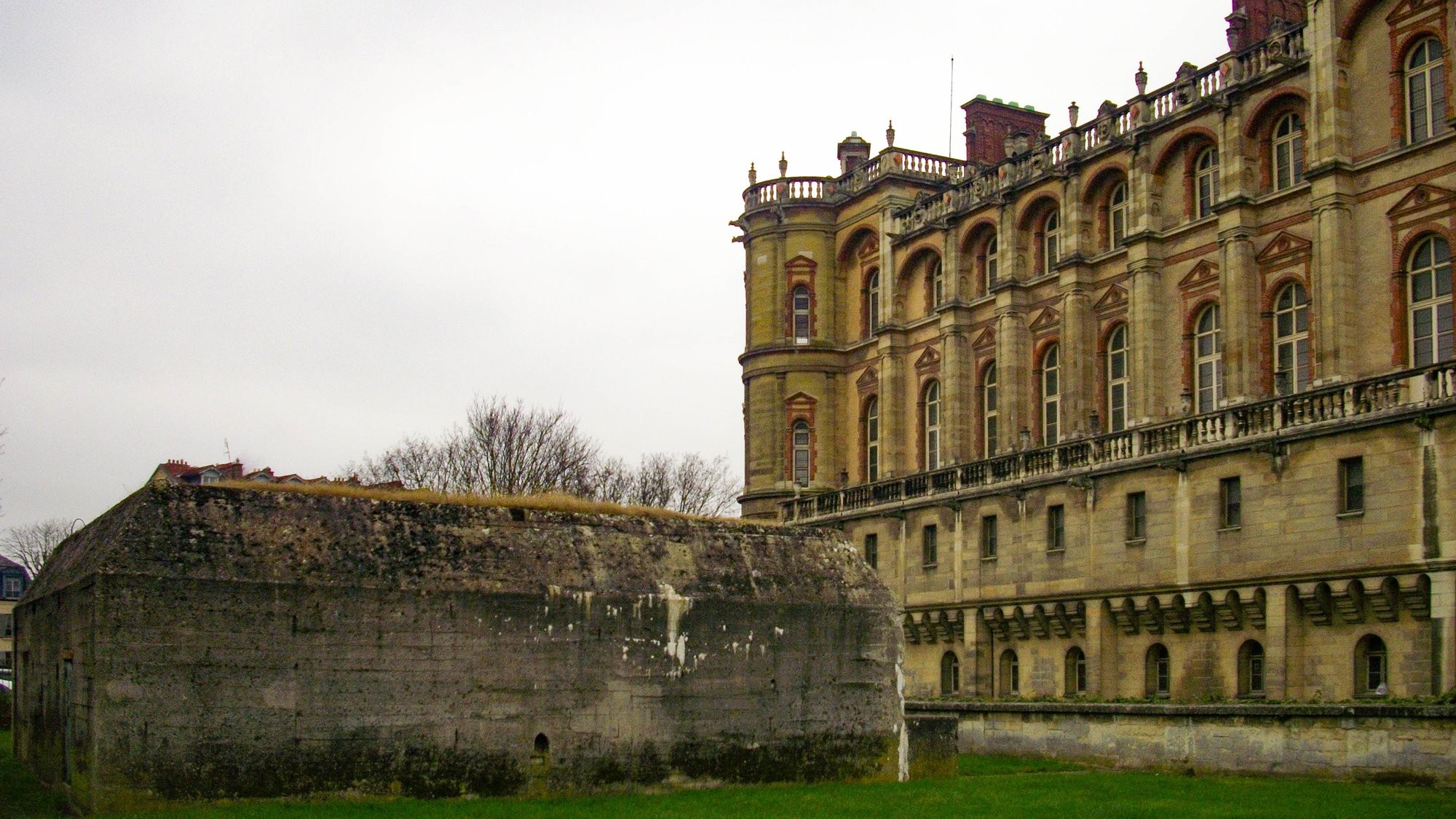
From 14 June 1940 to 25 August 1944 around 20,000 German soldiers and officers were based in Saint-Germain-en-Laye. The city was the headquarters of the German Army Command in the West (Oberbefehlshaber West), which under Field Marshal Gerd von Rundstedt was responsible for Operation Sea Lion – the planned Nazi invasion of Britain. Some 20 bunkers, erected to shelter soldiers in case of air attack, still exist today. One of these is alongside the Renaissance castle that today houses the National Archaeology Museum. Rundstedt set himself up in the Pavillon Henri VI, once a royal residence where Louis XIV was born, now a luxury 4* hotel.

Round Up & Deportation Sites

Bobigny Deportation Station

As a result of the arrival of a new German commando at Drancy in June 1943 and new deportation processes, Bobigny Station became a deportation station. Not only was the station more discreet (unlike Le Bourget, it was no longer being used by the public), it was also practical – long sidings made it easier to load wagons. From July 1943 to August 1944 about 22,500 people deported from France via Bobigny – Jews, political prisoners and homosexuals. Although services of remembrance first took place here in 1946, it is only since 2023 following a restoration of the memorial site, that regular visits have been possible.

Drancy Internment Camp

In the early 1930s the Cité de la Muette was hailed as the solution Paris’s housing problem. Innovative construction techniques were supposed to offer low-income families affordable but modern homes. When completed in 1937 the ‘garden city’ failed to impress, so the Ministry of War rented the apartment blocks for the Republican Guard. From July 1940 the Wehrmacht used the complex to house POWs before turning it into an internment camp for Jews, political prisoners, homosexual and other social deviants. From the summer of 1942, people were deported to the east, most for Auschwitz-Birkenau.

Le Bourget Station

Built in 1863 Le Bourget railway station, north east of the centre of Paris, was destroyed in the Franco-Prussian war of 1870. The station was rebuilt in 1871. It was from this station that 42 convoys carrying around 40,450 people were sent to the death camps in the east, mostly Auschwitz. The first convoy left the station on 27 March 1942 and the final one on 23 June 1943. Le Bourget was considered too public, and so deportations shifted to nearby Bobigny Station. Besides a plaque to commemorate these events, the station we see today is new, having been entirely rebuilt in 2008.

Vélodrome d'Hiver Roundup

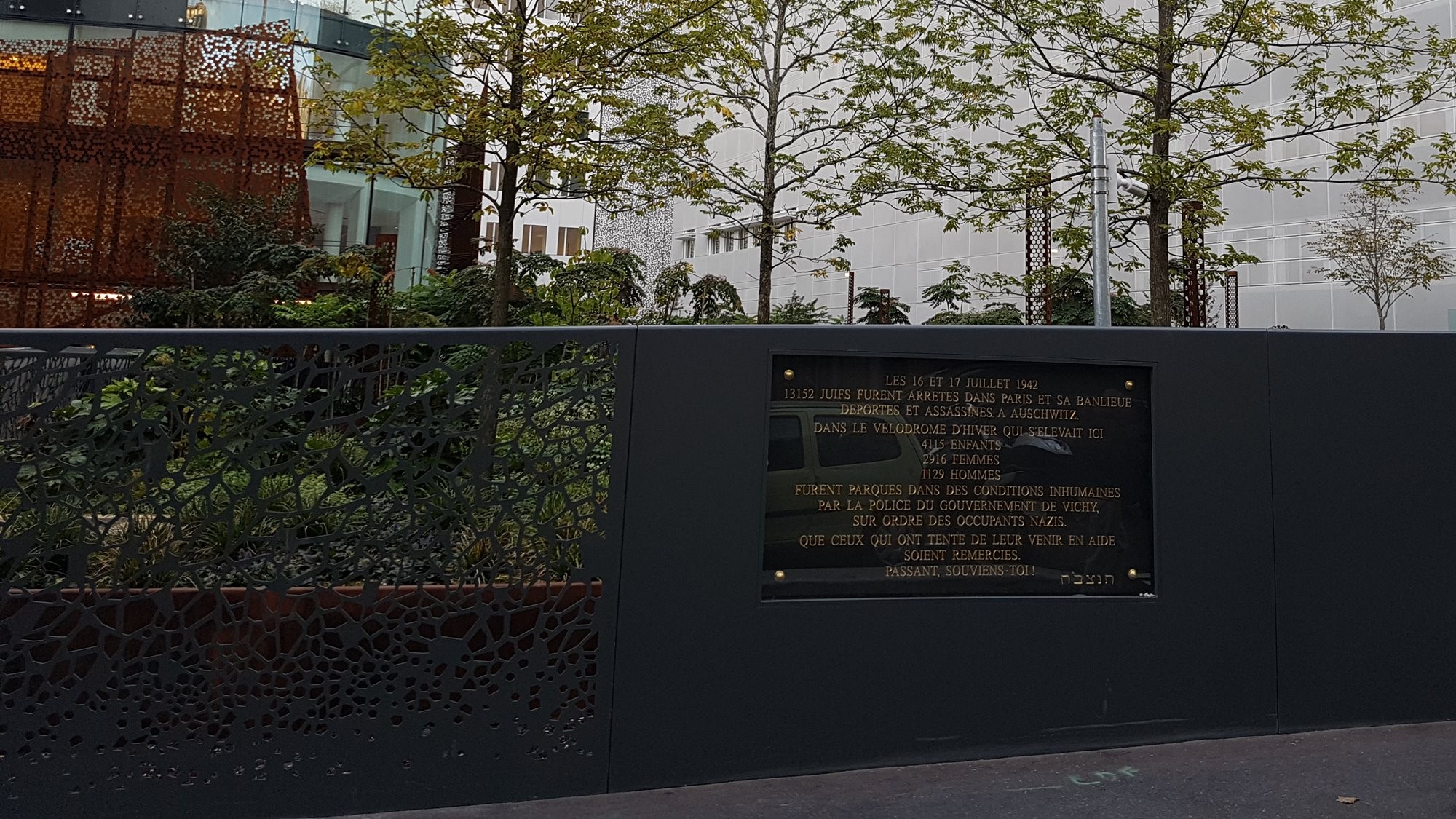
The Vélodrome d’hiver was the first permanent indoor cycle track built in France, 1909. In 1942 the French Police used the stadium to hold Jewish men, women and children rounded up in Paris on 16 and 17 July. Known as the Rafle du Vélodrome d’Hiver, commonly shortened to Rafle du Vel’ d’Hiv, police records list 13,152 individuals were rounded up in the mass raid on Jews in the city. They were held here for days in appalling conditions before being sent on to internment camps. The stadium was destroyed in 1959, and today plaques and memorials marks the site of the Velodrome.

Powered by GetYourGuide

WWII & Holocaust Memorials & Museums

Mémorial de la Shoah

Inaugurated on 27 January 2005, the Shoah Memorial in Paris and the Holocaust Center was initiated in the 1940s when Jewish leaders recognised the need for an archive of persecution by Nazi occupiers. Besides the archive there is also a moving memorial to the missing 76,000 or so Jewish men, women and children deported from France between 1942 and 1944 but who never returned. The alley along the north side of the memorial is now named Allée des Justes (Alley of the Righteous). Bronze plaques on the wall list the names of over 3,300 people – the Wall of the Righteous; people who helped Jewish communities during the Occupation.

Mémorial des Martyrs de la Déportation

Behind Notre Dame Cathedral, at the very eastern tip of the Île de la Cité is the Mémorial des Martyrs de la Déportation. Inaugurated by President Charles de Gaulle in 1962, this memorial pays tribute to 200,000 plus children, women and men who were Jews, homosexuals, gypsies, political opponents, and so deported from all over France to Nazi concentration camps between 1940 and 1944. A crypt contains the Tomb of the Unknown Deportee: an individual who died in the concentration camp of Neustadt. Each year on the last Sunday in April a memorial ceremony is held here to remember the Deportees from France.

Memorial to Fighting France

In the western suburbs of Paris, this is the most important memorial to French soldiers who fell in World War II. The monument is below Fort Mont-Valérien where members of the Resistance were held before being executed. Shortly after the war, the bodies of 15 men were interred in a temporary crypt on 11 November 1945. In 1958 de Gaulle commissioned a more substantive monument to commemorate the fighters who fought for France during WWII. The memorial, the main feature of which is a 150 metre wall of pink stone from the Vosges region of France, was opened on 18 June 1960.

Musée de l’Armée

The nation’s military museum is housed in the Hôtel national des Invalides. And with collections of weapons from at least the 13th century, this is one of the biggest museums of military art and history in the world. Three galleries tell the military story of the Second World War, from the ‘black years’ and the defeat of France to the ‘light years’ and the liberation of France. Also relevant to this period is the interactive multimedia gallery dedicated to the life and work of one of France’s greatest heroes, Charles de Gaulle; who in 1945 presided as leader over the Provisional Government of Free France.

Musée de l’Ordre de la Libération

The Ordre de la Libération was created by General Charles de Gaulle in 1940. In 1967 de Gaulle moved the organisation into Les Invalides. The museum contains three galleries and six rooms (total 1,000 m²) documenting the history of the Free French Forces, de Gaulle’s manuscripts, resistance activities, and the concentration camps. Showcases contain more than 4,000 objects including uniforms, weapons, clandestine press and leaflets, transmitters, flags taken to the enemy on the battlefields of Africa and Europe, the first naval flags of Free France, and relics from the camps. The hall of honour is dedicated to General de Gaulle.

Musée de la Résistance Nationale in Champigny-sur-Marne

On the banks of the Marne River in Champigny-sur-Marne is the Musée de la Résistance Nationale. Well over 2,000 objects, photographs and documents make up the largest collection of artefacts relating to the French Resistance and WWII. These items tell the story of the origins of the resistance movement, as well as the contribution its members played in the liberation and development of post-war France. A programme of temporary exhibitions complements the permanently exhibited story of the French Resistance. Although beyond Paris, the museum is easily accessible by public transport.

Place des Martyrs-Juifs-du-Vélodrome-d’Hiver

A promenade alongside the Seine River, and the Quai de Grenelle, was renamed in 1986 in memory of the roundup of Jewish citizens that took place on 16 & 17 July, 1942. An estimated 13,000 men, women and children were brought to the nearby Velodrome. On the square is a monument created by the sculptor Walter Spitzer and architect Mario Azagury. It depicts innocent civilians caught up in the raid: children, a pregnant woman and elderly individuals.  The base of the statue is curved as a reference to the track of the Vélodrome d’Hiver

Shoah Memorial at Drancy

Overlooking what was the Drancy Internment Camp, and a typical waggon used in the deportations, permanent exhibitions in the Mémorial de la Shoah de Drancy offer visitors a poignant experience. The history of the camp, life stories of the people who were interned here between 1941 and 1944, as well as accounts of deportations to eastern Europe that began in 1942 are told with numerous personal documents, letters, diaries, objects and photographs that have been collected since 1945 and in various collection drives for the memorial since 2007.

Interactive Map of WWII & Holocaust Sites

Recommended Books on occupied Paris, 1940 to 1944

Find More Sites to Visit in Paris & ÃŽle-de-France

Create Travel Lists & Itineraries for Your Paris Trip

Powered by GetYourGuide