Megalithic Sites in France
France has some of prehistoric Europe’s most fascinating megalithic sites. The area around the town of Carnac, on the southern coast of Brittany, is the most well known. Here you can explore many intriguing alignments of standing stones, the largest concentration being some 4 km long. There are also decorated burial chambers, such as Gavrinis and Locmariaquer. Megalithic sites can, however, be visited throughout France. From the Pyrenees in the south to Normandy in the north, the characteristic dolmen, two uprights with a capstone, and menhir, a single standing stone, are to be found in forests and fields almost everywhere in France.
Megaliths, Menhirs & Fairies
in North East Brittany
North eastern Brittany is well known for its medieval heritage. Here a handful of towns have retained a quaint Middle Age charm, attracting visitors throughout the year. This part of France also has much older megalithic sites that should not be overlooked. Not least because one of these sites is one of the largest of its kind. Thomas recently spent a few days tracking down many megalithic sites and researched the associated urban legends and myths.
Megalithic Sites in France
Dolmens & Passage Graves, Menhirs & Stone Alignments in Brittany
Brittany has the greatest concentration of prehistoric megalithic sites than any where else in the world where these sites are found. Here in the north-western region of France you can visit the world’s tallest standing menhir (as well as the world’s ‘tallest’ recumbent prehistoric menhir), the largest alignment of standing stones and the world’s biggest cairn, among many hundreds of other sites. The words dolmen and menhir, are Breton words, meaning table stone and tall stone respectively.
Alignement d'i Stantari
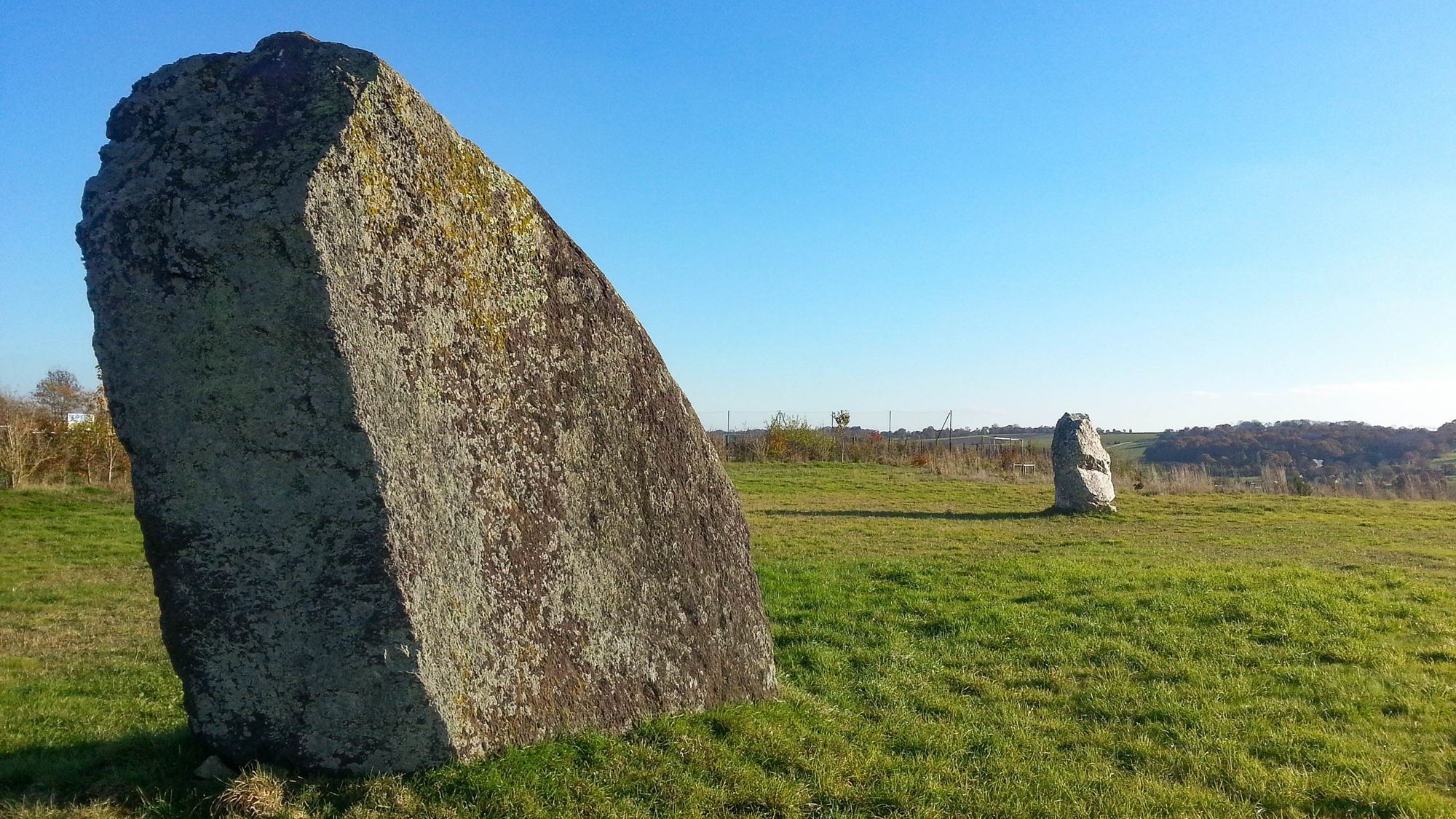
Today there are 11 standing stones, two of which are ‘menhir statues’, as they are carved with human features. These statues are amonst the most elaborate of the Corsican style of menhir statues. On the ground, and beneath the ground’s surface there are over 100 fragments, indicating there were many more stelae. The rock used is granite, not local. Archaeological research at the site revealed three phases of construction, the first mid Neolithic, around 4500 to 4100 years ago. The final at the end of the Bronze Age, 1300 to 900 years ago. This is one of the three sites at Cauria.

Alignement de Renaghju
This seemingly random collection of 28 short standing stones was a much more impressive site during the Bronze Age. Excavations from 1994 to 2000 revealed that there were over 170 monoliths erected in three phases making up four rows of stones running north-south. The remains of these other stones can be seen on their sides and/or partially buried. One of three megalithic monuments making up the Cauria archaeological site, they are easy to find. A walking tour of the three locations takes about an hour. Remember to take water and a hat – there is little to no shade.

Cromlechs von Lou Couraus
A collection of 16 stone circles part way up the side of the Ossau Valley. They range in size, from 2 m to 9 m in diameter, and the number of stones making up the circle, 18 to 26 monoliths. Together the circles form a line of about 50 m, some are more difficult to make out than others because of the vegetation. The hike to the cromlechs is an easy one, up a gentle 1 km slope that takes about an hour. Once at the top, besides the stone circles, you are reward with spectacular views on to the high peaks of the Pyrenees.

Dolmen de Bagneux
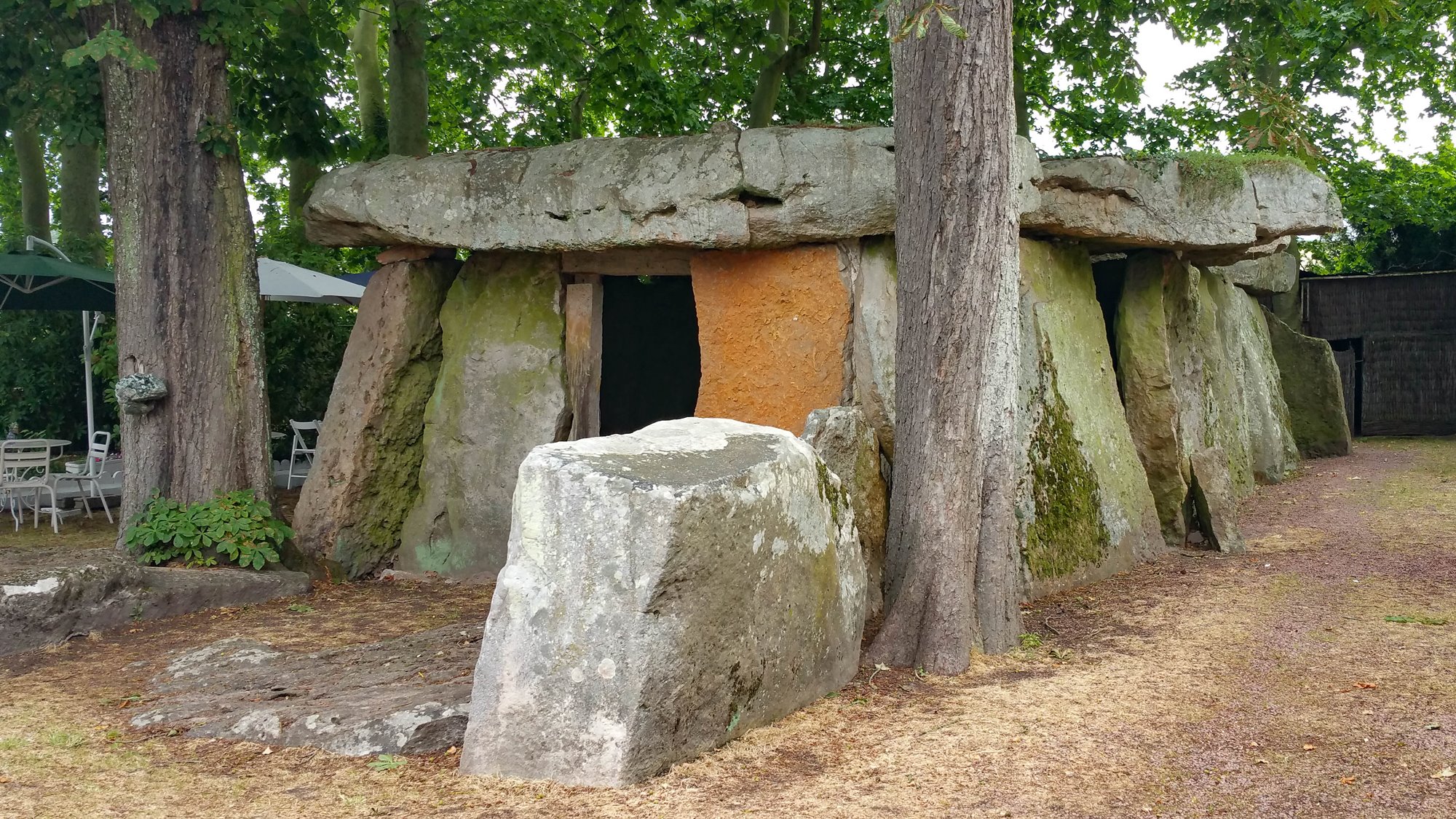
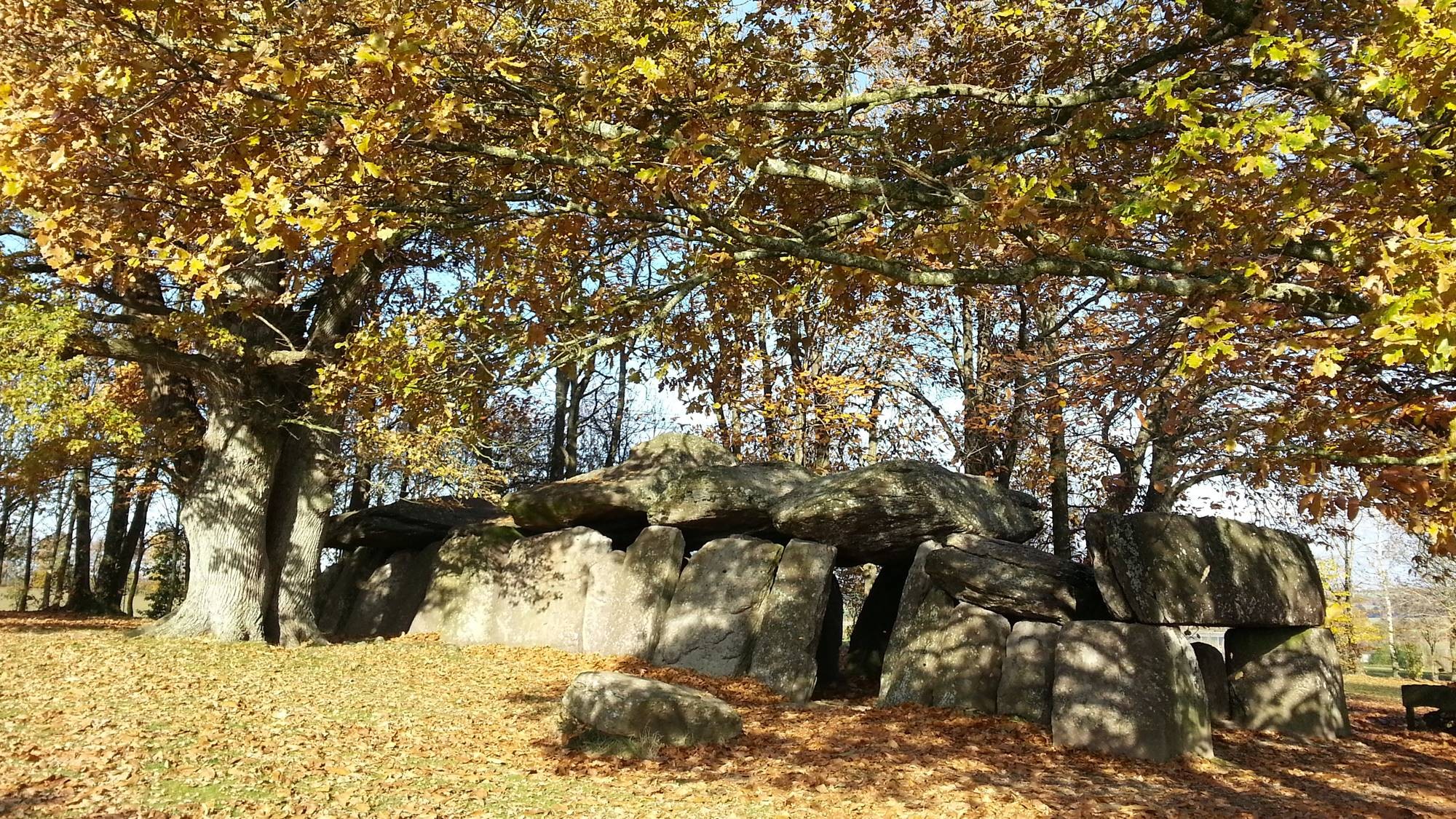
Located in a southern suburb of Saumur, the Dolmen de Bagneux is thought to the biggest of its kind in France, and perhaps even Europe. This dolmen, a typical Neolithic portal tomb – the chamber would have been used within which to place bodies of the dead, and is made up of 15 very large stones. The collective weight of these megaliths is estimated at approximately 500 tons. There are historical records of excavations in 1775, but no burial remains were recovered. Not surprising given the structure had been used as a barn.

Dolmen de Funtanaccia
Described by a 19th century French prehistorian as the most beautiful and best preserved dolmen in Corsica. It was then known as the ‘devil’s forge’. All that remains of the site is a dolmen, comprising 7 uprights and a single capstone. The stones are granite, while local rock is dolerite. The height inside the chamber is 1.7 m. Excavations in 2010 and 2013 revealed there was no archaeological deposit at the site. The dolmen is one of three megalithic sites that make up the archaeological site of Cauria. A well marked trail links the three, which takes about an hour. There is little to no shade.

Dolmen de la Madeleine
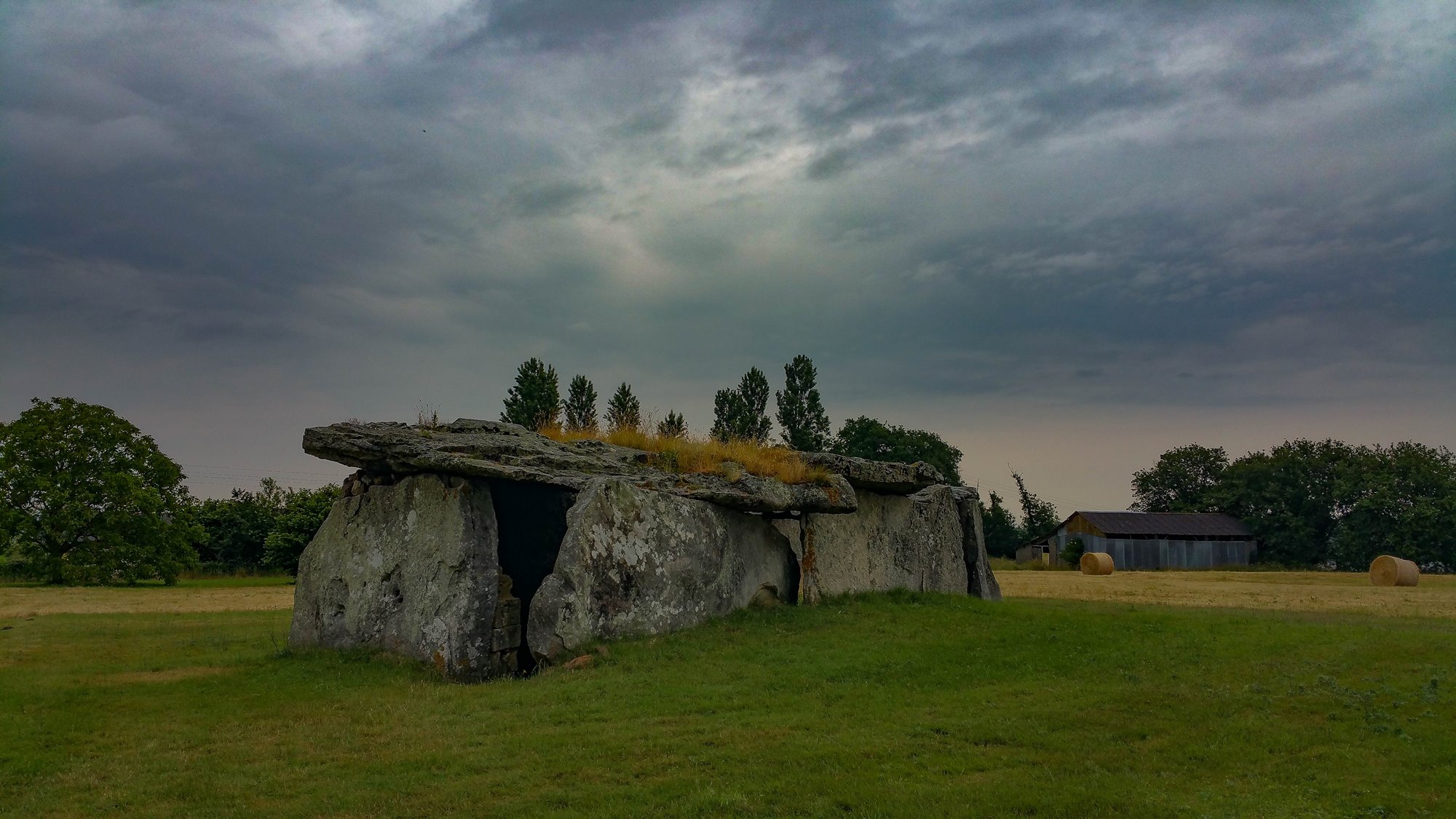
An isolated dolmen in a private field on the outskirts of the town of Gennes, on the banks of the Loire River not that far from Saumur. There are a number of these megalithic sites in the area – but this one is one of the larger ones – measuring 14 metres in length and with an interior height of 2.7 metres. Like many of the more substantial dolmens it has been used by local farmers for centuries. This particular dolmen was used to house a large bread oven; the remains of which are still present in the chamber


Dolmen des Fades
Known locally in the Occitan language as ‘Dolmen Lo Morrel dos Fados’, which translates as the dolmen of the hill of the fairies. Built around 5,000 years ago, it is the largest passage grave in southern of France. The circular tumulus has a diameter of about 35 m which is cut through with a passage and burial chamber – together about 24 m long. The rocks that make up the structure are local sandstone, except the slab covering the burial chamber which came from outcrops at least 3 km away. The site, free of charge, is signposted from the D168, and is easily accessible.

Filitosa
Filitosa is a complex archaeological site that was in use from the mid Neolithic to the late Bronze Age. Walkways and markers guide visitors on a route that takes in the main features of this the largest megalithic site in Corsica. These include monumental drystone walled structures (called towers), hut platforms and numerous menhir statues. Filitosa has the largest collection of decorated stelae in Corsica. The recently built onsite museum explores the prehistory of the site, as well as documenting its history from discovery to recent archaeological excavations.

Gravier de Gargantua
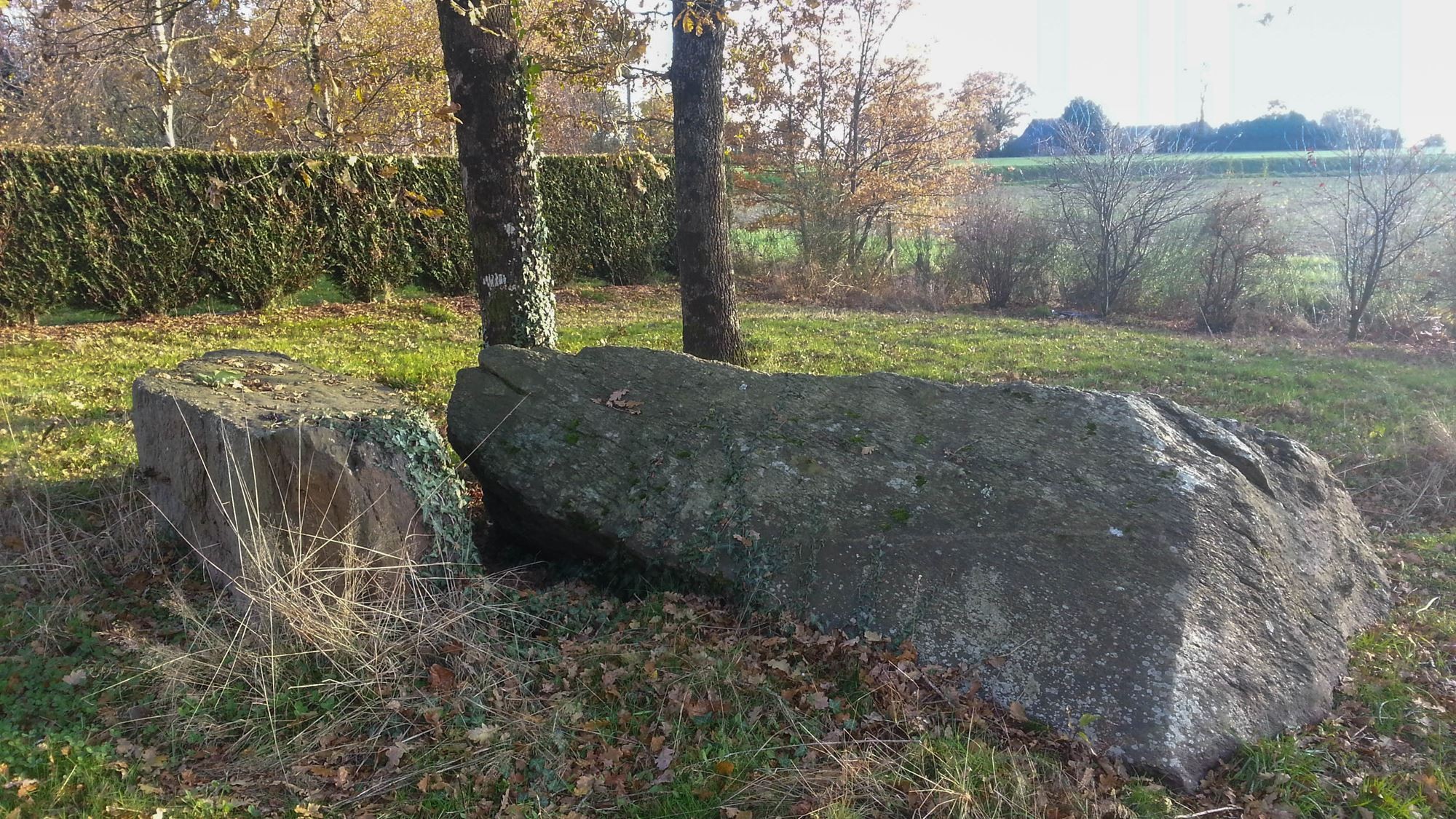
In a fenced off area on the side of the D313 running through the picturesque town of Port Mort is a single menhir. Thought to date to the Neolithic, on the basis of stone artefacts found nearby, the first recorded mention of the menhir is 1832. Some years later it was relocated to its present position to make way for a road. During the move, the section above ground was cut from the section underground (about a metre). Folklore says the menhir is a stone the giant Gargantua removed from his shoe when chasing thieves.

Saint-Eugène Passage Grave
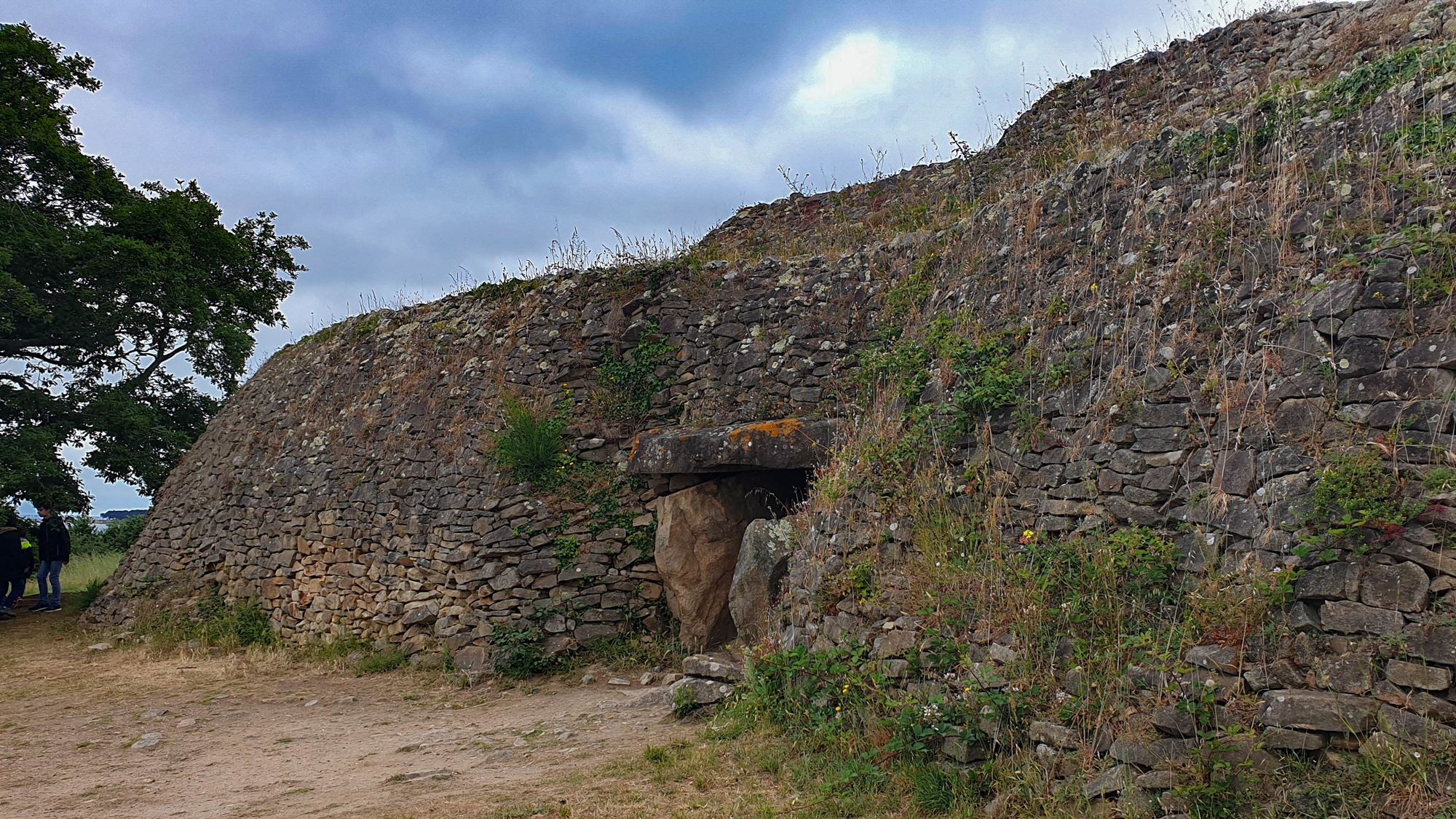
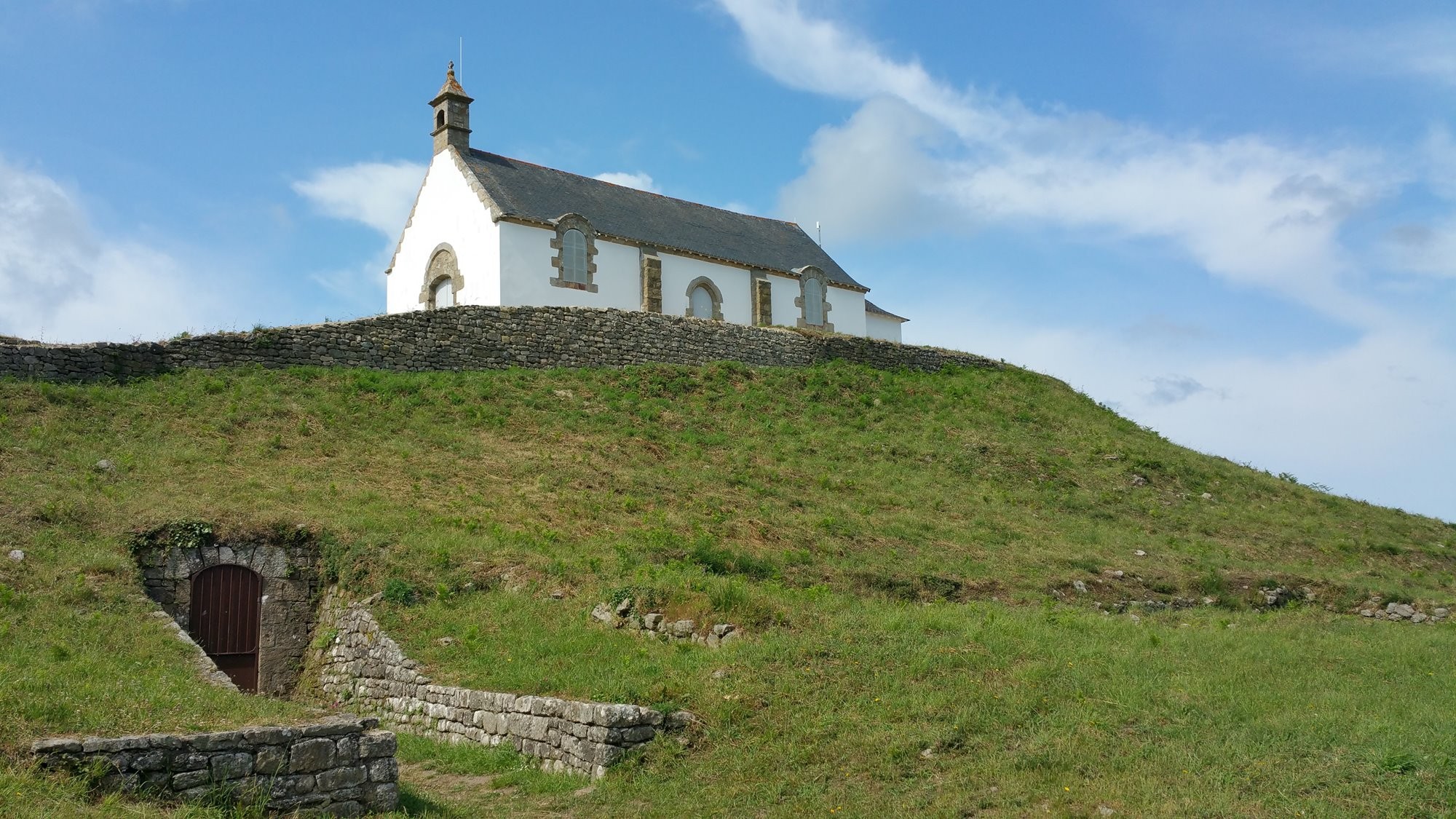
The circular cairn, about 25 m in diameter and 1 m high, is to be found in a forest clearing near the village of Tinal d’Abrens. Set within the cairn is a ‘passage’ that measures 16 m by 3 m. From this passage the remains of an estimated 300 individuals were recovered during excavations in the 1920s. The associated graves goods included obsidian blades, arrow heads, one gold bead and other items of jewellery (jade and shell), as well as animal teeth and numerous ceramic shards. It is thought the tomb dates to the beginning of the Bronze Age.

Prehistory Museums Associated with Megaliths in France
Aquitaine Museum, Bordeaux
In 1963 a number of different museums in Bordeaux amalgamated to form Le Musée d’Aquitaine. With over 70,000 objects, this museum covers the history of the Bordeaux region from prehistory to the 20th century in over 5,000 square meters of displays. The range of objects included is quite amazing, from carved bone of Palaeolithic age to carved stone from the medieval period.

Carnac Prehistory Museum
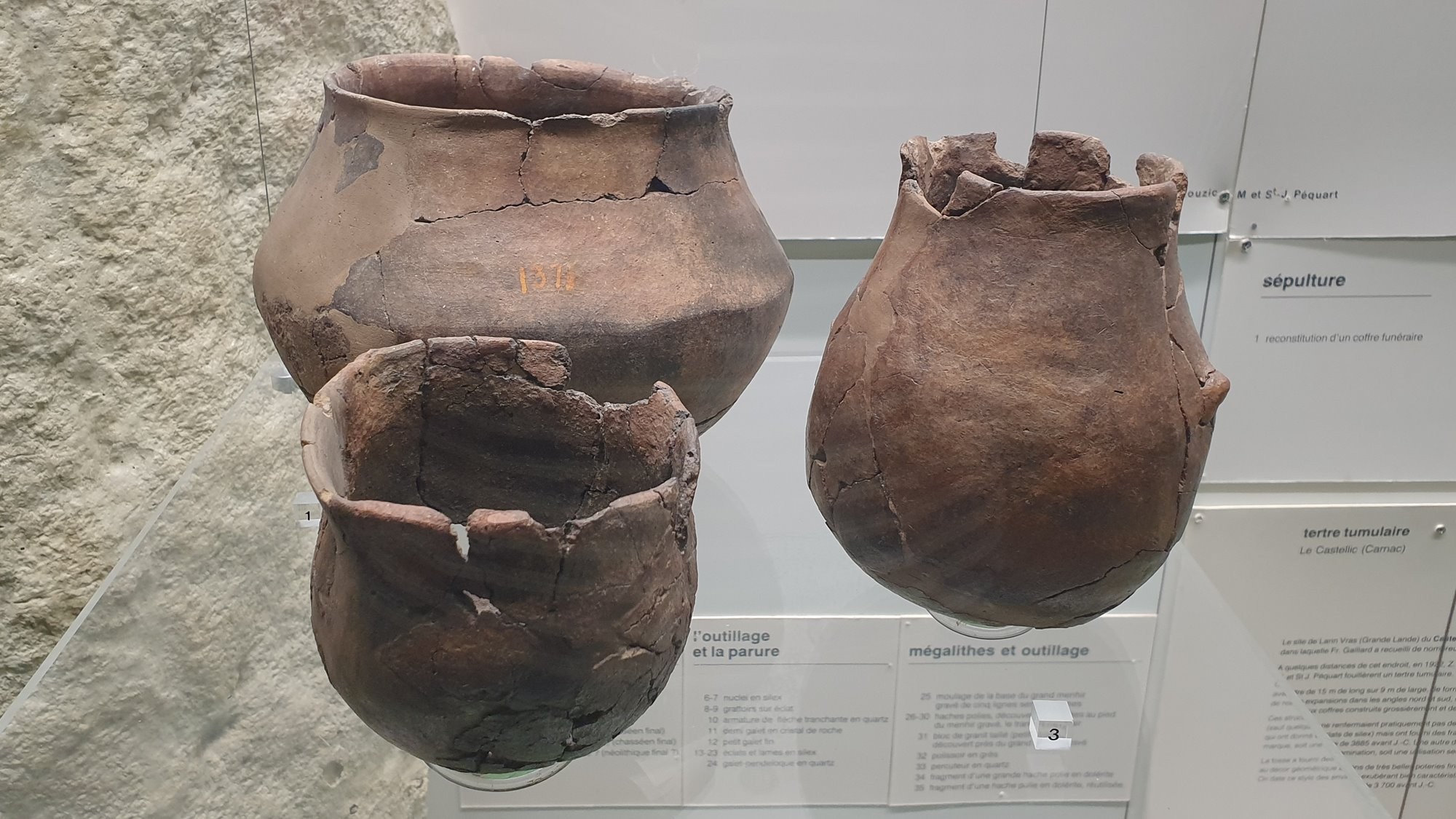
The Musée de Préhistoire de Carnac is housed in an old rectory with a collection of over 7,000 artefacts from many of the megalithic sites in the area – one of the richest museums for megalithic culture. A handful of display that deal with the various aspects of everyday life, but the museum has a greater focus on the development and significance of funerary architecture, from the early dolmens to the later, more complex passage tombs. A few galleries explore the Iron Age and Roman periods.

Fenaille Museum
A local history museum that focusses on the art, archaeology and history of the Rouergue – a historic province of France. A tour through the museum starts with the archaeology of the earliest humans, at about 300,000 year ago, to the 17th century. The museum is best known for its exceptional collection of statue-menhirs – at 5,000 years old these are among the oldest statues in Europe. Other exhibition themes include ancient Rodez, Rouergue in the Middle Ages, and the 16th century and the Renaissance.

Lodève Museum
Three permanent exhibitions make up the core of the Musée de Lodève. Traces of Life traces 540 million years of the earth’s history, including local dinosaur fossils. Man’s Footprints focuses on the end of the prehistoric era, in particular the Neolithic Age (between 4500 and 2500 BC). Sculpting Lives displays the sculptures and sketches of the renowned artist Paul Dardé. Each year the museum hosts a summer, temporary exhibition. The museum is accessible to all, and all text and multimedia are available in French and English.

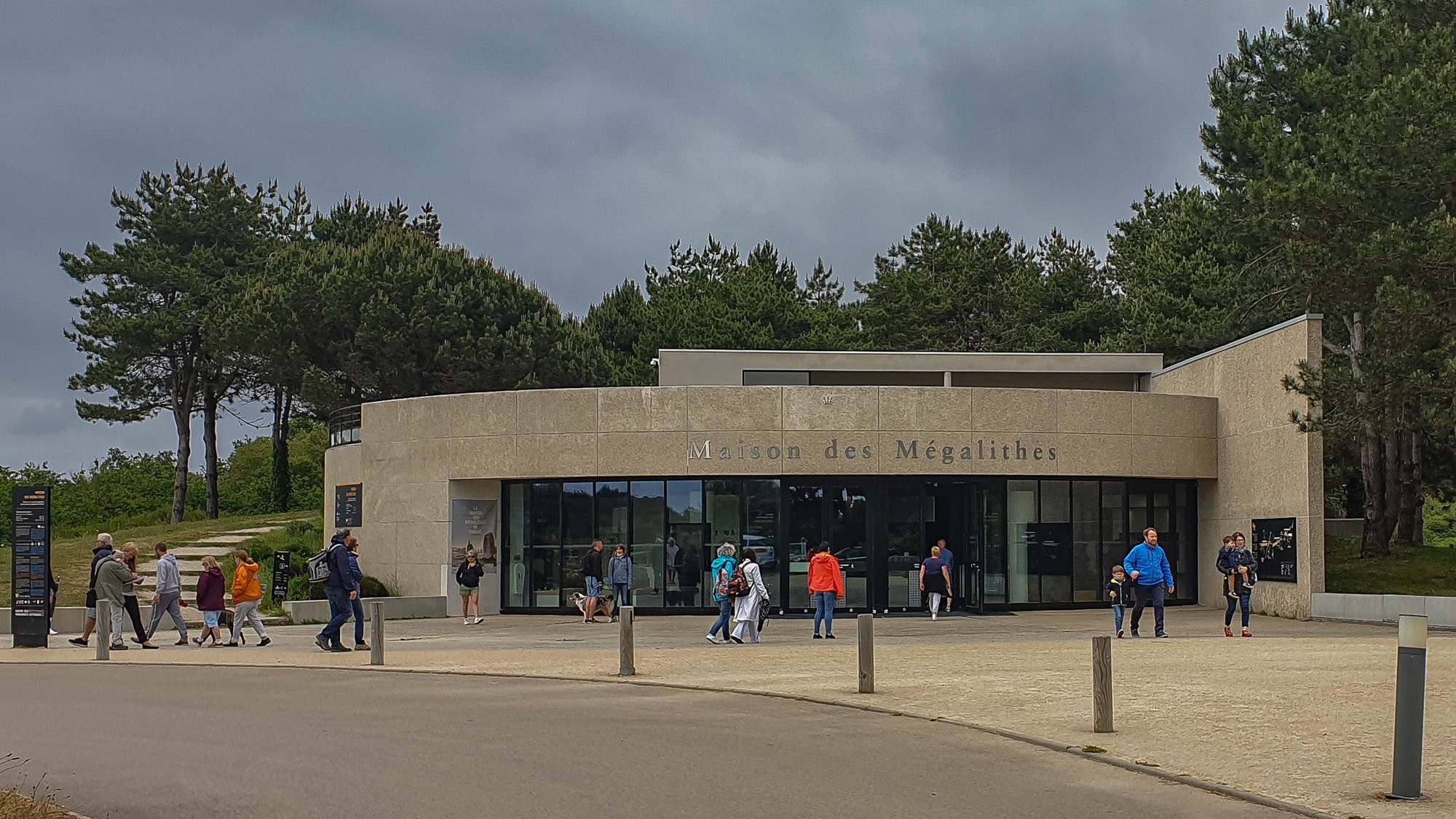
Maison des Mégaliths, Carnac
Besides serving as an information point and a ticket office for guided tours of the Carnac stone alignments, the Maison des Mégalithes also has a series of exhibitions outlining the history and understanding of the megalithic tradition in southern Brittany. The viewing platform on top of the building is a viewing platform that gives a better view of the alignments than you will get at the fence.

Maison Mégalithes et Landes
A tourist information point and a museum that serves as an introduction to the nearby concentration of megalithic structures nearby. Besides basic information on what there is to see, the centre has an exhibition space and a shop that sells souvenirs and good selection of books. An extensive permanent exhibition explores the lives of the Neolithic communities who made the megalithic monuments; allow between 45 minutes and an hour. Numerous activities for children and adults are hosted, as well as the opportunity to join guided tours. A 7 km self-guided walking tour takes around to 2 hours from the centre.

National Archaeology Museum
The Musée d’Archéologie Nationale is housed in what was once a royal palace – the Château de Saint-Germain-en-Laye, on the outskirts of Paris. In the 1860s Napoleon III had the castle restored to house the nation’s archaeology collections. Today, the museum has a vast collection of artefacts from all over the country, from the earliest Palaeolithic to the early Medieval. Highlights include cave art, Bronze Age gold and Roman mosaics.