South West Bulgaria
Art, Archaeology & History & Museums
Archaeology & History Sites in the South West
Amphitheatre of Serdica
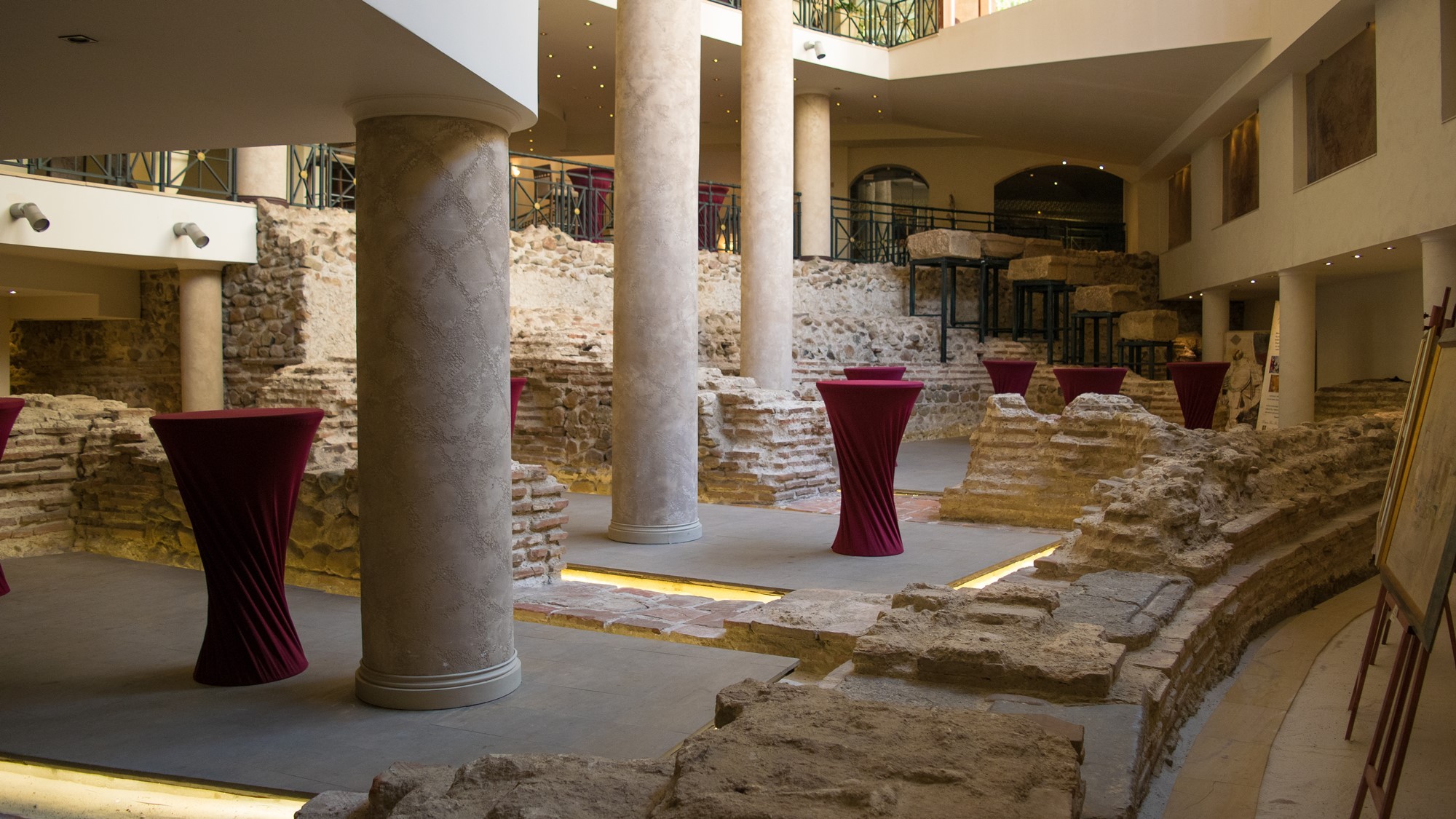
In 2004 during excavations for the 5* Arena di Serdica Hotel builders came across a Roman wall. Following archaeological excavations, these remains turned out to be those of the amphitheatre built just outside the walls of the Roman city of Serdica. Coins discovered suggest that the structure was built in the 3rd or 4th century CE. And, beneath the amphitheatre are the remains of a 2nd century theatre. Remains of the amphitheatre have been restored for guests and visitors alike.

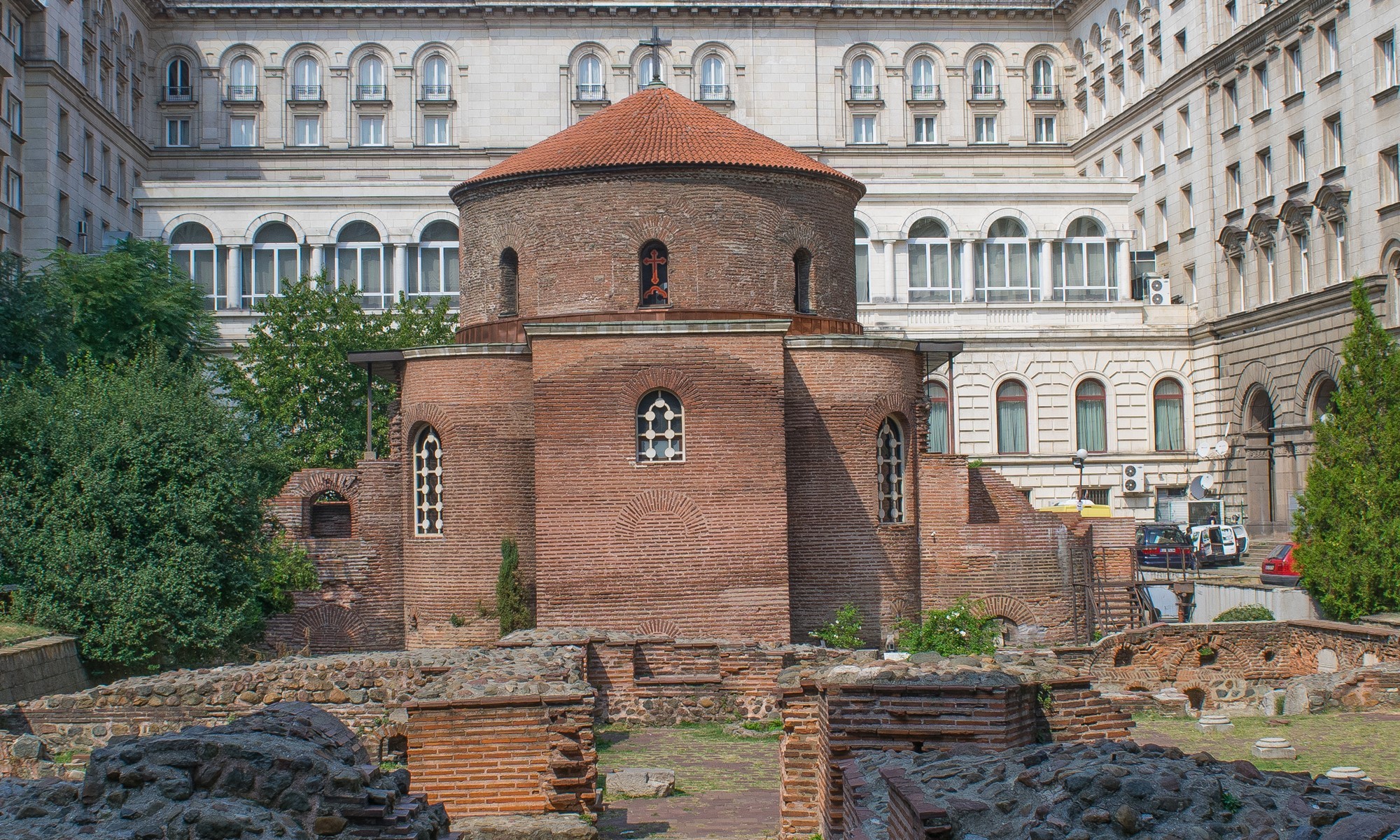
Church of St George Rotunda
The red-brick Church of St George Rotunda is the oldest building in Sofia, having being built in the 4th century CE. The church can be found in the courtyard behind the Bulgarian Presidency, set amongst the Roman ruins of the ancient city of Serdica. Besides the age, the church is well known for its remarkable frescoes – some of which are from the 6th century, but most from the 14th century. Although a functioning church with daily services, it is open to tourists.

Church of St Petka, Sofia
The complete name is Church of St Petka of the Saddlers, as it takes its name from the patron saint of saddlers. First written accounts of the church suggest it was built sometime in the 16th century, during Ottoman rule of Bulgaria – hence why its floor is dug into the ground – and an earlier Roman religious building. A crypt was discovered after the Second World War, and local folklore suggests it was here that the Bulgarian revolutionary Vasil Levski was buried here; a view not shared by Sofia’s archaeologists.

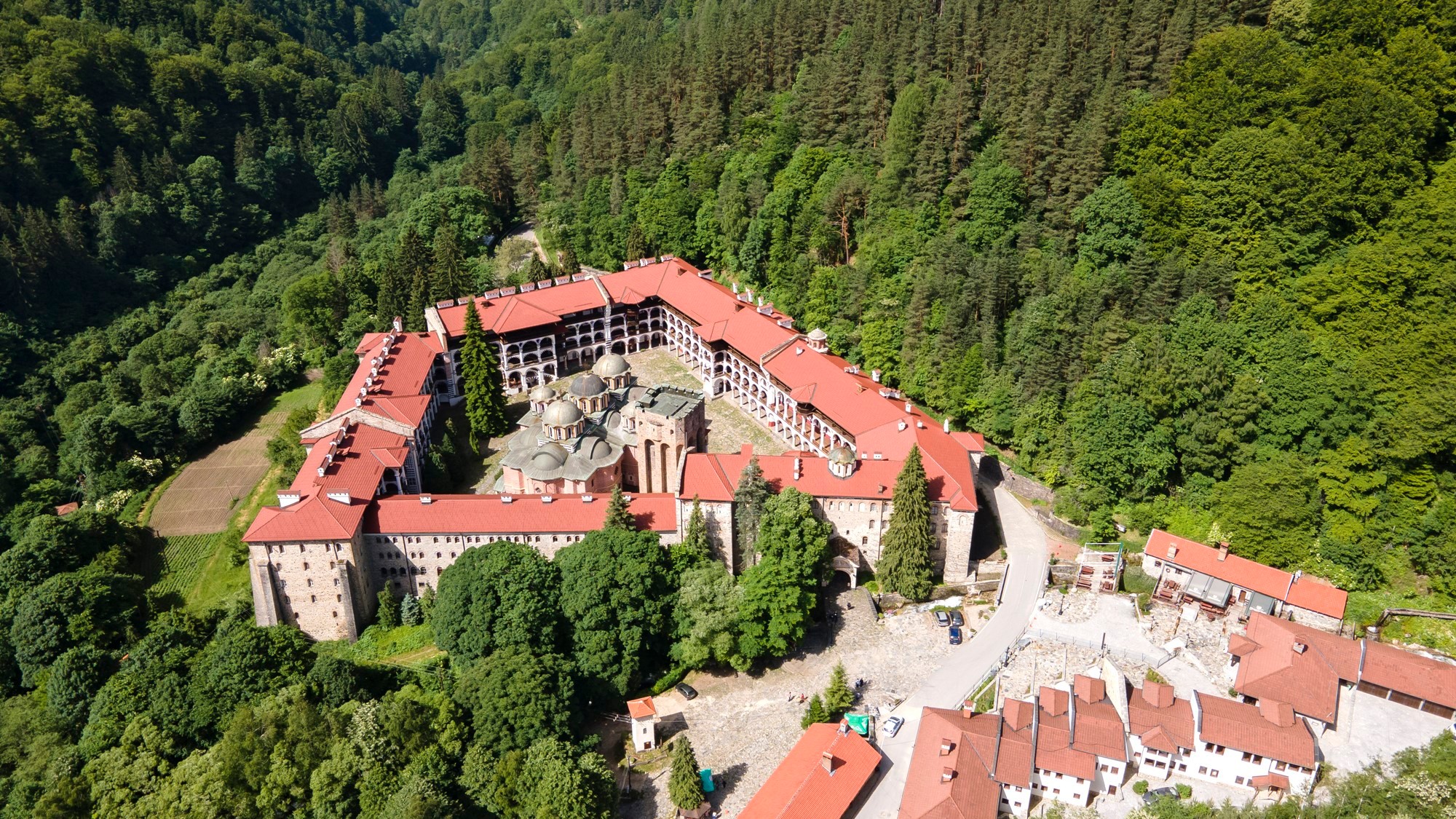
Rila Monastery
The Monastery of Saint Ivan of Rila is the largest and most well known of all the Eastern Orthodox Monasteries in Bulgaria. The monastery is believed to have been founded in the 10th century by a hermit called St. Ivan of Rila who lived in a nearby cave. Today the monastery is one of the most important cultural and architectural monuments in Bulgaria, attracting over a million visitors each year. In 1983 Rila monastery was added to the list of UNESCO World Heritage sites.

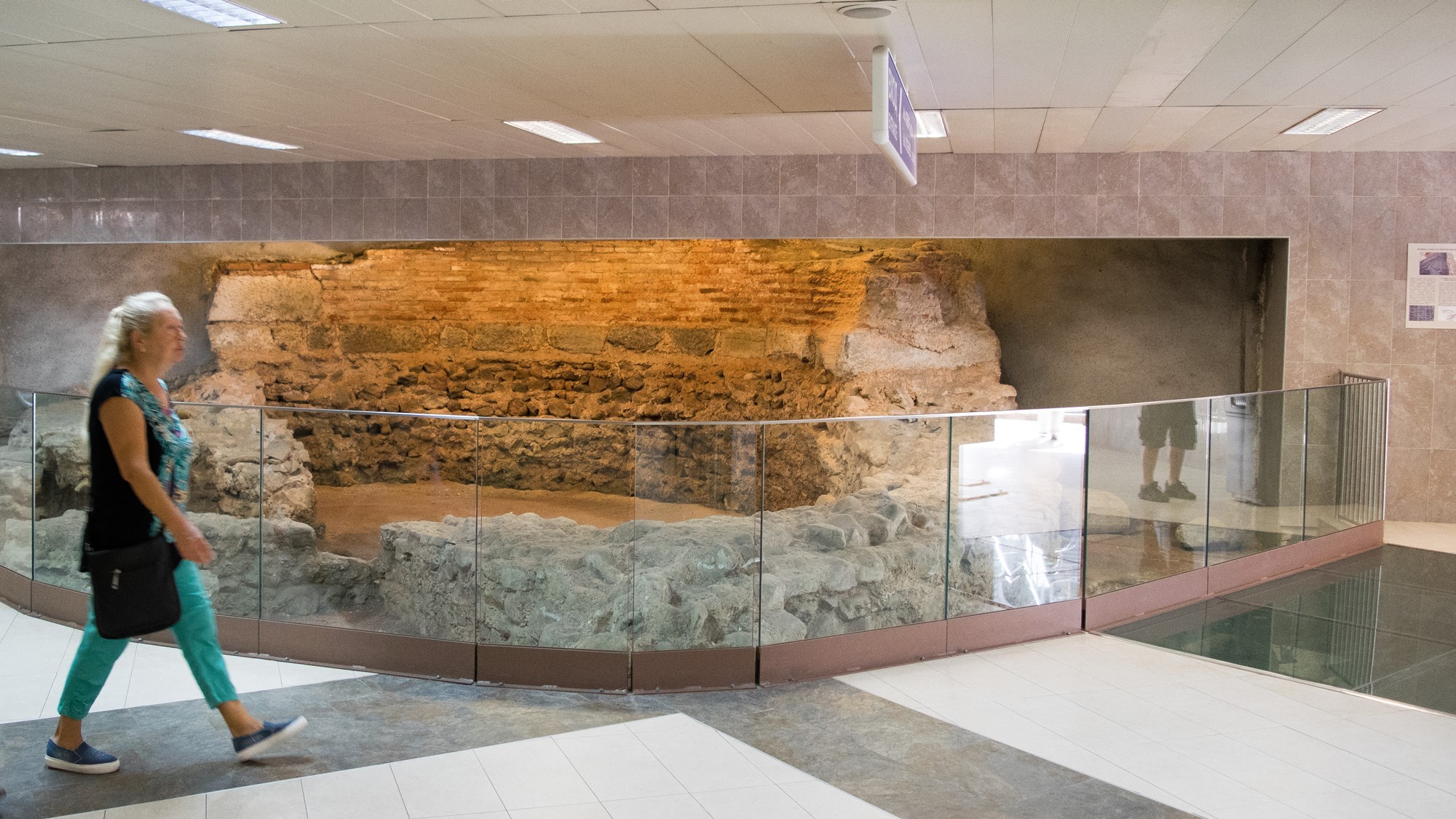
Serdika II metro Station
During building work for a new metro station in the city centre, the remains of the ancient city of Serdica were discovered. These were then excavated by archaeologists and preserved in situ. On the Metro’s platform displays provide an introduction to Sofia’s prehistoric and ancient past, while the Roman remains outside the station show the remains of some of the buildings that would have lined the Cardo Maximus: the main street that connected the North and South Gates.


Museums & Art Galleries in the South West
Sofia History Museum
The Museum of the History of Sofia is a relatively new museum in the city, having only opened in September 2015. The museum occupies the greatly restored Turkish Baths, which were built during the Ottoman period on the site of thermal springs. Local residents still come to the spring to collect mineral water for personal use. In all there are eight permanent galleries, covering the history of the city from the 6th millennium BC to 1940s, as well as two temporary exhibition spaces.

National History Museum, Sofia
The National History Museum (Национален исторически музей, Natsionalen istoricheski muzey) is Bulgaria’s largest museum, a collection of over 650,000 objects; of which only an estimated 10% are on permanent display. Established in May 1873, in 2000 the museum moved to its current location, the primary residence of the last Bulgarian dictator. Permanent exhibits showcase the finest artefacts from the main periods of Bulgaria’s past, including exquisite silver and gold prehistoric treasures.

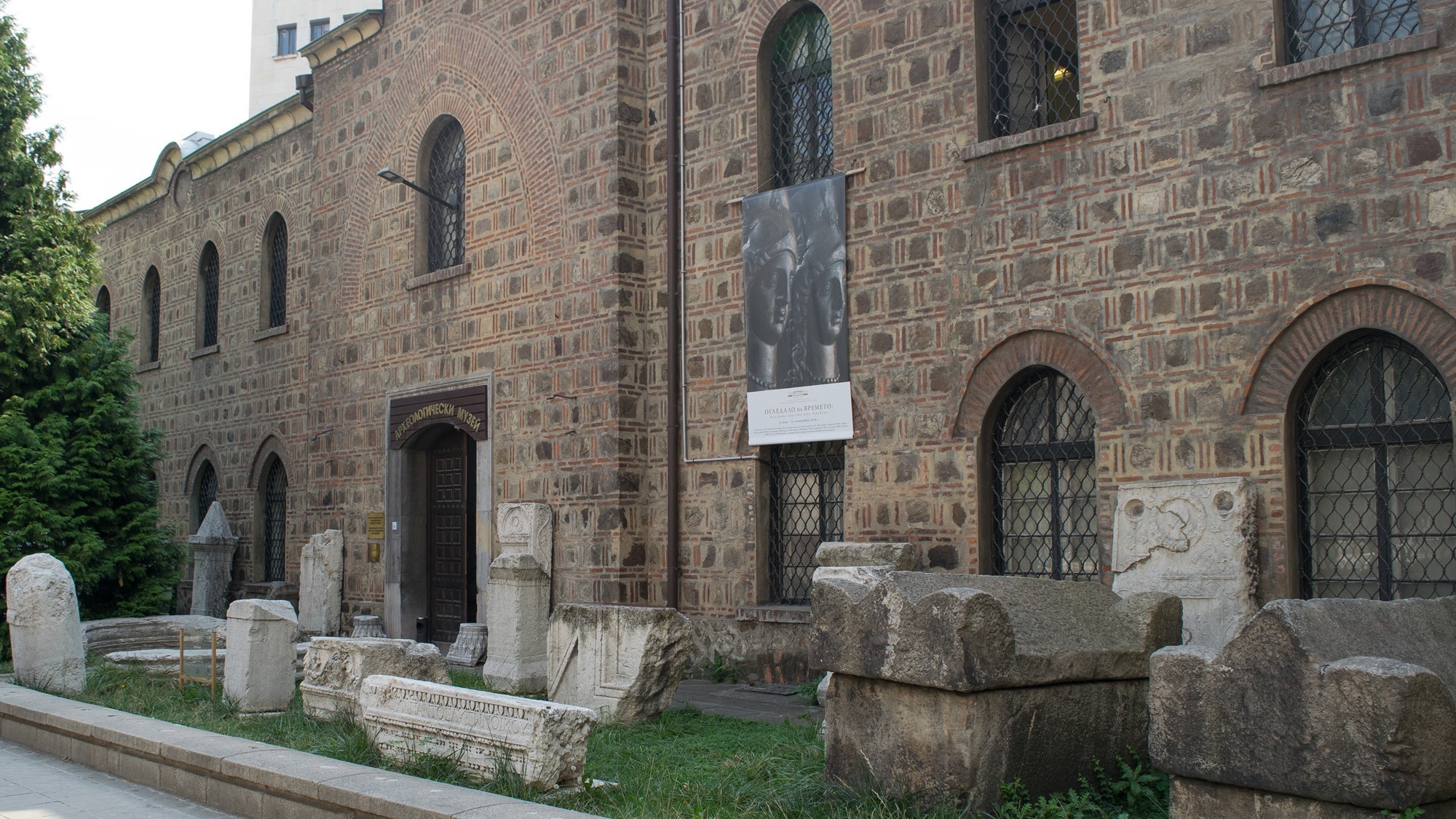
National Archaeological Museum, Sofia
The National Archaeological Museum, a branch of the National Archaeological Institute, is housed in Sofia’s oldest and largest Ottoman mosque. Construction of the mosque began in 1451, after the War of Liberation it was used as a hospital and then a printing shop before being established as a museum in 1892. Permanent exhibits cover the range of Bulgaria’s past, from Stone Age artefacts some 1,6 million years ago to exquisite wall paintings of the Later Medieval.