Eastern Netherlands
Art, History & Archaeology Sites & Museums
Including Gelderland and Overijssel
This page, part of our Netherlands Travel Guide, provides details of the art, archaeology and history sites, museums and related attractions to visit in Eastern Netherlands (Gelderland and Overijssel). Readers wishing to visit these places will find visitor information, links to official websites as well as other helpful resources. The guide is produced and maintained by Thomas Dowson, an archaeologist and the founder of Archaeology Travel. Read more about the website, its authors and our work.
New to the Archaeology Travel website? Those who have an account can create personal travel lists and itineraries. To benefit fully from the various travel planning features, see the User’s Guide.
Archaeology & History Sites in Eastern Netherlands
Apeldoornsche Bosch Memorial Centre
Founded in 1909, by the time of occupation Apeldoornsche Bosch was a flourishing Jewish psychiatric institute. On 1 April 1942 all non-Jewish staff were fired, and on 21/22 January 1943 the facility was raided, and around 1,300 patients and staff were sent to Auschwitz. Only 21 employees survived. On 2 October 1944, the site was used for the execution of 6 resistance members and two Allied pilots they had been hiding. Today an onsite memorial centre charts the story from 1909 to the raid of 1943. While a self-guided walking leads visitors around 12 significant locations.

Arnhem
Located on the banks of the Lower Rhine River, during WWII Arnhem played a crucial role in the liberation of the Netherlands and Europe. From September 1944 to April 1945, the city was a front-line battle zone. WWII related sites are a major draw for many visitors, with a designated Liberation Route taking in impressive monuments and numerous memorials. Arnhem is also know for its fashion and design scene, and has a rich history going back to prehistory and the Hanseatic League (Westphalian Quarter). On the city’s outskirts is the Nationaal Park Veluwezoom – the Netherland’s oldest national park.

De Oversteek - The Crossing
The longest single arch bridge in Europe, De Oversteek (The Crossing) was built on the site of, and named after, the Waal crossing. On 20 September 1944, it was here that soldiers of the 504th Parachute Infantry led an assault across the river during Operation Market Garden. Each day at sunset a military veteran leads a march across the bridge to commemorate the historic event. At the pace of the march, the 48 street lights on the bridge are lit up one be one in honour of the 48 paratroopers who died during the assault in 1944.

De Spees Roman Watchtower
Not far from a WWII fort is a faithful replica of a Roman Watchtower. Although this spot is on what was the Roman frontier, there is no evidence this was the site of a watch tower. The site is a popular resting stop for hikers and cyclists, and during spring and summer months, tea and coffee, with homemade cakes are on offer. The upper level has great views over this section of the Rhine River.

Doorwerth Castle
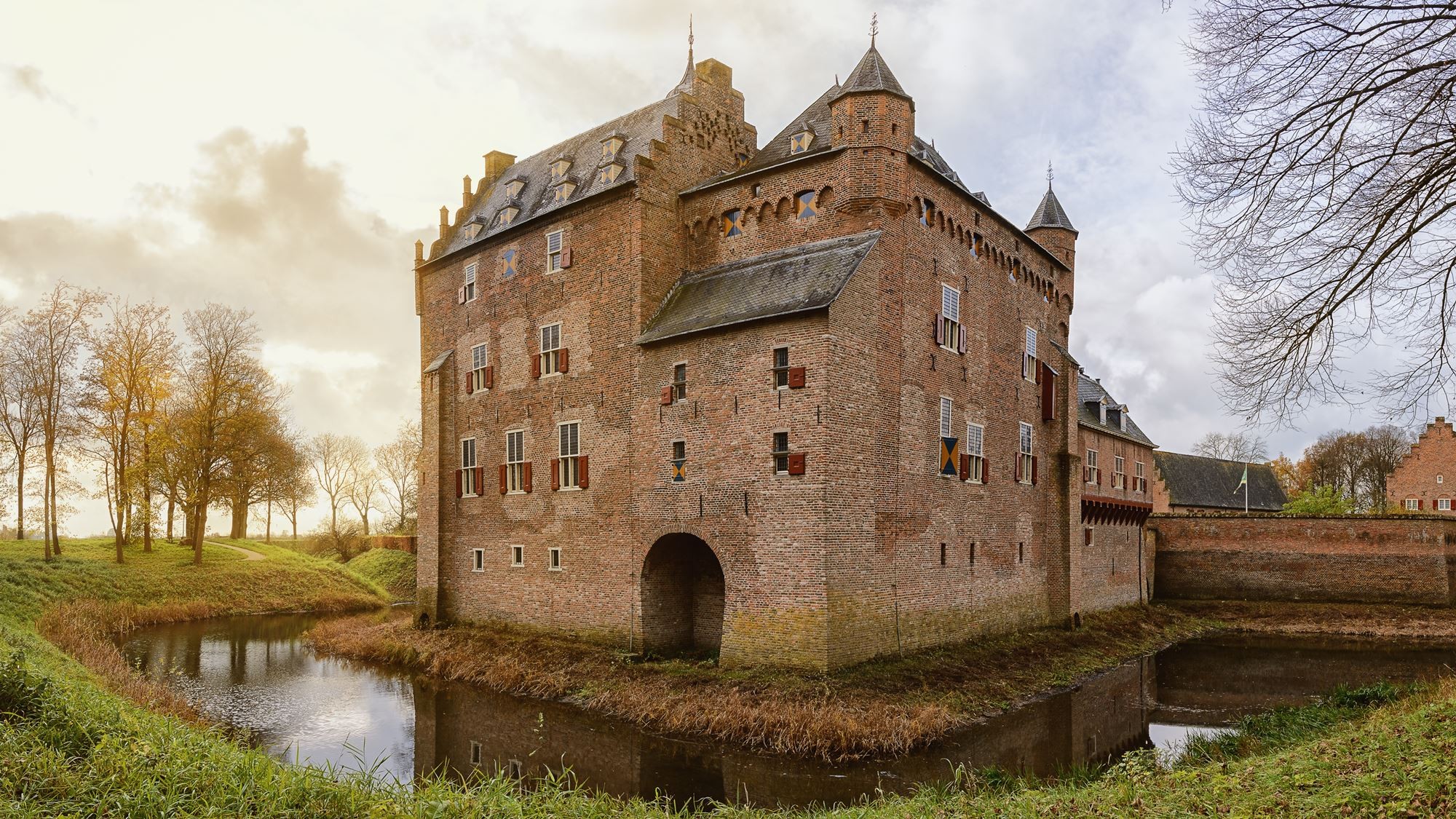
A stone fortification has stood at Doorwerth Castle since at least the 13th century, having replaced an earlier timber structure on this site. Rebuilding projects enlarged the castle in the Later Middle Ages. Although heavily damaged during the Second World War, a restoration project resulted in Doorwerth taking its present form around the 1980s. Today, visitors can explore several of the castle rooms, several of which now host the Dutch Hunting Museum, the National Forestry Collection, and the Museum Veluwezoom. Like many castles, it is reputedly haunted.

Hotel De Wereld
Although there has been a hotel on the site since 1669, it is the current building of 1852 (restored in 1975 and 2004) that is of particular significance. Here, on 5 May 1945 Canadian General Foulkes met German Colonel General Blaskowitz in what is now called the Grote Capitulatiezaal to negotiate the German capitulation in the Netherlands. The pen used to sign the document is now in the Museum De Casteele Poort. Today, a 4* hotel, De Wereld is praised for its character and proximity to the sites of historical interest in the city of Wageningen.

Huis Bergh Castle
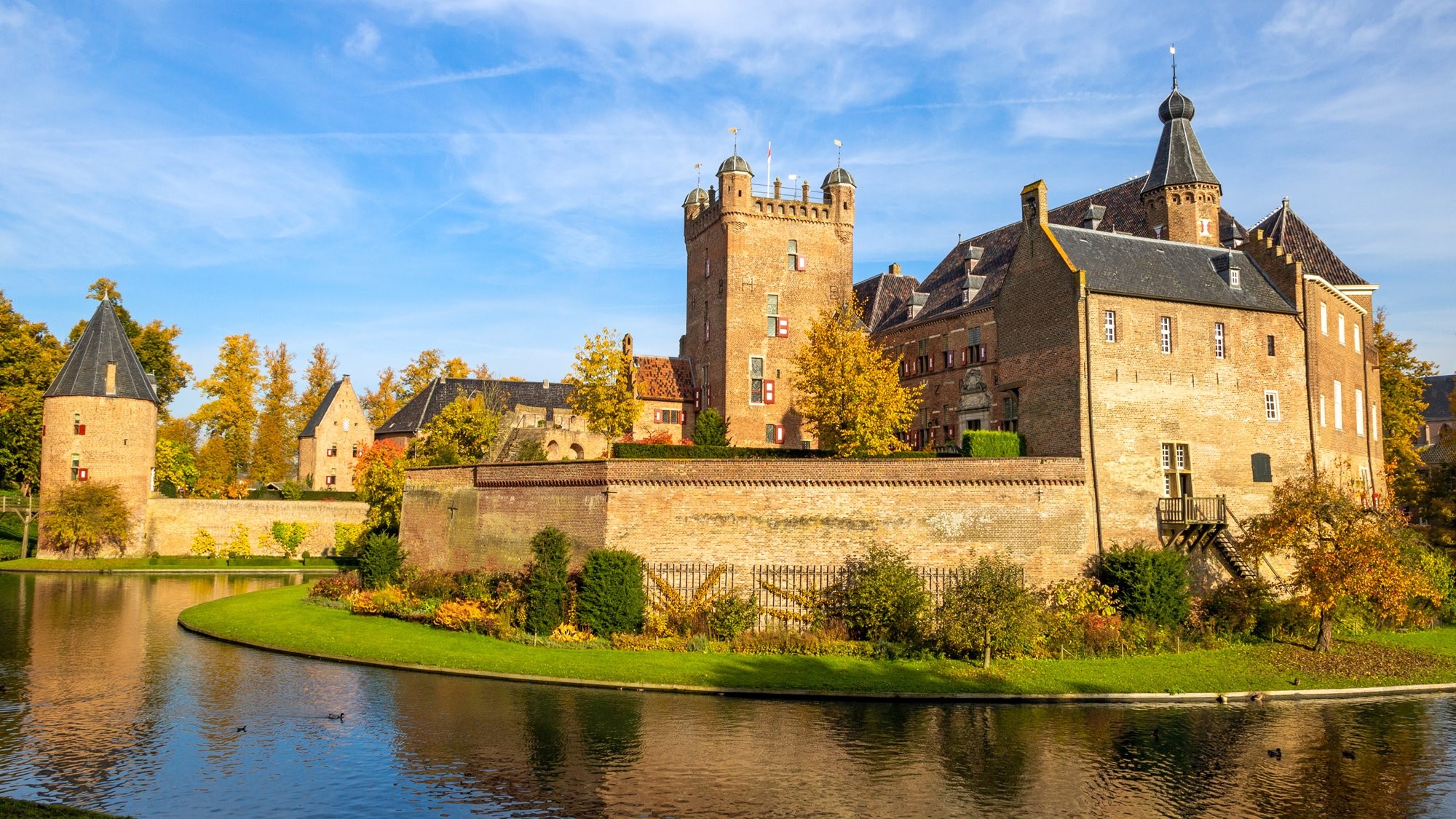
One of the biggest castles in the Netherlands, the stone fortification at Huis Bergh has 13th-century origins. Owned by the Bergh family for much of its history, the castle was heavily damaged by a 1735 fire, resulting in an 18th-century rebuilding project. The industrialist Jan Herman van Heek bought the castle in the early 20th century and used it to showcase his impressive collection of early modern paintings, sculptures, medieval manuscripts, and coins. Today’s visitors can enjoy this collection in the castle’s impressive moated surroundings.

Loo Palace
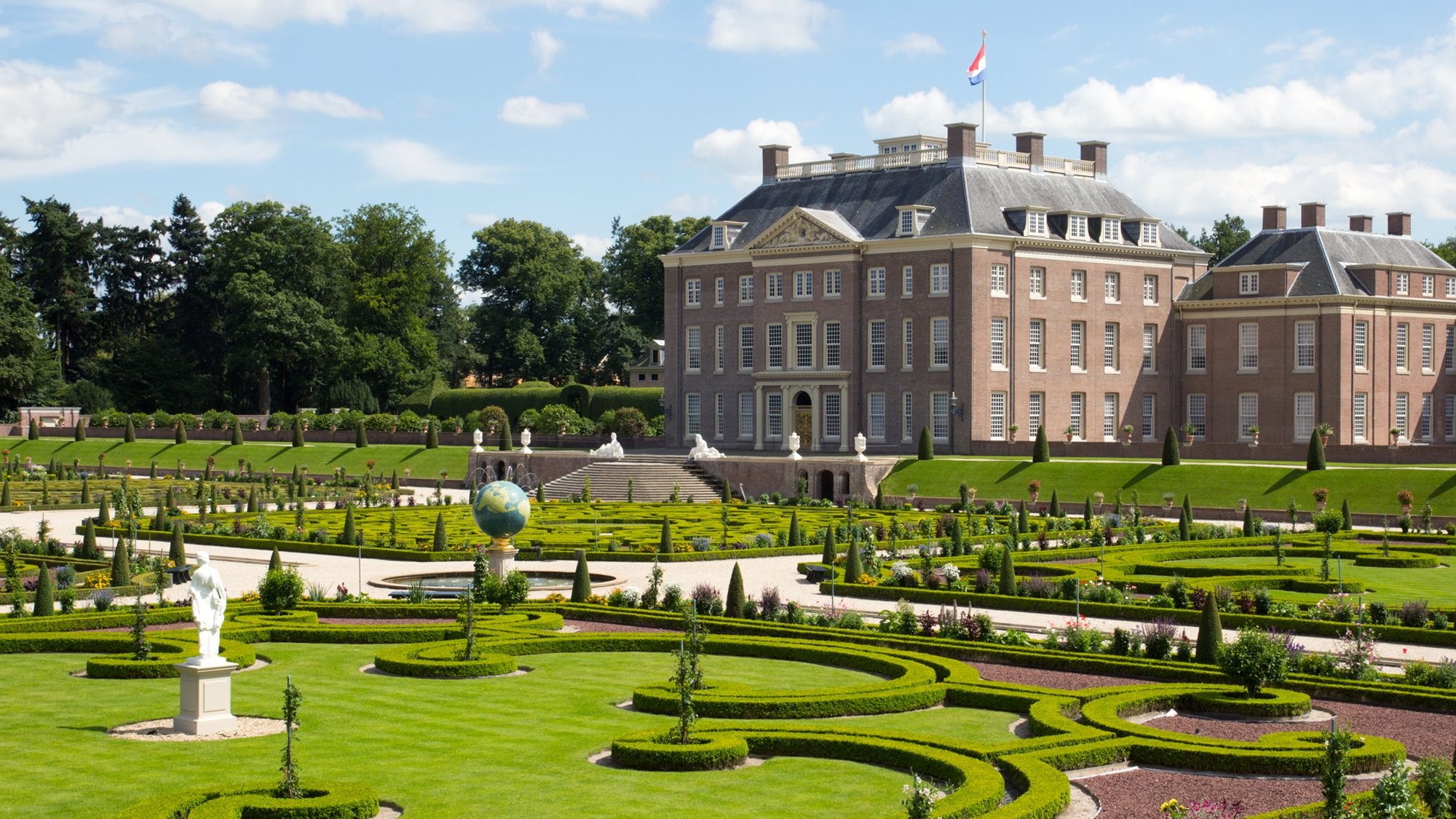
The Paleis Het Loo in Apeldoorn was established late in the 17th century by Willem of Orange and Princess Mary, who then extended it upon becoming joint monarchs of England. Given its grandiosity, it unsurprisingly continued as a residence of the Dutch royal family into the 18th century. In 1795, the French invaded and plundered the palace while in 1806 it became home of the newly appointed Dutch king, Louis Napoleon, who had a new romantic landscape garden set out. Vacated by the royal family in 1977, it became a heritage attraction.

Meinerswijk Roman Fort
All that remains of the castellum found near Meinerswijk in 1979 are the walls of the principia. These have been enhanced with rock-filled metal cages to give visitors an idea of the building’s dimensions. Archaeological evidence suggests the fort was first built between 10 and 20 AD, while a thick layer of ash covering the site suggests the site was destroyed during the Batavian revolt in 70 AD. Little is known about the fort, and some believe it is Castra Herculis, named on the Tabula Peutingeriana.

Nijmegen
On a Waal River island a 6 m high sculpture of a mask faces the historic centre of Nijmegen. A copy of a Roman cavalry sports helmet celebrating the Roman origins of the city – one of the oldest cities in the Netherlands. On the ruins of the Roman fort, Charlemagne built the Valkhof Palace in 777 AD. In 1230 Nijmegen became a free imperial city, and a Hanseatic city (Westphalian Quarter) in 1402. Large parts of the city were destroyed during WWII: first during a badly executed bombing raid on 22 February 1944 and then further in September 1944 during Operation Market Garden – during which Allied troops captured the Nijmegen bridges.

Museums & Art Galleries in Eastern Netherlands
Achterhoeks Open Air Museum
Preserving a historic farmyard environment, the open-air museum at Achterhoek in Gelderland is also known as Erve Kots, a name derived from its former resident, J.H. Kots. Owned by the Weenink family for three generations, it has been an open-air museum since 1936. Along with historic agricultural structures like a mill, clog factory, and sawmill, the farm continues to provide a home for livestock, ensuring that it remains an active working attraction. A café and shop selling local produce are located in the museum grounds.

Afrika Museum
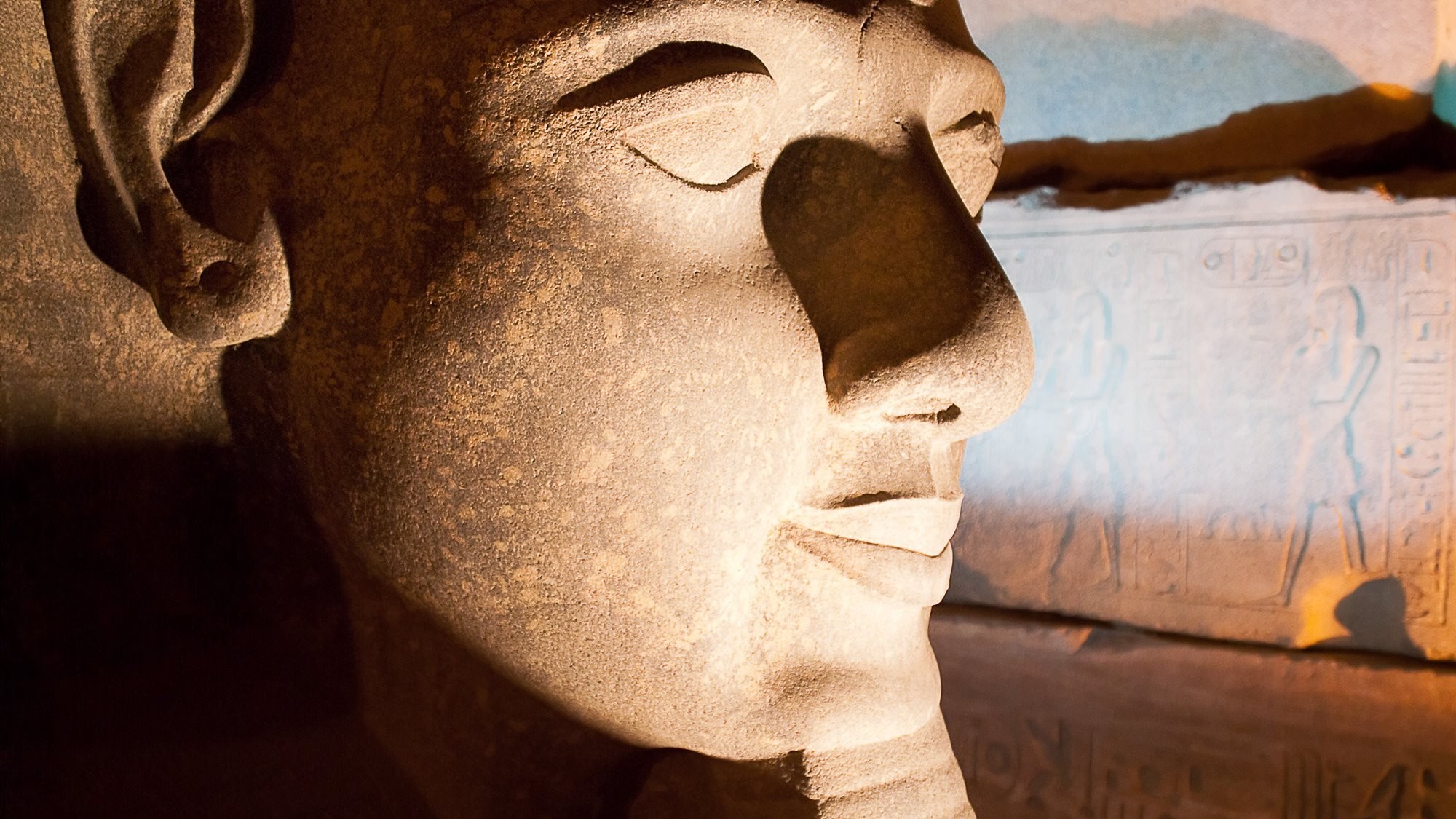
The wooded hills of Berg en Dal may not seem like the most obvious place to learn about Africa’s rich cultural heritage, but this is the home of the Afrika Museum. Spread across both indoor and outdoor displays, the museum showcases the life and culture of communities in West African countries like Mali, Cameroon, and Benin, as well as in the Southern African kingdom of Lesotho. Accompanying the historical artefacts are reconstructions of traditional architecture and a range of contemporary artworks.

Erve Eme Archaeological Open Air Museum
Devoted to the Early Middle Ages, the volunteer-run Erve Eme Archaeological Open-Air Museum in Gelderland seeks to recreate a farmstead scene as it may have looked around the year 700. Home to a range of archaeological reconstructions, including a timber hall, it plays host to re-enactors engaging in early medieval activities like archery, blacksmithing, pottery, and basket weaving. Focusing on educational events for school children, the museum is also open to the general public on Sundays during the warmer months.

Freedom Museum
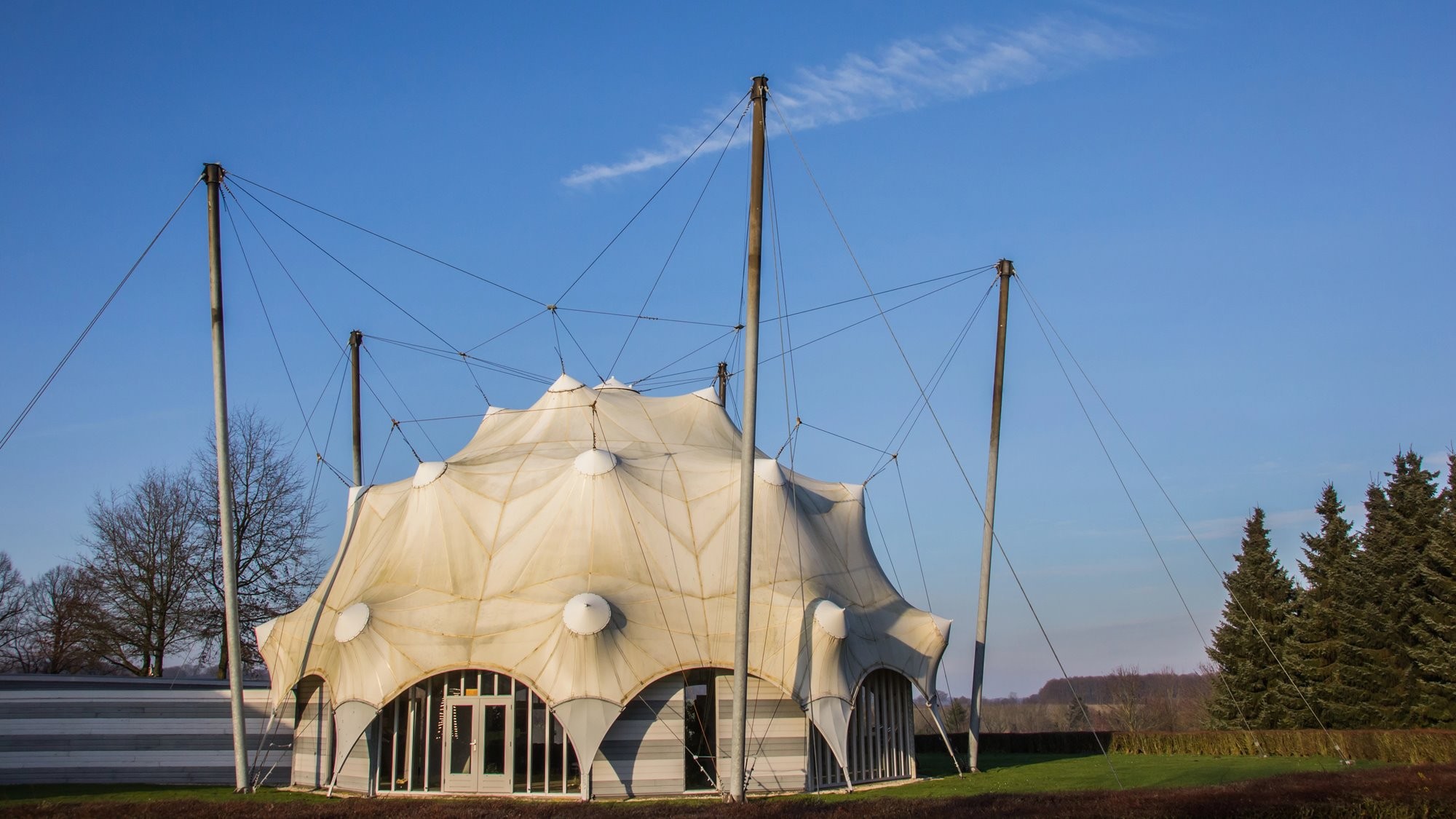
Inside a 12 m high dome, resembling the appearance of a parachute, the Freedom Museum explores the concept of war freedom with a focus on the Second World War. Besides the permanent exhibition, the museum also hosts temporary exhibitions on related themes. The museum is located in the area where two important operations on the Western Front took place in WW2, namely Market Garden and Veritable. A balcony in the museum allows visitors to view the historic landscape.

Museum de Fundatie
The Museum de Fundatie in Zwolle is a gallery of the visual arts. Its collection stretches as far back as the Middle Ages, although modern art forms the dominant part of its displays. Originally established in 1958, the museum has moved homes over the years. Today, it is housed in a building that intriguingly combines a neoclassical façade with a giant, post-modernist glass dome stuck onto the back. Even if the mish-mashed architecture is not to your taste, a viewing platform offers impressive views across the city.

Netherlands Open Air Museum
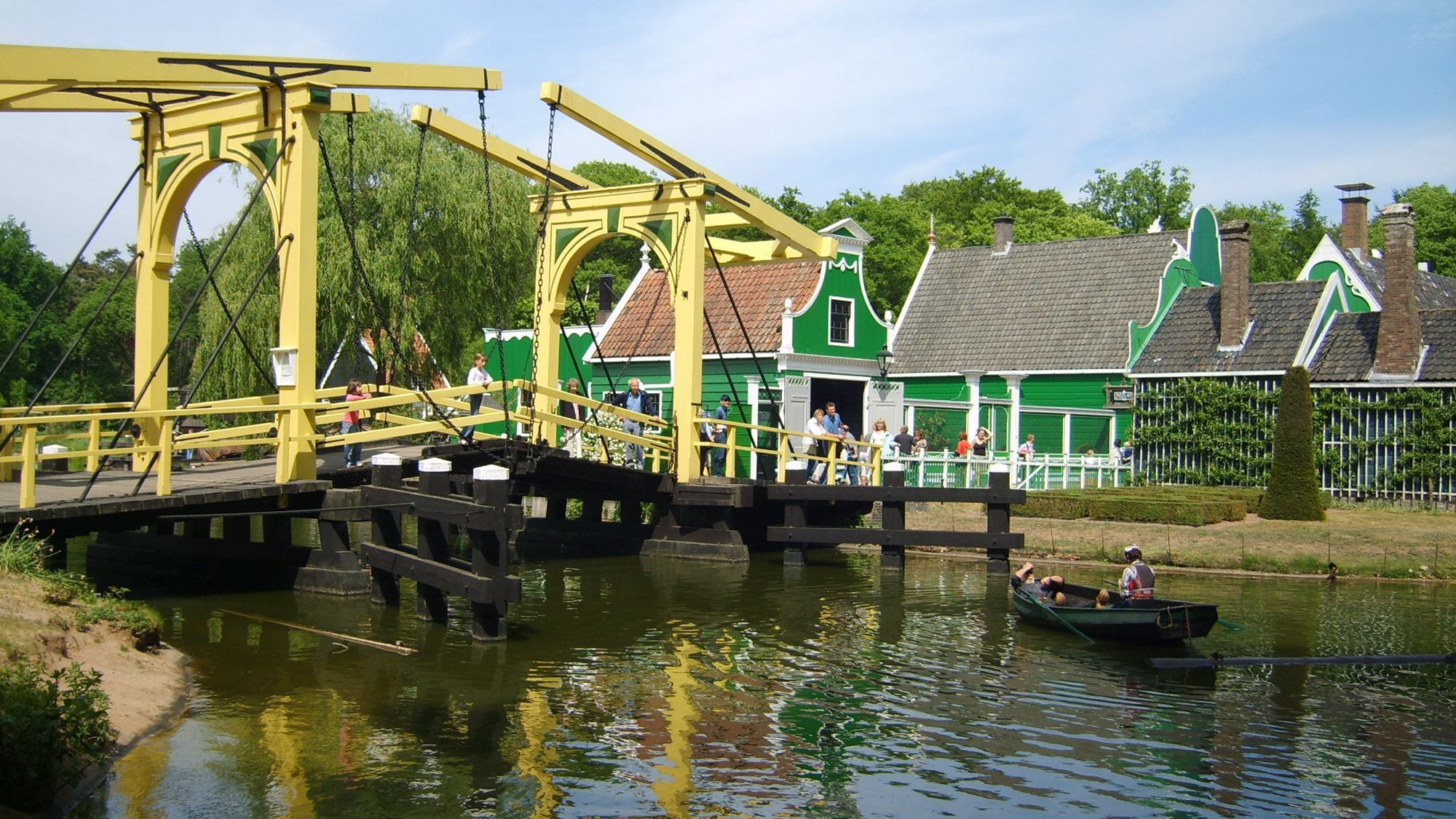
Based near Arnhem in Gelderland, the Netherlands Open Air Museum first welcomed visitors in 1918, having been set up to help preserve historic buildings under threat from modernisation. A range of buildings help convey a sense of Dutch life from the 19th and into the 20th centuries; these are closed in winter months, although the exterior remains open. Actors in period costume further bring the past to life, while a historic tramline allows visitors to travel the museum in comfort. Awarded the European Museum of the Year Award in 2005.

Open Air Museum Ootmarsum
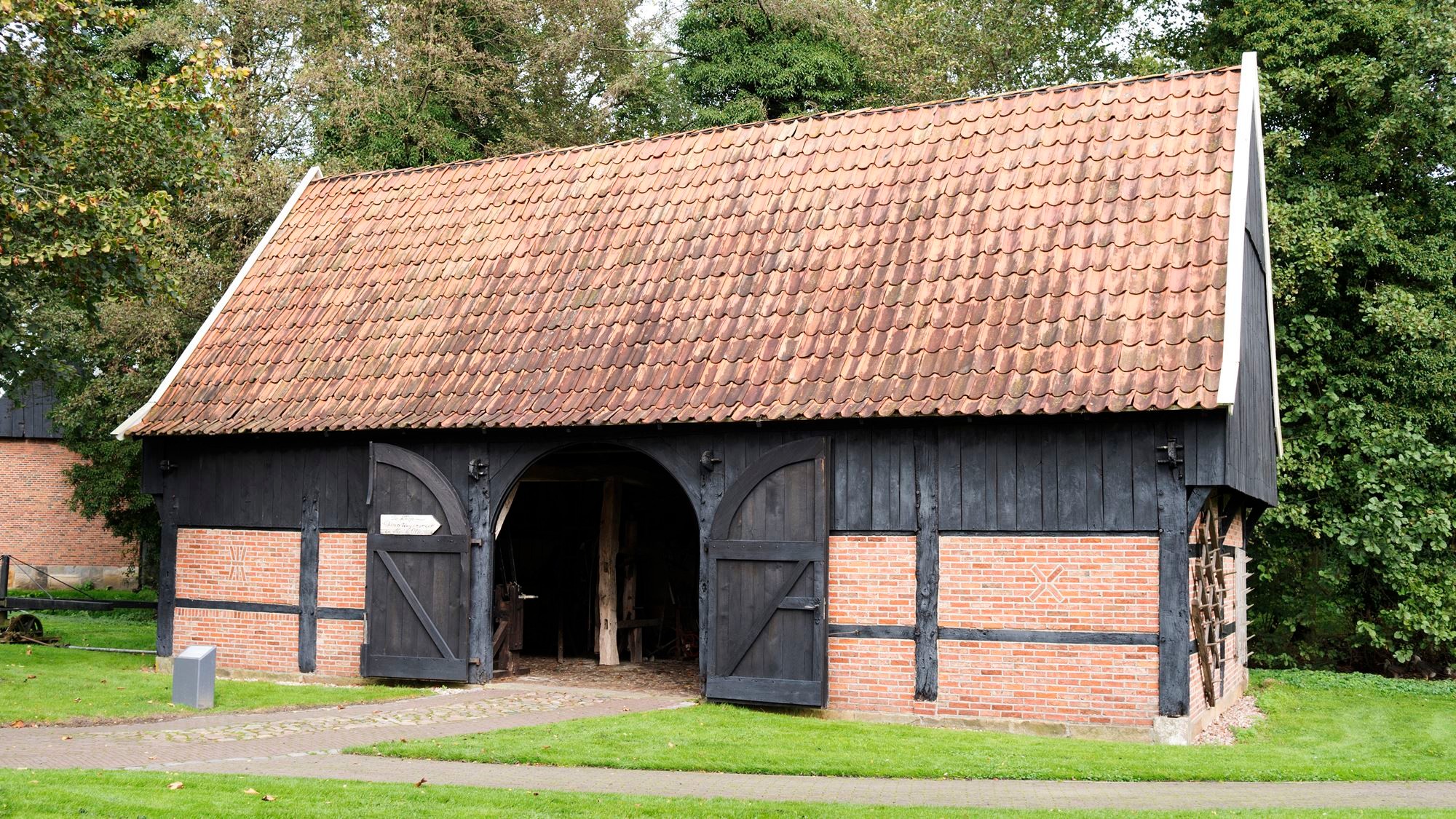
The Open Air Museum Ootmarsum (Openluchtmuseum Ootmarsum) in Overijssel focuses on preserving the built environment of the Netherlands’ eastern Twente region. 16 historic buildings have been brought together at the museum, including farmhouses, stables, sheds, a smithy, and a sheepfold, decked out with a selection of traditional agricultural equipment. As well as showcasing the life of ordinary working people, the museum’s displays also delve into the lives of the wealthy nobility who owned the land itself.

Valkhof Museum
Opened in 1999, the art and archaeology museum was built next to the Valkhof Park, the site of a Roman army camp and then a citadel built by Charlemagne. On display are local Roman artefacts and modern art. One of the highlights is the s-called Nijmegen Calvary helmet dating to the second half of the 2nd century AD, and made of iron, bronze, silver and gold. The museum (photographed) is currently undergoing refurbishment. The collection is on temporary display at Keizer Karelplein 33 (click on the map for this location).