Travel Guides by Experienced Archaeologists & Historians

Prehistoric Cave Art In France

From the World famous cave of Lascaux to one of the most recent discoveries – including Cosquer and Chauvet, France has some of the most spectacular prehistoric cave art in the world. Painted and engraved images, as well as bas relief sculptures, were made by Homo sapiens and probably also Neanderthals between about 36,000 to 12,000 years ago, a period that coincides with the end of the last Ice Age. In this is a guide to the caves, replicas and museums of Ice Age art in France we provide all you need to know to plan your trip.

About Our Guide to the Cave Art of France

Cave Art Tours & Itinerary Services

Whether you are looking for information and planning tools to create your itinerary, a private guided tour or a small group tour, we can help. Using our Itinerary Builder, with the information published on this and other pages, you can create your own tour of the Ice Age caves and replicas in France (Spain coming soon). For those who require more assistance, we also offer an itinerary planning service. With your details, we create a bespoke itinerary that you can follow when visiting France. We also offer small group and private, guided tours.

FAQs About Visiting the Decorated Caves in France

Can you still visit the cave painting sites in France?

Yes. Although there are many sites in France that are closed to the public, there are a number of very good sites that are still accessible. This guide provides the information for those.

Where are the cave paintings in France?

Cave art sites are found in a number of locations in France, including Normandy and Burgundy. But the main concentrations are in the south west. There are three main areas that have a number of decorated caves, museums and theme parks that are popular destinations: the Vézére Valley in the Dordogne, the Lot Department in the Midi-Pyrénées, and the foothills of the Pyrénées mountains. The Vézère Valley, in the Dordogne, is so rich in Palaeolithic archaeology that the area was added to the UNESCO list of World Heritage Sites in 1979. These three areas do not, however, account for all the accessible decorated caves; use the interactive map and list below for all cave art sites that can still be visited.

Is the Lascaux cave open to the public?

No. Lascaux was closed to the public in 1963. In 1983 the first replica, Lascaux 2, was opened to the public. A second replica of the cave was opened to the public in 2016. Lascaux 3 is a touring exhibition of some sections of the original cave.

Is the Lascaux 4 better than Lascaux 2?

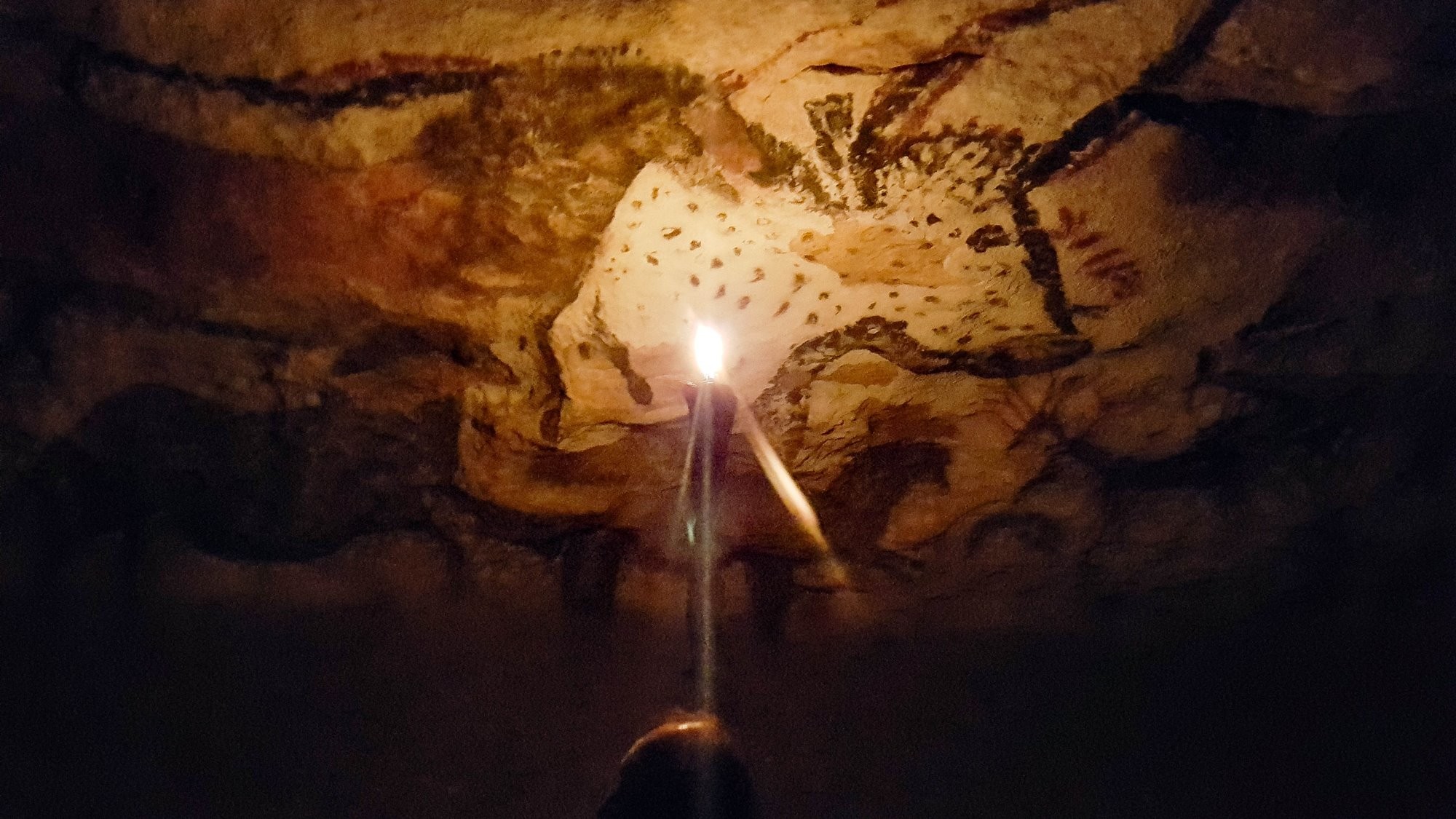
While Lascaux 4 is a more complete replica than Lascaux 2, the two experiences are very different. For Lascaux 2 there are smaller groups, and you do not get the sense you are being rushed through the ‘cave’. The experience includes being in the cave with a torch, attempting as much as possible to recreate what it must have been like for people in the Stone Age to see these images painted and engraved on the cave wall. Lascaux 4 is definitely a 21st century clinical museum experience, with greater use of state-of-the-art techniques to allow visitors to learn more about Ice Age art in Europe.  If you have time, visit both. If you have to choose one, and you have a deep interest in cave art, there is no choice, in my opinion – visit Lascaux 2.

Are there guided tours of the caves in France?

Where Can You See Cave Art in France?

Access the Interactive Map

Access to our interactive map of cave art sites, related museums and attractions in France is available for €4 (four Euros) for six months.

Visitor Information at a Glance

Cave2025 DatesDays of the WeekBuy Tickets
Arcy-sur-Cure (Burgundy)5 April - 3 NovemberClosed on WednesdaysAt the cave, on the day, can reserve by telephone/email
Bara Bahau (Dordogne)ClosedAll week from 7 July and August, otherwise closed WednesdaysOnsite/online
Bédeilhac (Pyrénées)17 February - 2 NovemberCheck the website, closing days varyOnline recommended
Bernifal (Dordogne)
Cap Blanc (Dordogne)January - DecemberClosed SaturdaysOnsite/online
Chaire-à-Calvin (Charente)15 March - 15 OctoberAll weekFree
Chauvet 2January - DecemberAll week, except January - closed Mondays & TuesdaysOnsite/online
Cosquer Méditerranée (Marseille)January - DecemberAll weekOnsite/online
Les Combarelles (Dordogne)January - DecemberClosed SaturdaysOnline only
Cougnac (Lot)6 April - 31 OctoberAll week from 11 July to 25 August, otherwise closed SaturdaysOnsite/online
Font de GaumeJanuary - DecemberClosed SaturdaysOnline only
Gargas (Pyrénées)January - DecemberAll week in July/August
Otherwise closed Mondays
Contact the cave in advance
Isturitz & Oxocelhaya15 March - 15 NovemberCheck the websiteOnline recommended
Lascaux 2 (Dordogne)5 April - 2 NovemberAll weekOnline only
Lascaux 4 (Dordogne)7 February - 4 January 2026All weekOnline/onsite
Mas d'Azil (Pyrénées)10 February - 4 January 2026All week from 7 April to 2 November, otherwise check the websiteOnline/onsite
Grotte des Merveilles (Lot)30 March - 29 SeptemberCheck the websiteAt the site, on the day or reserve by telephone
Niaux (Pyrénées)10 February 2025 - 4 January 2026All week from 10 February to 2 November, otherwise check the websiteOnline
Pech Merle (Lot)5 April - 11 NovemberAll weekOnline only
Roc au Sorcier5 April - 2 November All week in July/August, otherwise closed Mondays, Mondays and Tuesdays in September and OctoberAt the site, on the day
Rouffignac (Dordogne)Closed early for 2025All weekOnline/onsite
St Cirq - Grotte du Sorcier (Dordogne)
La Vache (Pyrénées)17 February - 2 NovemberAll week in July/August, otherwise open days varies from week to weekOnline

Visiting the Prehistoric Caves in the Vézére Valley

Abri Cap Blanc

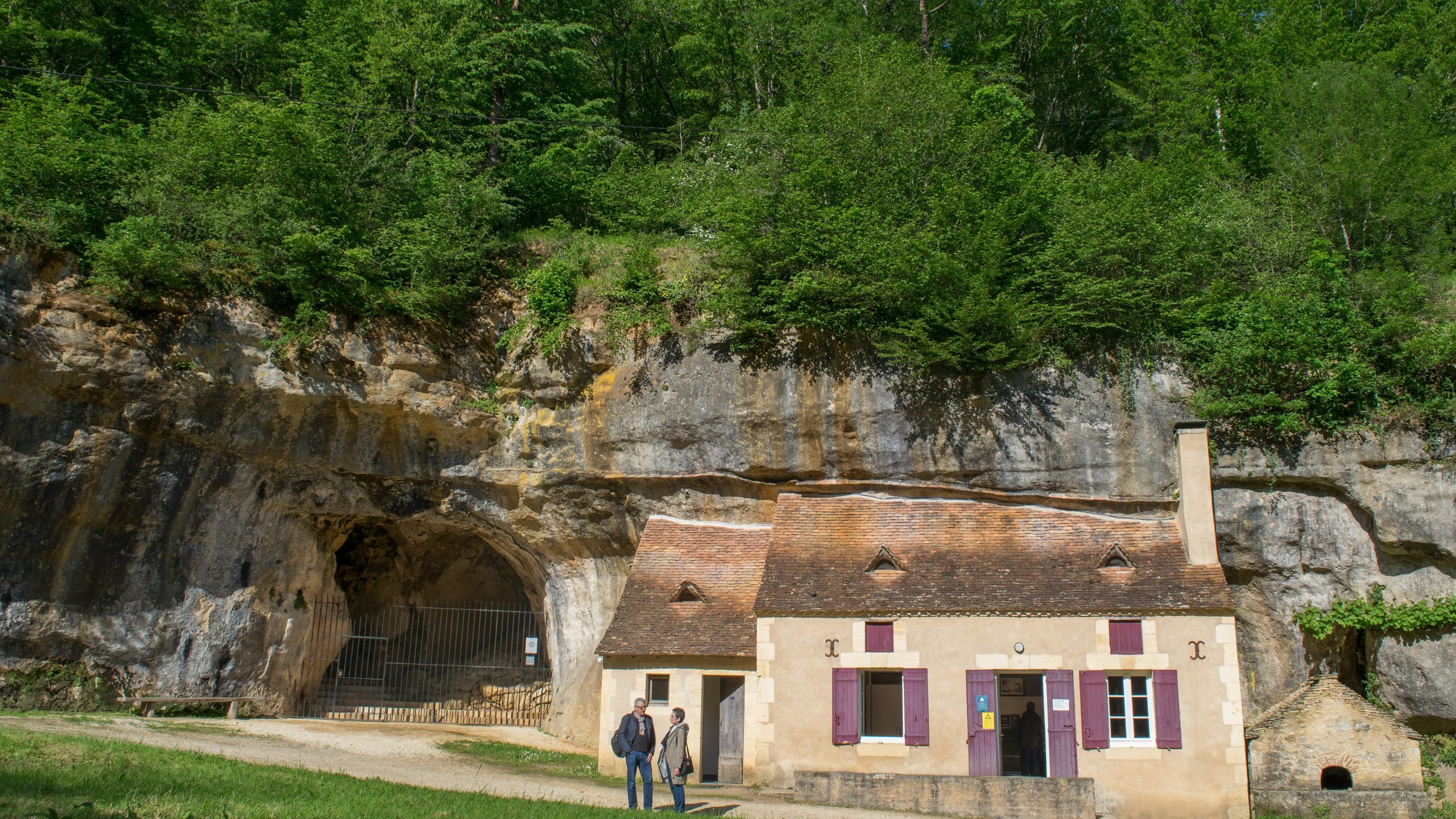
The bas relief sculptures of animals, mostly horses, at Cap Blanc are the finest examples of sculptured Palaeolithic art still in situ and open to the public in France. The highlight of the frieze is a carved horse, the body of which measures over two metres in length. In the deposit in front of the carved panel lies the body (now a cast) of a young female. The archaeological deposit also revealed tools that must have been used to carve the animals. Today the shelter is enclosed within a building that also houses a very good museum.

Abri Pataud Excavation & Museum

Abri Pataud is one of a very few prehistoric sites open to the public  to see ongoing excavations. An important site, both for prehistory  it has revealed and the history of archaeology. Many techniques of excavating cave deposits were first used here. A suspended walkway allows visitors to walk through the excavation, and see the successive layers of prehistoric periods, from the Aurignacian to the Solutrean. See the remains of fire from thousands of years ago in context. After a tour of the site, don’t miss the adjacent museum, with its carved ibex on the ceiling and many of the artefacts found here.

Bara Bahau

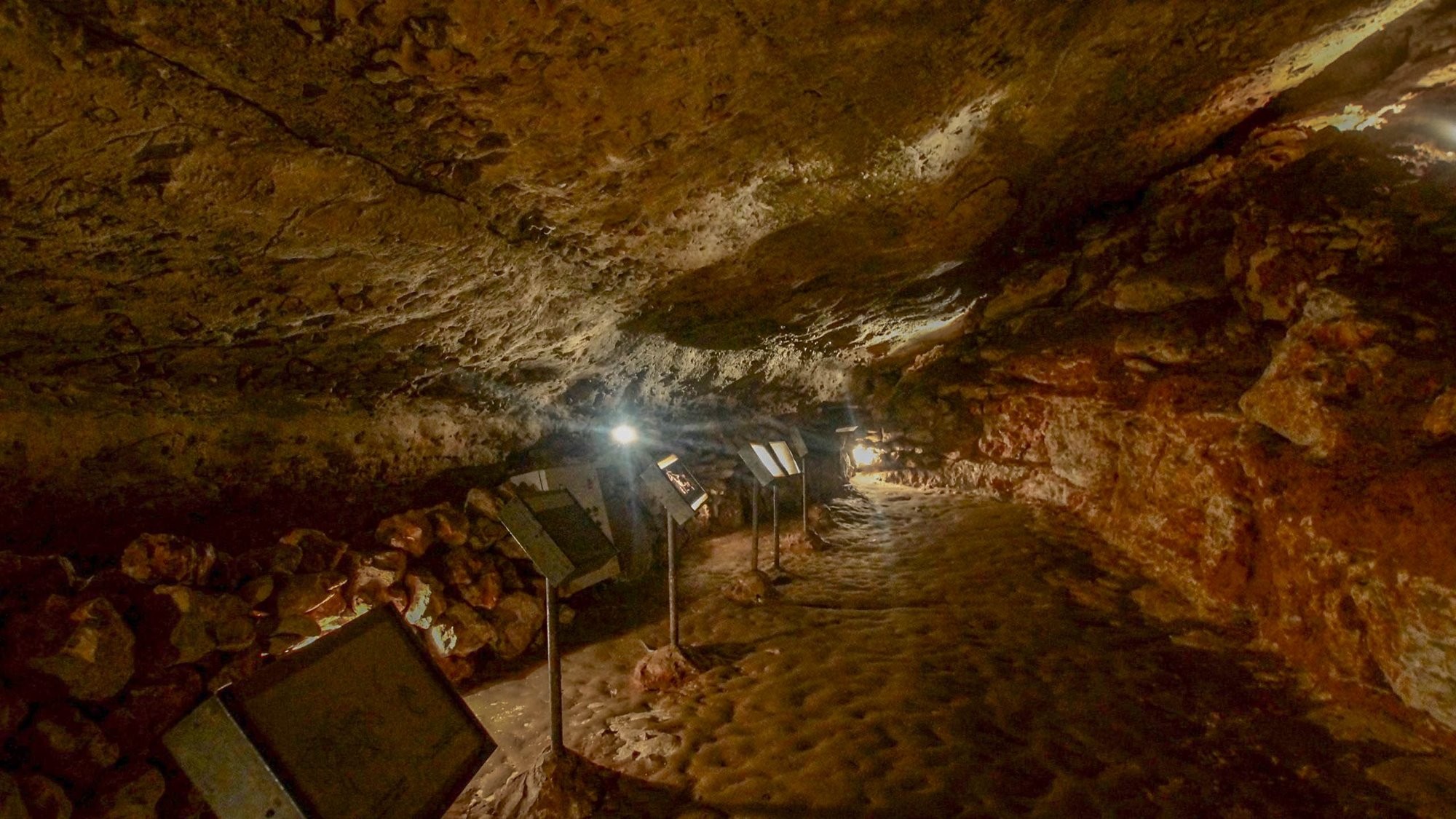
Located deep in the cave on a sloping, soft limestone wall are a number of engraved animals and geometric patterns, including horses, bisons, bears and deer. Before the cave was occupied by Palaeolithic communities, bears hibernated in the cave and scratched the walls with their claws. As at other caves, the artists here made use of some of these scratch marks. The original prehistoric finely incised depictions are difficult to see. To help visitors better experience this cave, line drawing of the images have been placed on light-boxes in front of the panel.

Font de Gaume

Font de Gaume is the only decorated cave in France that has polychrome paintings that has remained open to the public. Although access is very restricted, and why tickets are highly sort after. In a narrow gallery there are over 230 animal engraved and painted depictions. Not only are some of the painted bisons polychrome, they are also both engraved and painted. One of the many highlights of the site is a frieze of 5 bison, where the artist(s) made use of the contours of the rock face to give shape to the painted bison.

Lascaux II

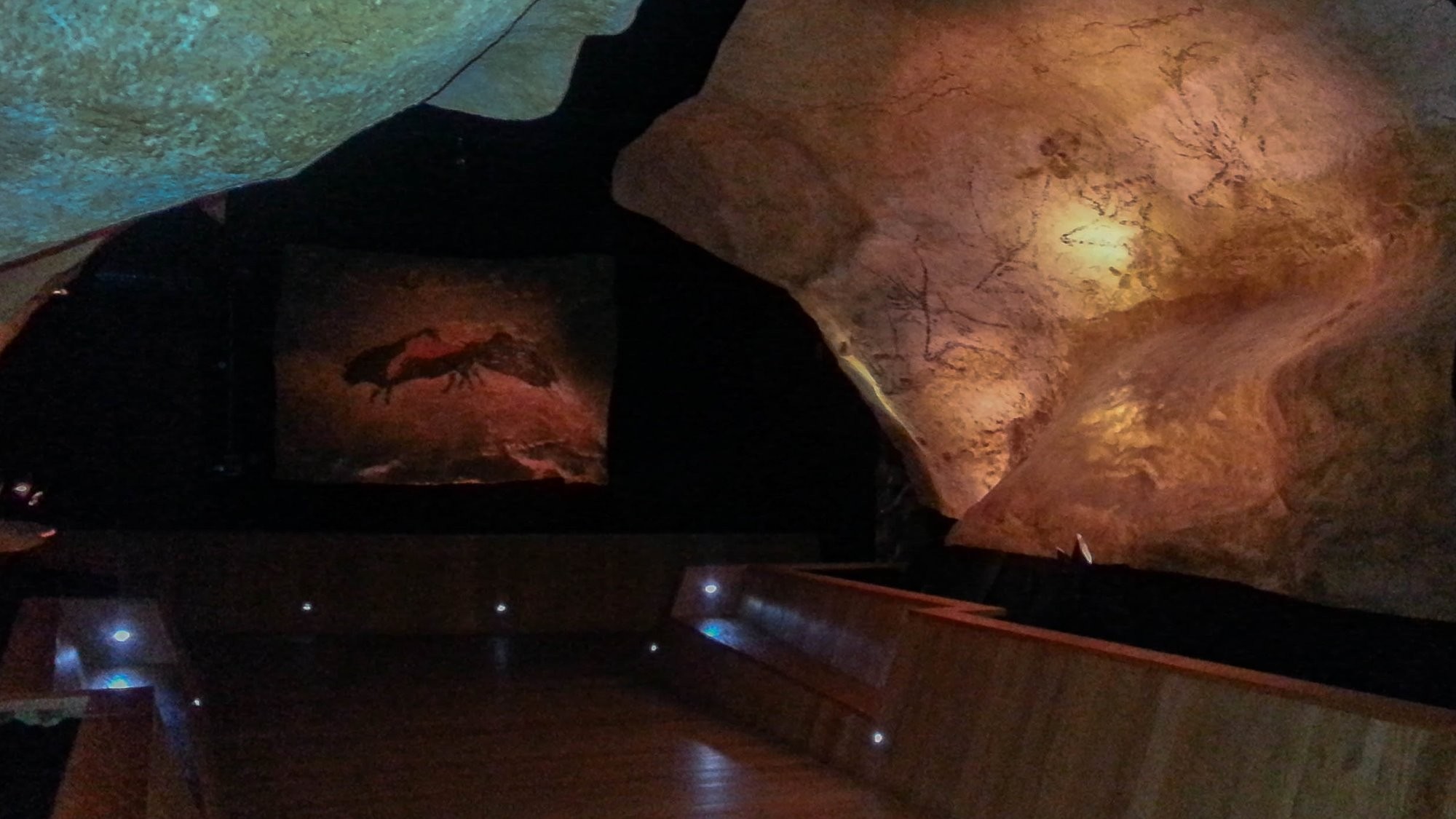
Lascaux II opened to the public in 1983, situated about 200 m from the entrance to Lascaux. About 90% of the original cave is reproduced in this the first replica. With the opening of Lascaux IV, Lascaux II has remained open, itself a historical monument. Visitors now get a very different experience to what was offered before, an what is on offer at Lascaux IV. Long gone are the groups of 25 being rushed through so that as many groups can make it as possible – that is now Lascaux IV. A guided tour starts above ground and takes you to the entrance of the famous cave, before heading into the replica where you are treated to seeing the Hall of Bulls by candle light. An experience for those who have a deeper interest in cave art and prehistory.

Lascaux IV

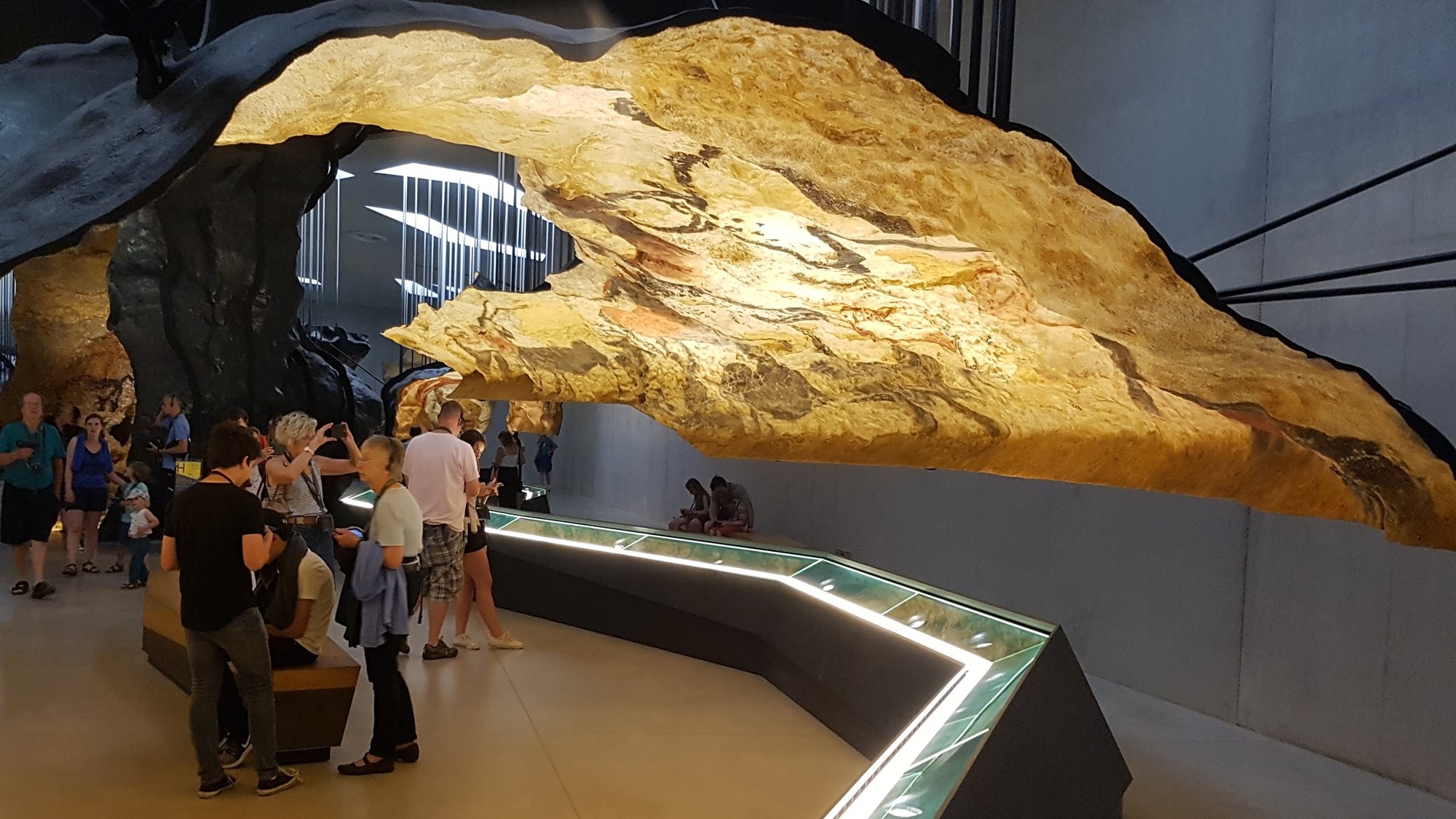
Lascaux IV opened to the public in December 2016. The first replica and the original cave was in effect becoming a victim of Lascaux II’s success. A new replica was installed in a start-of-the-art interpretation centre was constructed at the base of the hill in which the cave of Lascaux is found; just outside the town of the town of Montignac. Visitors get a guided tour through an almost complete reproduction of the cave and are then left to explore various interpretative galleries.  The experience is very high tech, this is not just a more complete and better replica. The emphasis is on imparting what we know about prehistoric art as opposed to building an amazing replica.

Les Combarelles

Les Combarelles, unlike most of the other caves open to the public in the Les Eyzies area, is notable for its many exquisitely engraved depictions along a windy, narrow passage of about 240 metres in length. Although the usual range of animals were engraved, such as horses, bison, mammoth, reindeer, bears, and lions, there are also a number of representations of humans. Depictions of humans in European cave art are relatively rare, but there are exceptional examples here: stylized outlines of female bodies.

Rouffignac

With over 8 km of underground tunnels, the cave of Rouffignac is the largest of the decorated caves in the Vézère Valley currently open to the public. The cave has both paintings and engravings, an these are located deep in the cave. Visitors are taken to a number of the panels on an electric train. Besides some extraordinary examples of prehistoric art, there are also ancient bear pits, as well as historical graffiti that indicates this cave has been known about in the Modern period for a few hundred years at least.

St Cirq - Grotte du Sorcier

In a small rock shelter in the limestone cliffs above the quaint and picturesque hamlet of Saint-Cirq is an extraordinary and rare incised engraving of a male human figure – which has for along time been called the ‘sorcerer’. Although there are not many other images in the cave this is still a good cave to visit. Not only for the rare depiction of the human figure and the human head, but also to see that not all decorated caves are as visually striking as some of the more well known caves in the Dordogne. The setting of the shelter makes the visit all the more worthwhile. The site stays open longer than others, so can be left to the end of the day.

Visiting the Prehistoric Caves in the Lot

There are some spectacular limestone caves in the Lot Department of the Midi-Pyrénées region. And a number of these are open to the public as geological attractions. At Gouffre de Padriac, for example, visitors take a small boat ride on an underground lake. Three of these caves with Ice Age art are open to the public – and are as interesting for their geology as much as the prehistoric cave paintings. They are Grotte des Merveilles, Cougnac and Pech Merle. The last two are amongst the most important caves in Palaeolithic Europe, and archaeological research carried out on the imagery in these two caves has done much to advance understanding of cave art in Europe.

These three caves in the Lot are not that far from the Vézére Valley, a couple of hours drive at the most. Taking in the best sites in both areas is easily achieved. The three Lot caves are not as close together as some of the best caves in the Dordogne are. With careful planning ahead, however, it is possible to see all three in one day if that is required.

Cougnac

A guided tour at Cougnac takes visitors to two separate caves, one that is of geological interest and the other of archaeological – with the paintings. The tour starts in the undecorated cave, which provides visitors with information about the natural processes that create the limestone caves in which Stone Age artists came along many millions of years later and made their paintings and engravings. The nearby decorated cave has some of the finest examples of paintings in France, with a few unique and rare depictions.

Pech Merle

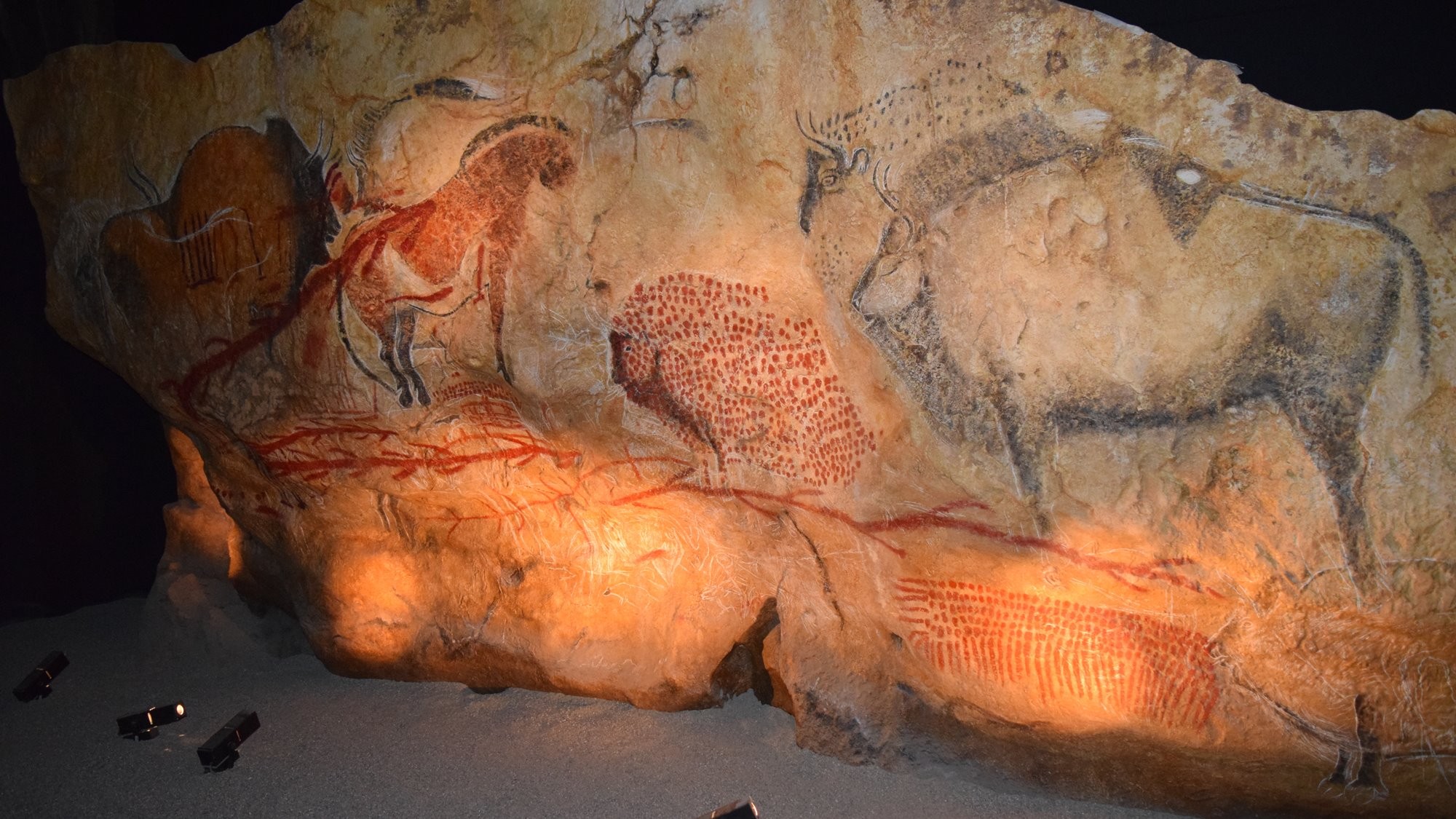
Since the discovery of the paintings in 1922 research on the paintings at Pech Merle, including the techniques used to make the images, what pigments the artists used, and also how some of the more complex panels developed over time, have been at the forefront of research on and debates about the meaning of Palaeolithic cave art in western Europe. Without doubt, this is one of the most striking decorated caves still open to the public in France – and should really not be missed. It is also the easiest cave to book tickets for.

Visiting the Prehistoric Caves in the Pyrénées

The majestic Pyrénées also has a significant concentration of decorated caves. Sadly, for conservation reasons, not as many of these are open to the public. But those that are accessible to the public are exceptional examples of prehistoric cave art in France, and should not be missed. These include Niaux, édeilhac and La Vache. Near to these caves is the Pyrénées Park of Prehistoric Art (Parc Pyrénéen de l’ Art Préhistorique), and here visitors will find excellent facsimiles of painted panels from some of the caves in the area that are not open to the public.

Niaux

Niaux has some of the finest examples of Palaeolithic art in Europe. The cave stretches back into the mountain for about 2 km, but the first painted panels are only 500 m from the entrance. Besides paintings on the wall, there are also engravings on the clay floors. Graffiti from the 17th century suggests that these visitors knew about the prehistoric art. A walk of nearly 40 minutes takes you through some spectacular speleological features to the gallery of black animals

Mas d'Azil Cave

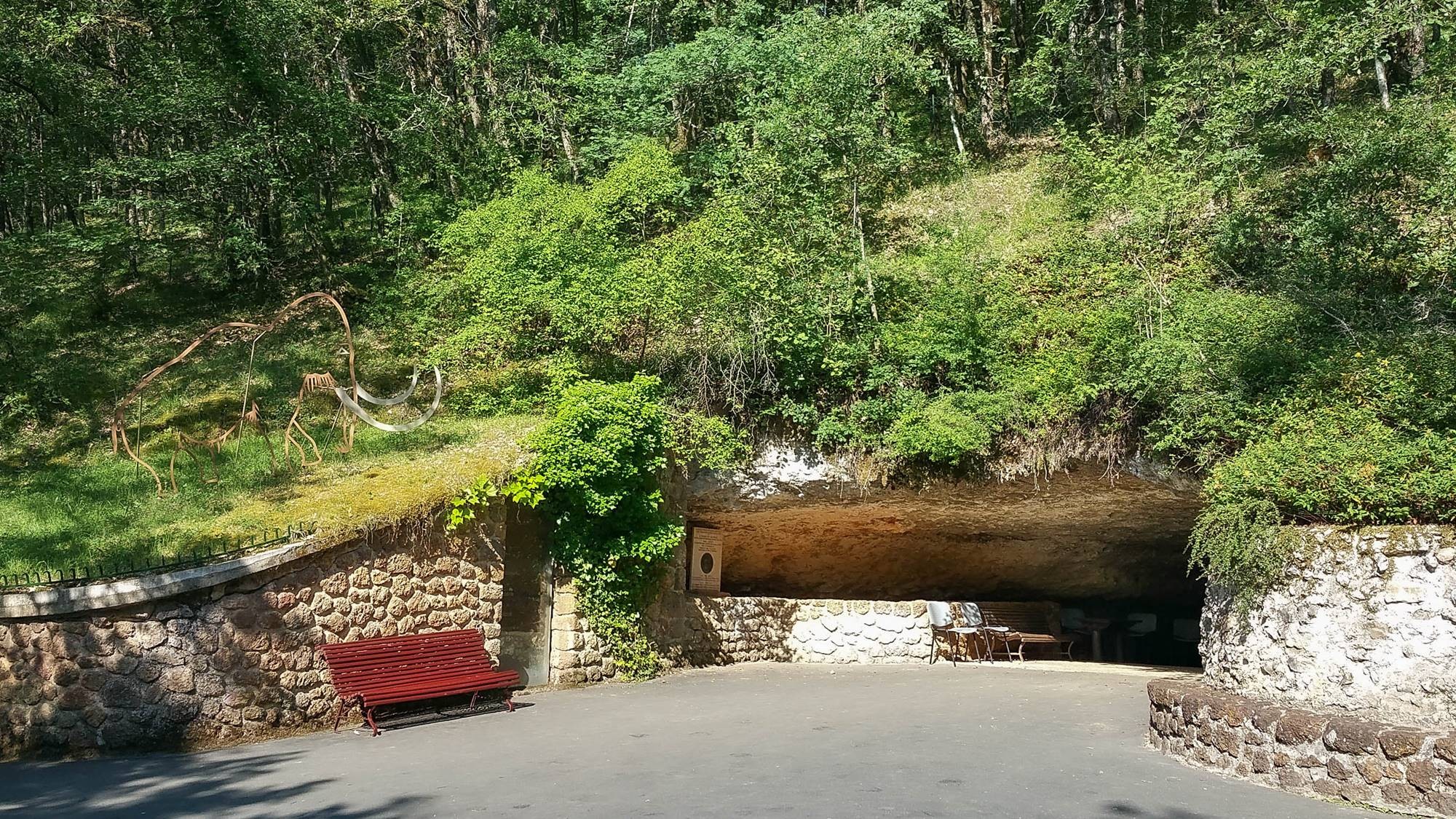
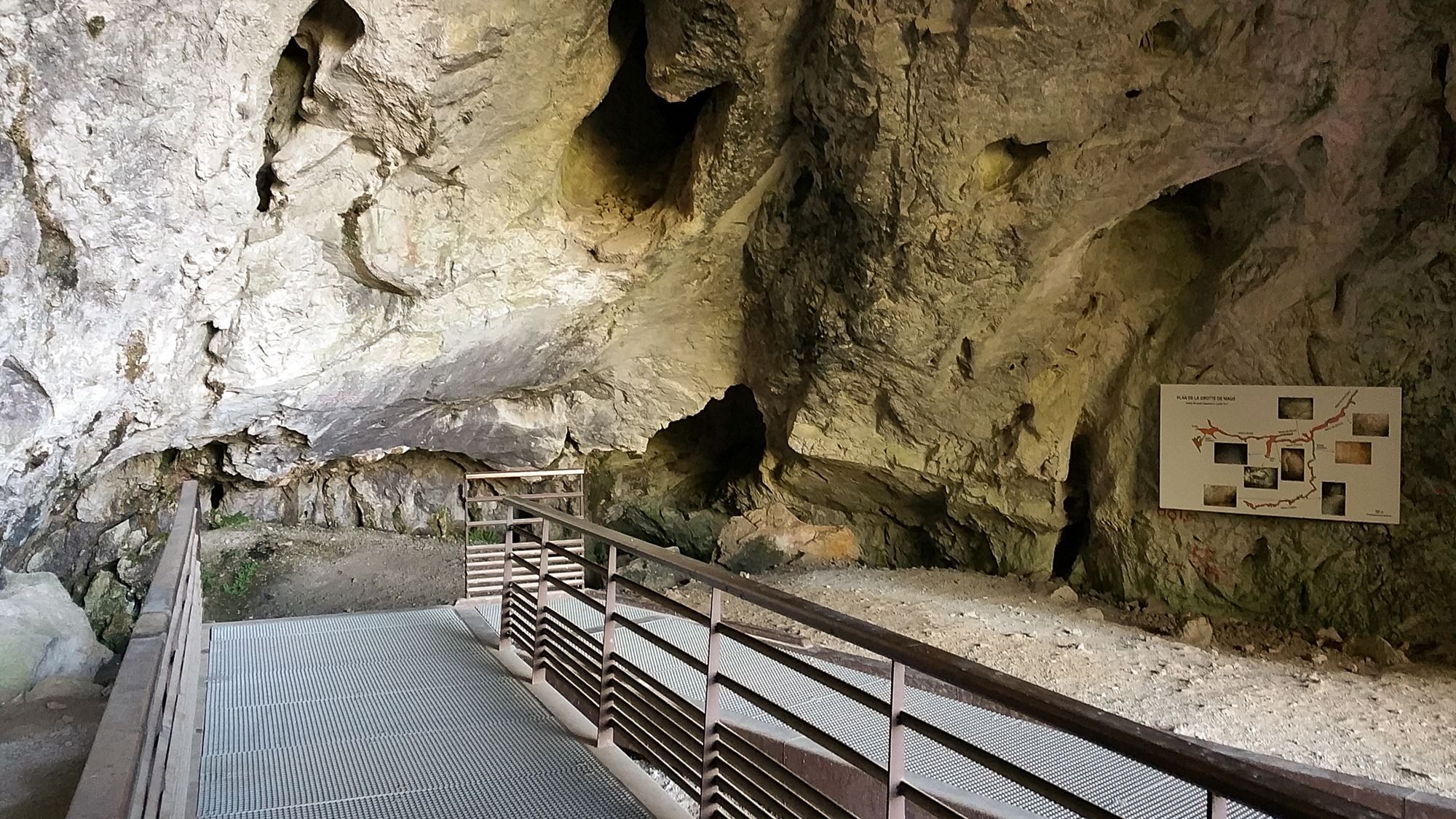
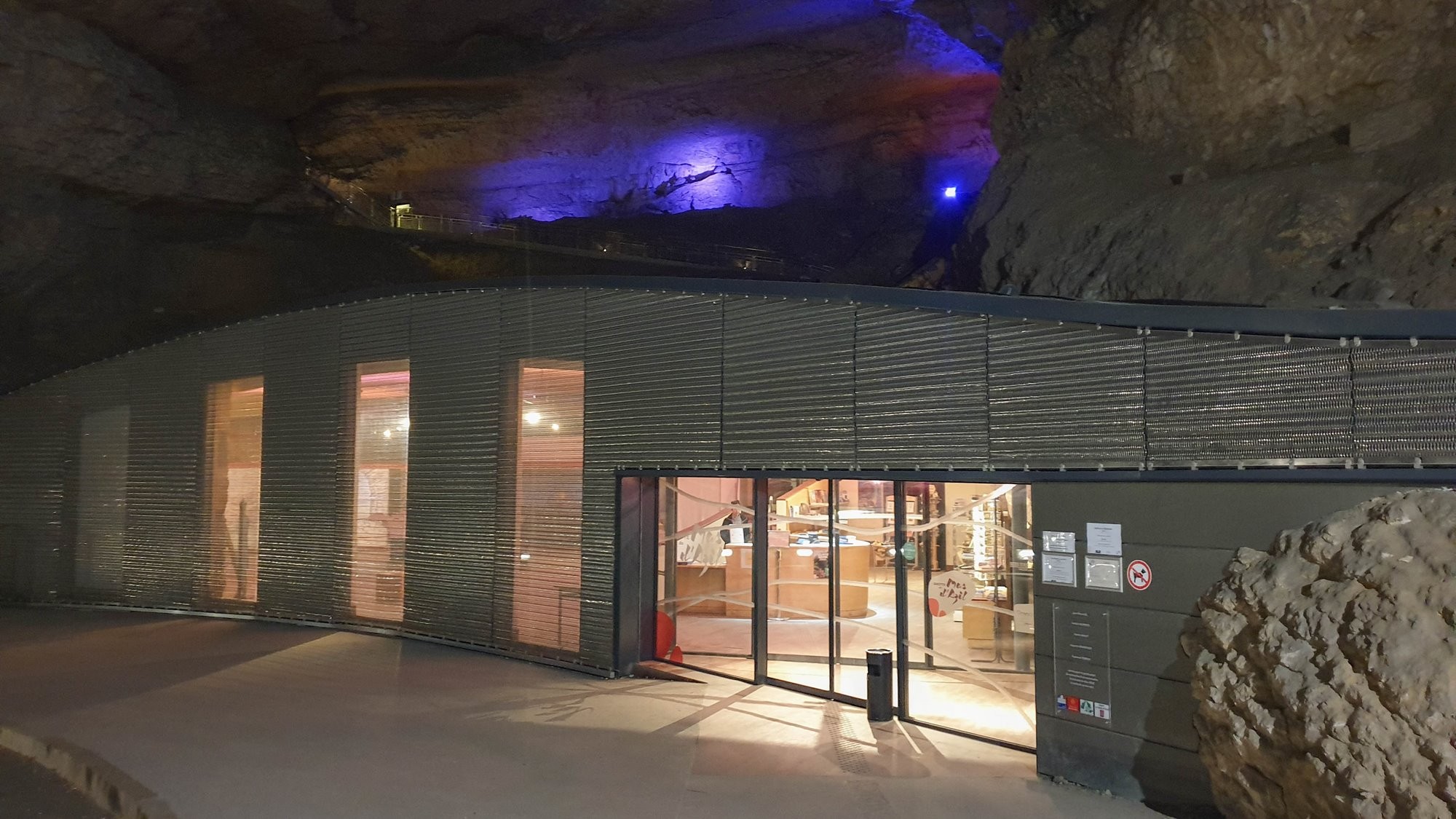
At 70 m high, with a river and a road running through the ‘tunnel’, the cave is itself well worth seeing. Visitors take a guided tour of the underground tunnels, learning about the prehistoric people who lived here. Unfortunately the cave art is in inaccessible parts of the cave, but there are reproductions of these images in the museum along with other artefacts recovered by archaeologists.

Bédeilhac

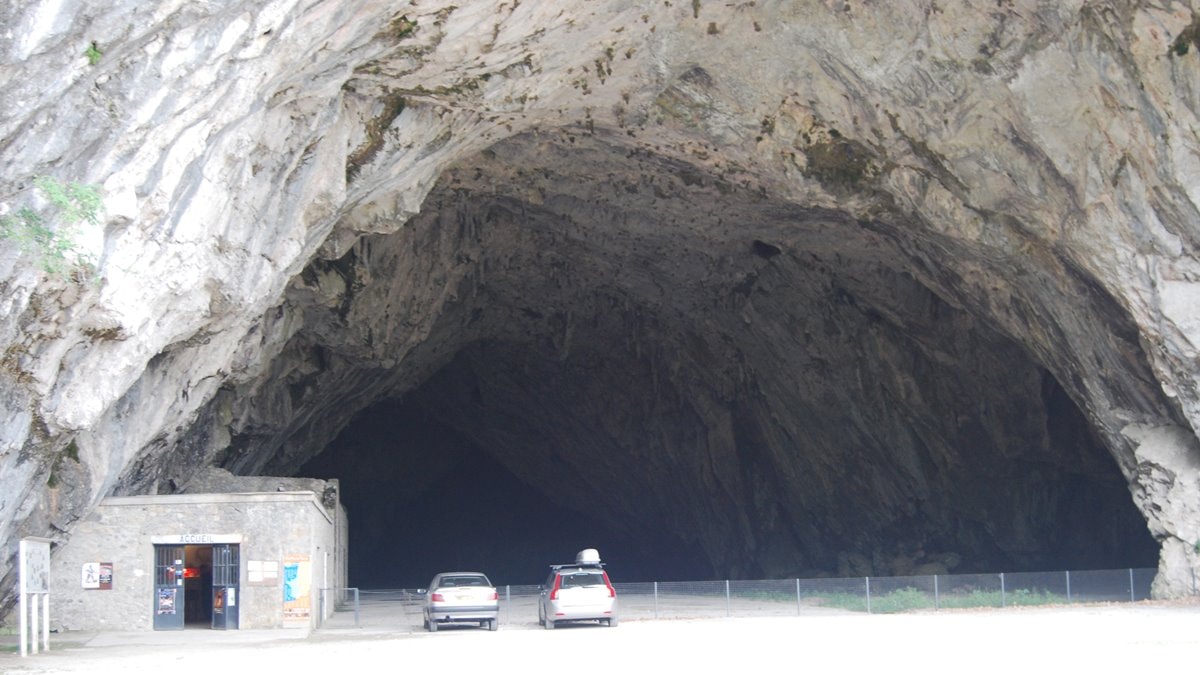
The cave of Bédeilhac has an enormous entrance, one that was attractive to the German army during World War II. They intended to use the cave as an airplane hangar. This activity destroyed a lot of archaeological deposits in the cave. Bédeilhac has a great diversity of parietal and portal art, including representations engraved and moulded in clay. Some of the side galleries are closed to the public, but the main gallery is accessible by a guided tour and has some interesting examples of Palaeolithic art.

Prehistoric Caves in Other Areas of France

Arcy-sur-Cure

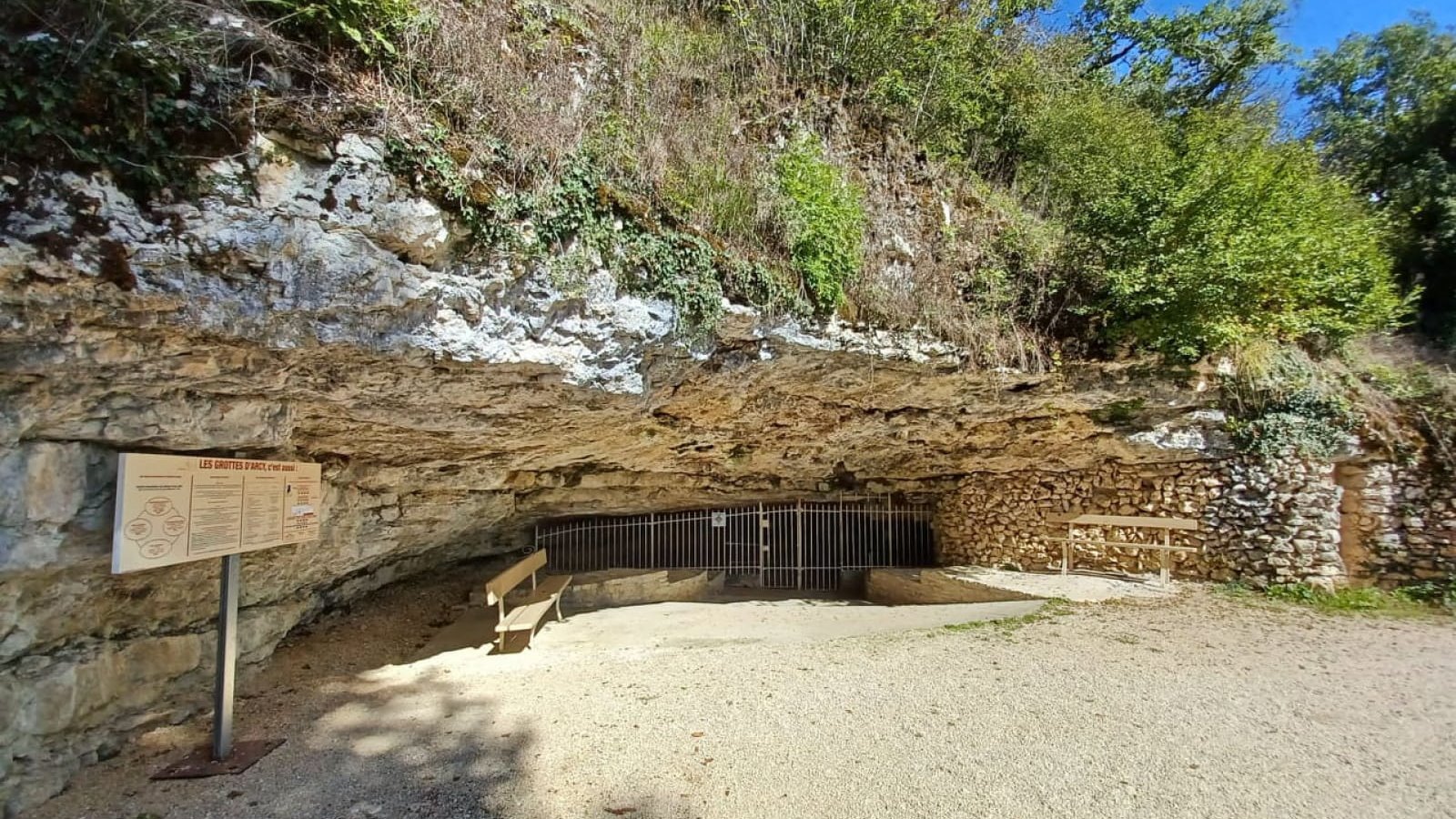
There are two decorated caves at Ary-sur-Cure, but only one – la Grande Grotte – is open to the public. This is a large cave that has been visited for many centuries and is particularly well known for the geological limestone features. The prehistoric paintings were found in 1990 during the cleaning of the walls. Most of the paintings are depictions of mammoths. The other cave has engraved images, but these are considered too difficult for visitors to get to without potential damage. These cave paintings are amongst the oldest painted images in Europe.

Chauvet 2

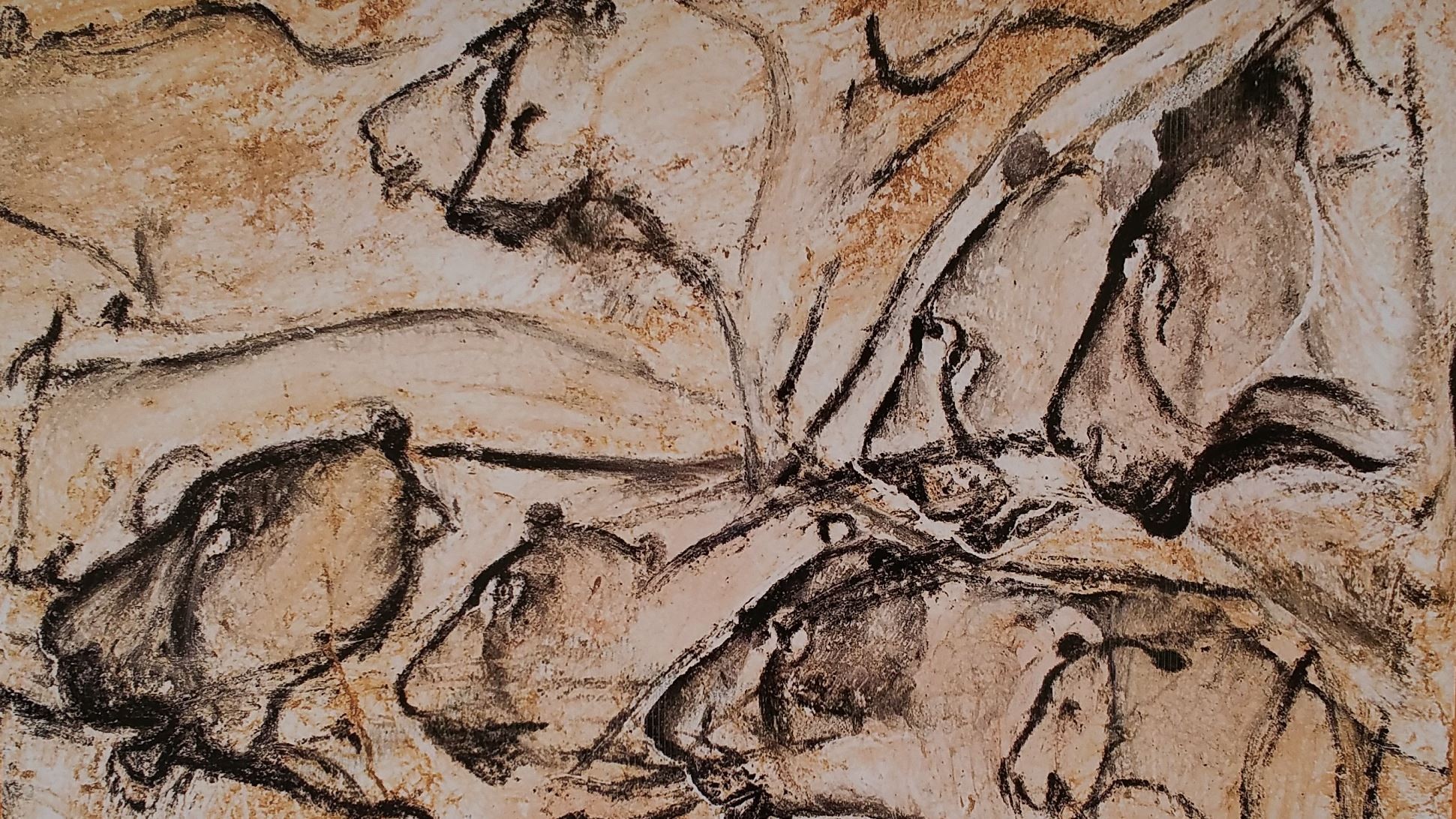
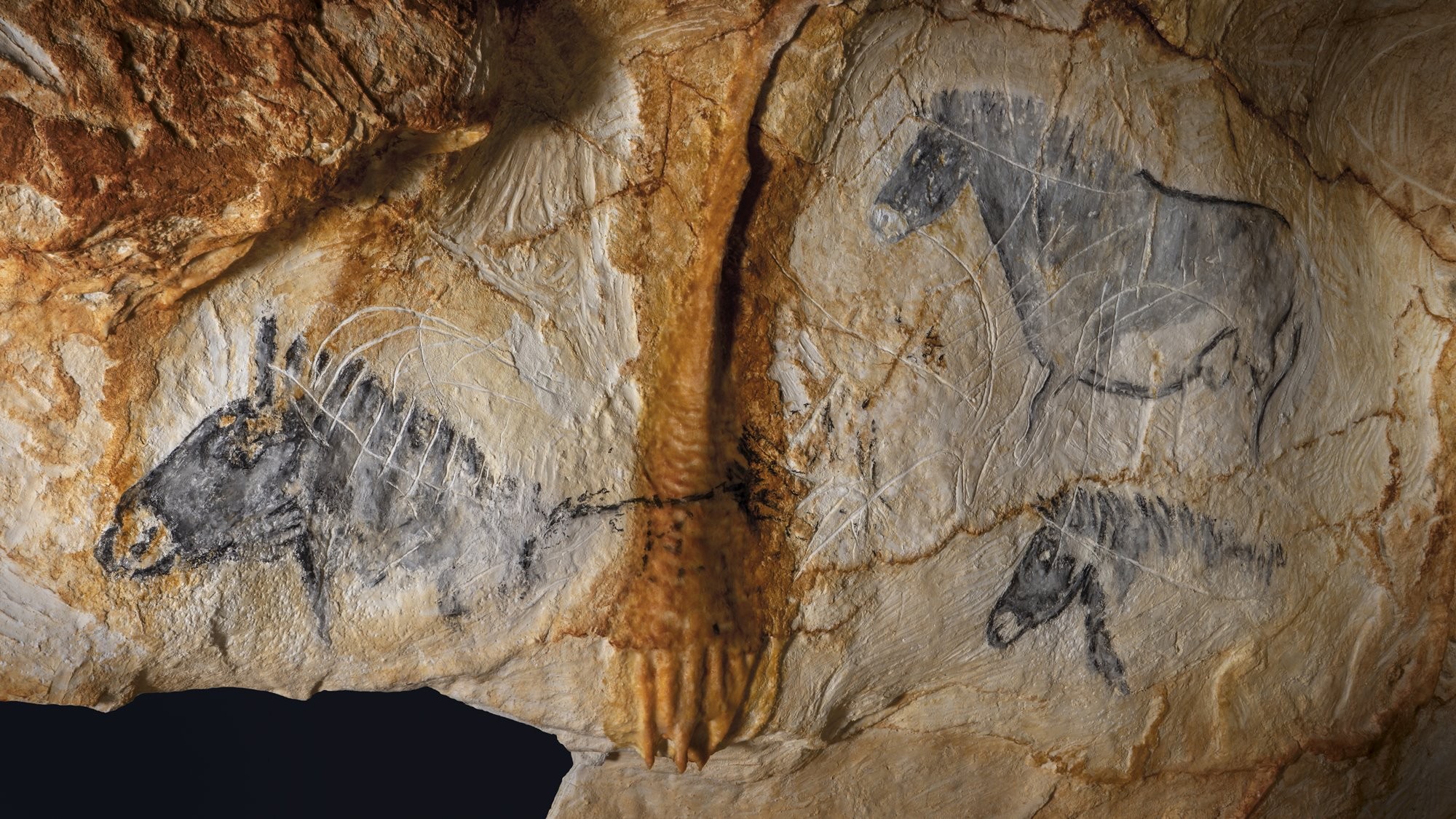
The discovery of Chauvet Cave in 1994 by three speleologists had a enormous impact on cave art research. Not only was the cave art as spectacular as many other decorated caves in France, but because the cave had been sealed since prehistory the archaeology of the cave’s inhabitants lay undisturbed on the floor. For conservation reasons the cave would never be open to the public, the cave has been faithfully reproduced – the art and the the archaeology – which opened to the public in April 2015. Besides the replica, an excellent state-of-the-art interpretation centre provides an excellent background to the art of this period of the Stone Age.

Cosquer Méditerranée

Opened in June 2022, Cosquer Méditerranée is home to the recently created replica of Grotte Cosquer. The submerged entrance to the cave of Cosquer was discovered in 1985 but the Ice Age art, both paintings and engravings, were only found by divers in 1991. The first human occupation of the cave was about 30,000 years ago, and the last around 19,000 years before the present. This new facility tells the story, history and archaeology of Cosquer Cave. After taking a lift to the replicated submerged entrance 37 below sea level, visitors board exploratory vehicles and take a guided tour, available in 6 different languages, to explore the replica of the ‘underwater cave’ on a journey that takes 35 minutes.

Roc au Sorciers

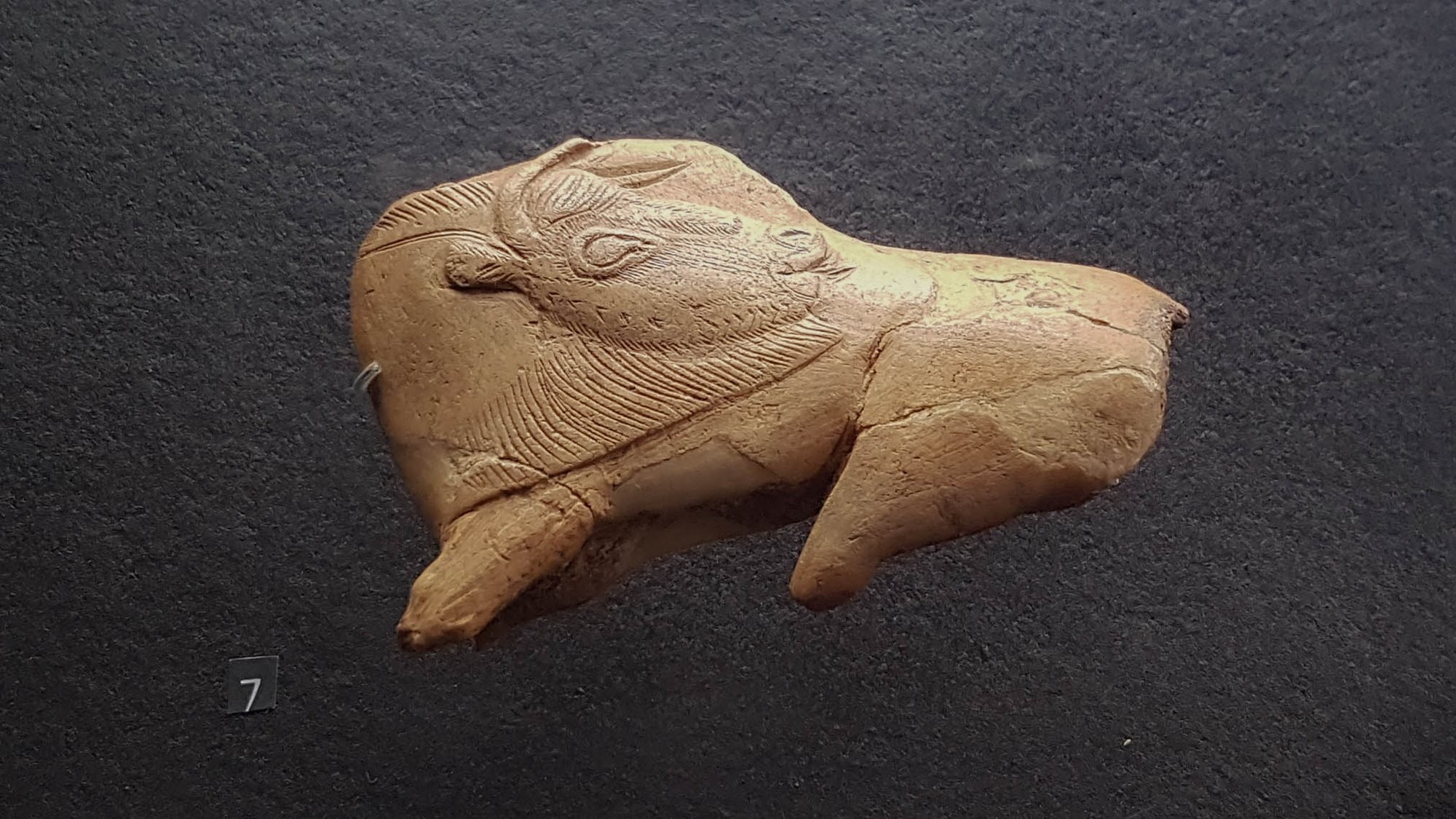
The highlight at Roc-aux-Sorciers near Angles-sur-l’Anglin is a panel of up to 18 m that has a number of exceptionally carved animal and human figures. Today the site is closed to the public. A facsimile of the panel can be seen in an innovative, multimedia interpretative centre in the village. Some of the original carved blocks of limestone that were removed from the cave can now be seen in the Musée Archéologie Nationale just outside of Paris. Traces of red and black pigment have been found on the carved figures, suggesting that the animal figures were coloured when they were made.

Abri de la Chaire-à-Calvin

Although not the clearest of bas relief representations in France, this is one of the few shelters with carved animal images that is on open view. The small panel, just under three metres long, is protected behind a secure fence. In all there are eight carved animals. Rock art scholars do not agree on their identification as their defining features are either absent or very badly preserved. The carvings may be representations of horses or bovids, but the images also bear a striking resemblance to carvings of ibex at other similar sites. The Angoulême Museum has artefacts from this site on display.

Grottes d'Isturitz & Oxocelhaya

Although the archaeology in Isturitz cave was badly damaged, the cave is one of the more important Palaeolithic sites in France. Not only do the archaeological deposits have evidence of some 70,000 years of near continuous occupation, extensive excavations recovered hundreds of beautifully carved artefacts. Isturitz and the adjacent Oxocelhaya cave also have images on the walls, and in Isturitz there are bas-relief sculptures on a large stalagmite near what would have been the prehistoric entrance to the cave.

Cave Art Related Museums & Theme Parks

Prehistoric Park, Tarascon-sur-Ariège

In the foothills of the Pyrénées mountains is the Parc de la Prehistoire, a museum and a 13 hectare Stone Age themed park. The park has a number of reconstructions to show the domestic settings pf Palaeolithic people. The museum provides a detailed account of what we know about Palaeolithic cave art, including a number of spectacular reproductions of cave art in nearby sites not open to the public- such as the replica of Marsoulas. A perfect compliment to visiting the nearby caves of Bédeilhac and Niaux.

National Museum of Prehistory, Les Eyzies

The National Museum of Prehistory is one of the finest museums that explore the early prehistory of humanity. Innovative displays offer an extensive introduction to the archaeology of the Vézére Valley. Highlights include a number of intricately carved bone and ivory artefacts, as well as reconstructions of extinct animals. The Stone Age archaeology of the Vézére Valley is placed in context of the Palaeolithic worldwide, to show how important this area has been in the history of archaeology.

Préhistosite de Brassempouy

About 3 km from the town of Brassempouy is the Grottes du Pape, an important Stone Age archaeological site. It is perhaps most well known for the small sculpture carved in mammoth ivory depicting a woman’s head. The so-called Venus of Brassempouy. The visitor centre in the town displays many artefacts from the cave, as well as a large collection of Venus figurine sculptures from around Europe. Guided tours to the cave are also offered, as are a number of other activities related to both archaeology and life in the Stone Age.

Aquitaine Museum, Bordeaux

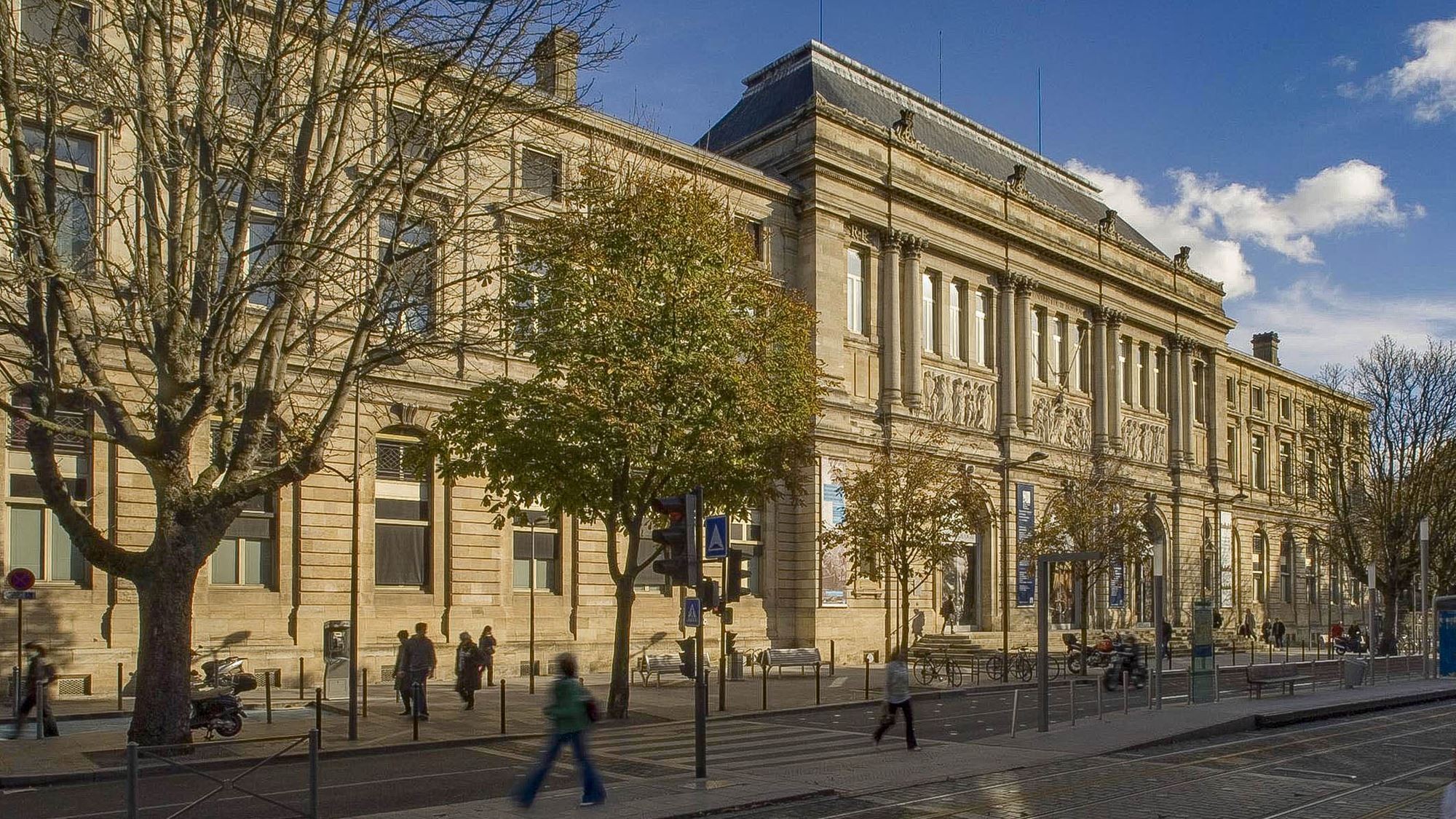
In 1963 a number of different museums in Bordeaux amalgamated to form Le Musée d’Aquitaine. With over 70,000 objects, this museum covers the history of the Bordeaux region from prehistory to the 20th century in over 5,000 square meters of displays. The range of objects included is quite amazing, from carved bone of Palaeolithic age to carved stone from the medieval period.

Musée de l'Homme

Established in 1937, the Museum of Man is an anthropological institution devoted to exploring questions about the emergence of the human species and where it is headed. Artefacts and objects on display range from human fossils and prehistoric art to wax anatomical models, in fact a vast array of representations of the human body throughout history. Its founder, Paul Rivet, was an ethnologist who specialised in the study of South America and later became involved in the French Resistance.

National Archaeology Museum

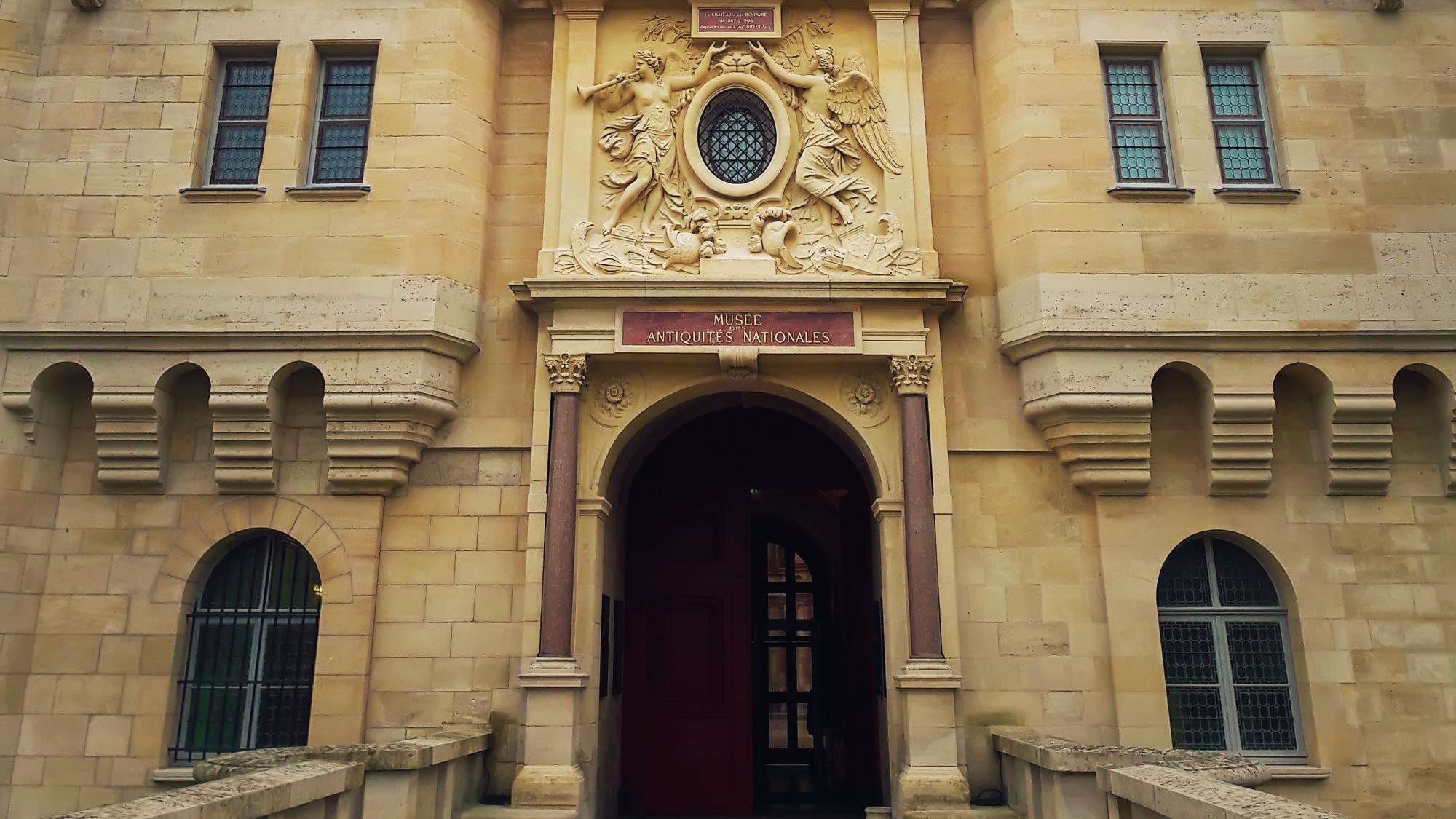
The Musée d’Archéologie Nationale is housed in what was once a royal palace – the Château de Saint-Germain-en-Laye, on the outskirts of Paris. In the 1860s Napoleon III had the castle restored to house the nation’s archaeology collections. Today, the museum has a vast collection of artefacts from all over the country, from the earliest Palaeolithic to the early Medieval. Highlights include cave art, Bronze Age gold and Roman mosaics.

Le Thot

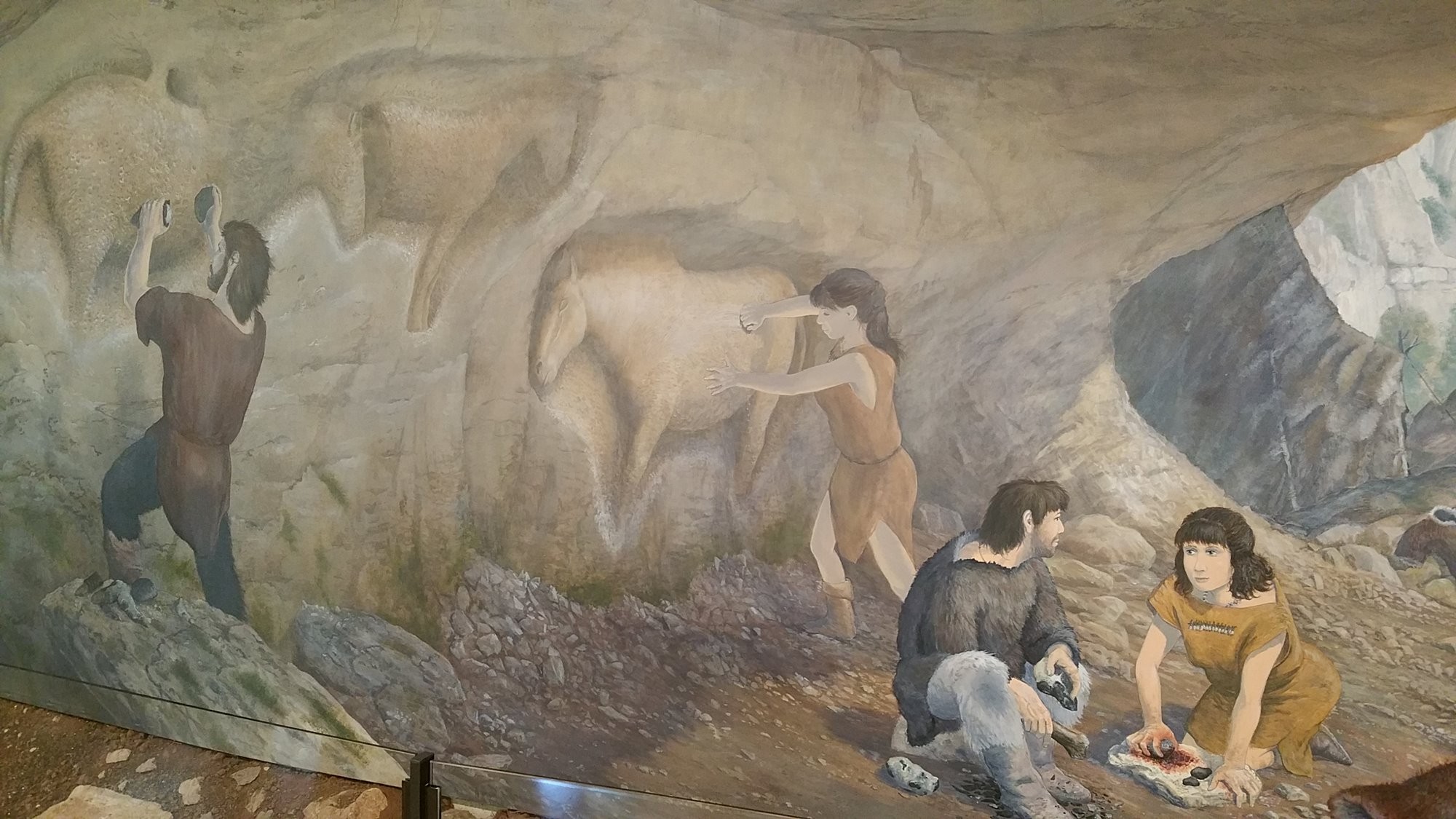
A theme park and museum with a number of reconstructions of prehistoric life in the Stone Age. Including dioramas that show how Palaeolithic people created their paintings and engravings. The vast grounds have many enclosures with living animals, the range of animals that the Palaeolithic artists depicted on their cave walls. In the museum are reproductions of five of the more spectacular panels in the cave of Lascaux not seen in the Lascaux II facsimile. For many obvious reasons this is a great place to take the children, who love the horses, bison and goats.

Pôle d'Interprétation de la Préhistoire

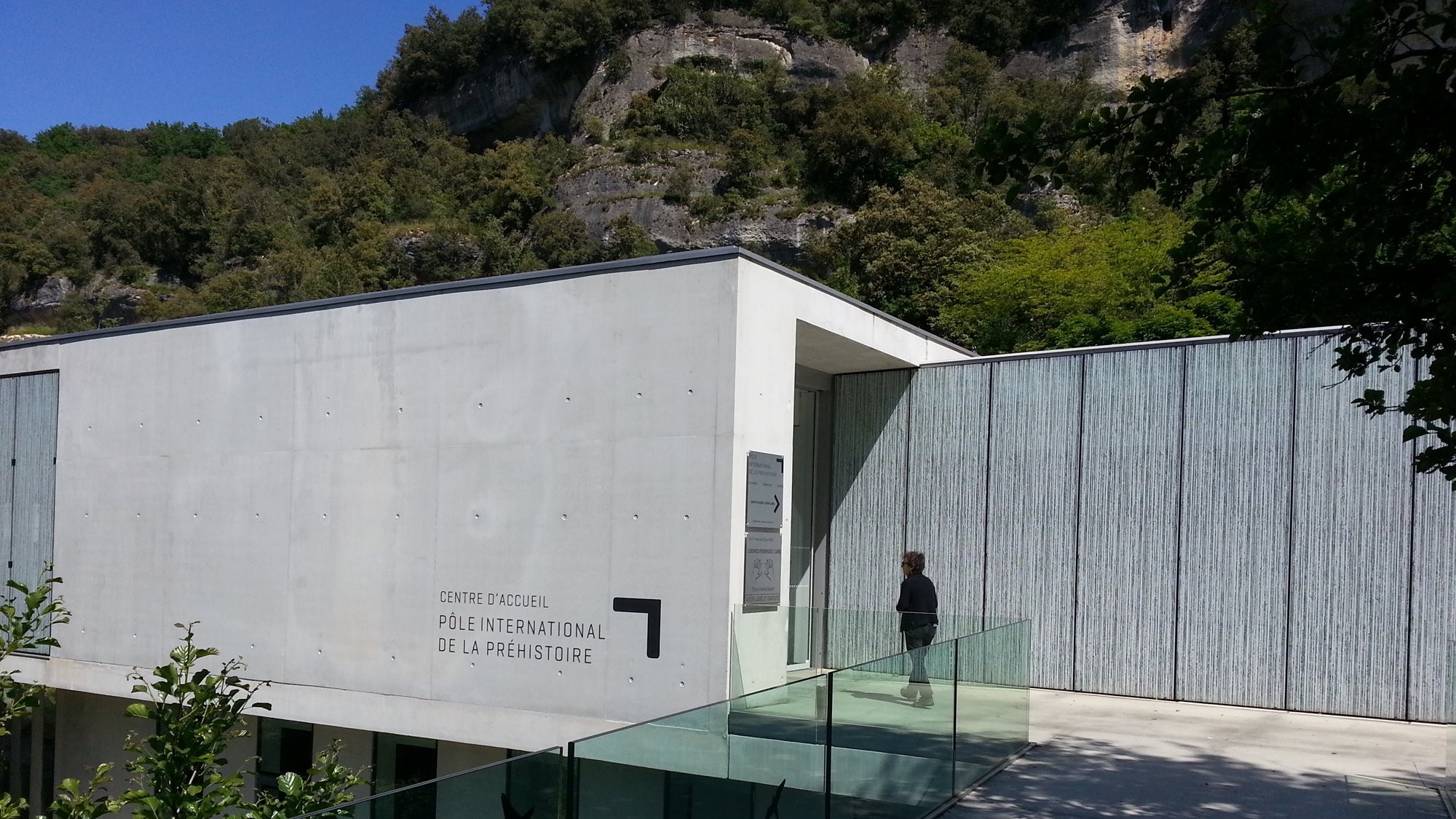
Inaugurated in July 2010, the centre provides visitors to the region with the necessary information required to visit the decorated caves and other archaeological sites and museums in the Vézère Valley. Besides being able to get your physical bearings, the centre also has a series of state of the art displays that introduces visitors to the archaeology of the Neanderthals and Cro-Magnons.

Cave Art Tours & Services for France

Small Group Cave Art Tour Vézère Valley

Les Eyzies, and the historic Hotel Cromagnon, is the base for exploring some of the jewels in the crown of Dordogne’s past. The focus of this 4-day guided tour is the Ice Age cave art, for which the region is well known worldwide. Besides visiting some of the finest decorated caves in the area, including the replica of Lascaux, also on the itinerary is an extraordinary Roman townhouse, a medieval Troglodyte settlement and an imposing castle associated with the 100 Year’s War between France and England. The small group guided tour is strictly limited to seven participants, with dates in May and September 2026, and May 2027.

Self-Guide Tour of Cave Art in France

This free itinerary for a 7-day self-guide tour includes some of the best Stone Age decorated caves in France. The tour begins in Marseille, with the first stop at the replica of the Cosquer Cave, ending in Les Eyzies. Other sites include Chauvet 2, Niaux, Pech Merle, Cougnac and Lascaux 2. The day-by-day itinerary includes information on where to stay, what hotels we recommend, as well as restaurant tips. The itinerary is easily customised, with guidance on adding more days and what else to include in your itinerary.

Private Tour to Cougnac Cave

Take a short drive with your group from Sarlat-la-Canéda to the cave of Cougnac. One of the finest decorated Ice Age caves still open to the public in France. At the site, you will tour both caves: the geological cave, with its live stalactites and stalagmites, and then the painted cave. Available in English and French, and in the morning or the afternoon. Sarlat is well served by the rail network, so easy to get to if you are staying elsewhere. This is a cave not to miss.

Tour to Lascaux IV from Sarlat

Take a short drive with a knowledgeable local driver from Sarlat-la-Canéda to the International Center of Parietal Art. Here you will find the newest replica of the famous cave of Lascaux. The tour begins with a guided audio tour of the replica, and then you are free to explore the interactive display of the cave, and other permanent and temporary exhibitions at your leisure. The trip lasts about 4 hours and is particularly suited for people staying in Sarlat without their own transport, who wish to visit Lascaux IV.

Lascaux IV & Rouffignac Guided Tour

Take a private tour of the scenic Vézère Valley with a knowledgeable local expert. This full-day tour includes two of the area’s main rock art attractions: the recently opened second replica of Lascaux and the original cave of Rouffignac. The tour also stops at the cave in Les Eyzies where the first Cro magnon were found. Although run by two different companies, the same, basic tour is possible from Bordeaux and Sarlat-la-Canéda.