




Join our community to use our interactive maps to plan your own itinerary and get tips and suggestions from those who have already visited.
Browse your current notes. You can have notes attached to your itinerary, a specific location in your list or a specific page.
Your current itinerary settings and options.
Interactive maps are a premium feature and only available for certain account types. Free during the beta phase …
Choose your active itinerary or create a new one. Depending on your account type, you are limited to only one list. Fill your list, move or drag and drop items between them.
As a premium member, you will have private and public lists, as well as default core lists (favorites, bookmarks, already been there, bucket list).
Collection of the content you enjoyed the most. Favorites are shared publicaly. Use Bookmarks for private storage.
Share your current itinerary:
With friends and family via email, to Twitter, to Facebook or pin it on Pinterest.
Decide, if the active itinerary is public or private.
Your bucketlist, go ahead and add some POIs!
Bookmark content, that you want to keep as reference and for easy access.
Quickly search through your locations / notes ….
Places you have already visited and like to share.
RECEIVER …
Lorem ipsum dolor sit amet, consectetur adipiscing elit. Ut elit tellus, luctus nec ullamcorper mattis, pulvinar dapibus leo.
Quickly change some main profile and account settings.
Quickly change some website settings.
Get in touch!
Latest news and changes ….

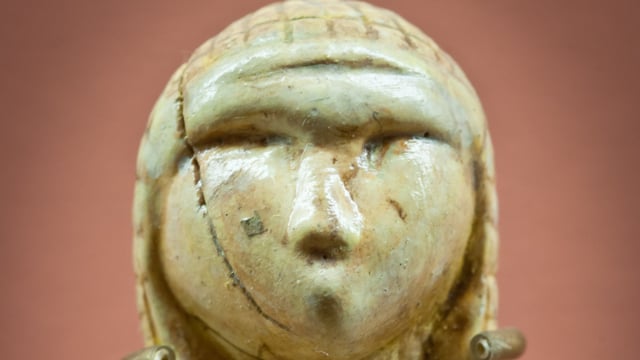
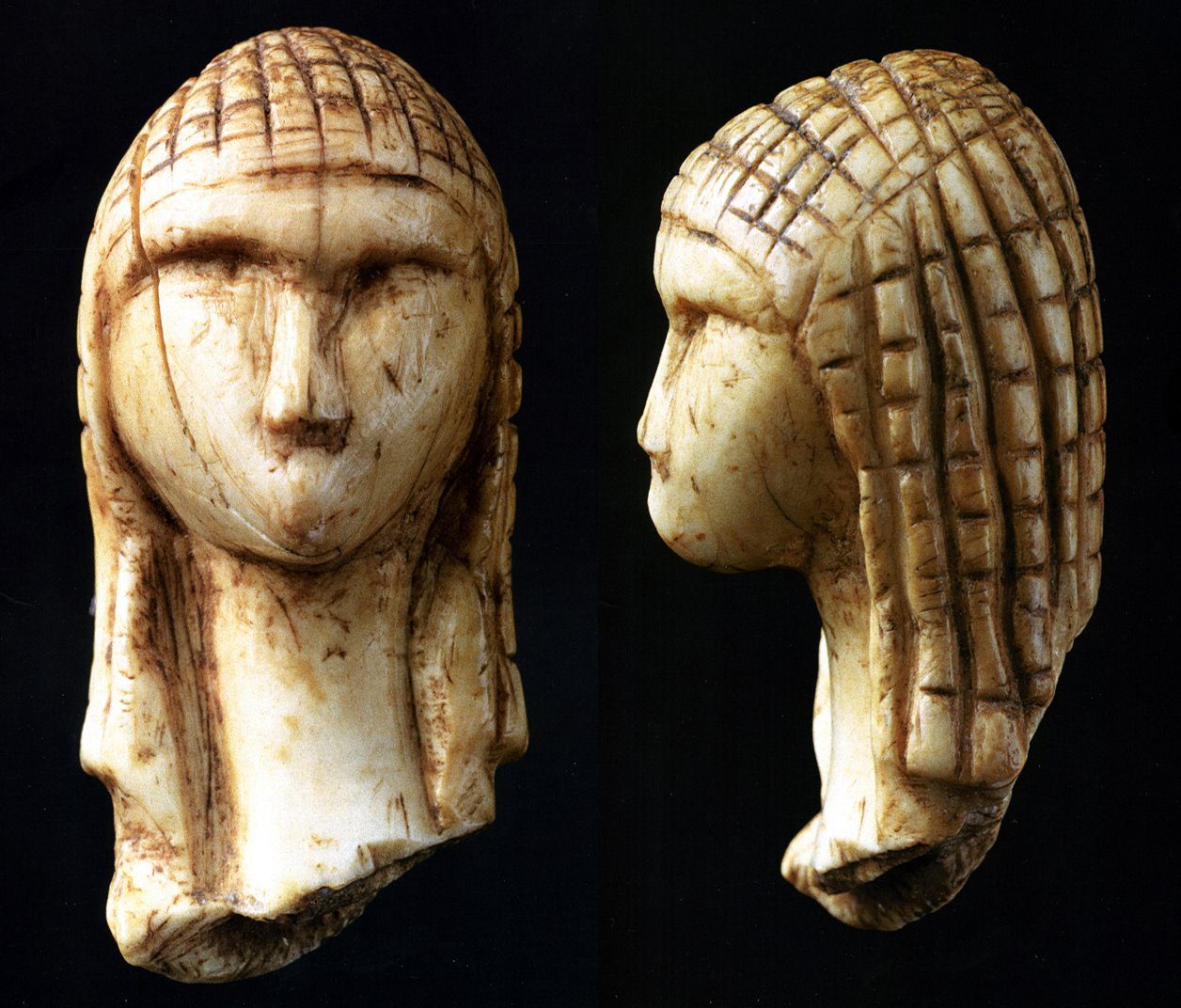
During the 1894 excavations in a cave known as la Grotte du Pape, just outside the southern French village of Brassempouy, archaeologists recovered what must surely be one of the most well known faces of the Upper Palaeolithic – the Venus of Brassempouy. Coming face-to-face with the original (I was not allowed to touch it, quite rightly) about 20 years ago, I can honestly say it sent a shiver down my spine. So I bought a replica of the figurine and it still sits on my desk today.
Carved in mammoth ivory, she is only 3.65 cm high, just over 2 cm deep and 1.9 cm wide. Her triangular face has a forehead, nose and brows that were carved in relief, but a mouth was not included. The vertical crack on the right side of her face is a result of the internal structure of the ivory. On her head is a checkerboard-like pattern formed by a series of shallow incisions at right angles to each other that have been variously interpreted as a representation of her hair, a wig, or even a hood.
Although discovered when excavation techniques were not as they are now, it is thought that the figurine is contemporary with many other female figurines of the European Upper Palaeolithic, dating to sometime between 26,000 and 24,000 BP. The Venus de Brassempouy, also called la Dame à la Capuche (lady with the Hood), was found along with eight other figurines.
The original of the Venus de Brassempouy is in the Musée des Antiquités Nationales, Saint-Germaine-en-Laye, just outside of Paris. Unfortunately, because it is made of ivory, which is susceptible to light, moisture and temperature, it is not on permanent display. An excellent cast of the object can be seen along with many other Upper Palaeolithic figurines.
The village of Brassempouy in the south of France (Landes Department) also has an excellent museum that is well worth visiting, La Maison de la Dame à Brassempouy. The museum is devoted to the Palaeolithic archaeology of the region, but has a wonderful set of casts of the nine figurines recovered from the deposits in la Grotte du Pape as well as those of other figurines found elsewhere around Europe.
